
Although slavery has long been illegal throughout the world, experts believe there are now more people living in slavery than at any other time in history. That is because their estimates include not only people who are slaves in the traditional sense, but also human trafficking victims, indentured laborers, children forced to work or marry early as well as domestic workers toiling in abusive conditions without pay.
According to the “2016 Global Slavery Index”, produced by the Walk Free Foundation, a human rights NGO, Indonesia has one of the largest number of people living in slavery of any country in the world, ranking #10 out of the 161 countries surveyed. The report estimates that there are 736,100 slaves living in Indonesia, accounting for .286% of the population.
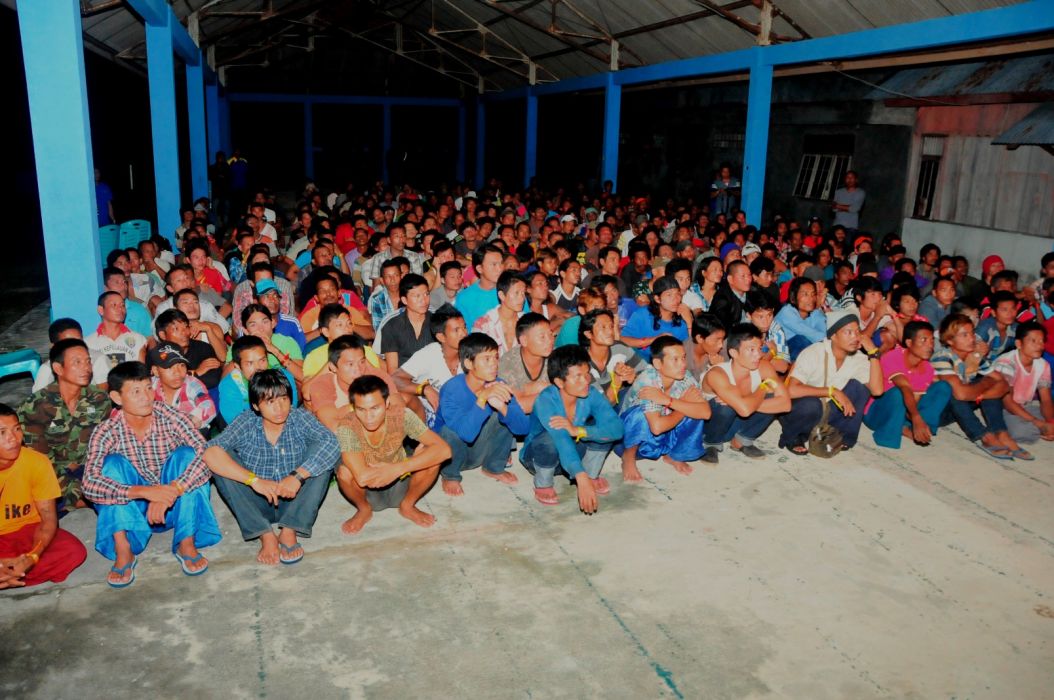
One segment of those living in slavery in Indonesia are people who have been trafficked into the country to work as fisherman under horrific conditions around the archipelago’s outermost islands, as was revealed by a Pulitzer Prize winning report by the Associated Press published last year.
The report did note that the Indonesian Government had taken important steps towards stamping out slavery such as their efforts to rescue and repatriate two thousand of those trafficked fishermen, actions which the report called “commendable”.
It also noted that the Indonesian Government has placed a ban on domestic workers applying to several countries within the Middle East in an attempt to prevent them from being forced into abusive work conditions, but the authors note “there is a risk this will increase the potential for exploitation as Indonesians seek unregistered work and travel through informal channels.” Overall, the report gave Indonesia a “B” for its anti-slavery efforts.
According to the report, the other nine countries with the largest estimated number of people in modern slavery includes India, China, Pakistan, Bangladesh, Uzbekistan, North Korea, Russia, Nigeria and the Democratic Republic of the Congo. Along with Indonesia, these countries account for 68 percent of people living in modern slavery.
To learn more about Global Slavery Index and its methodology, you can read the full report right here.