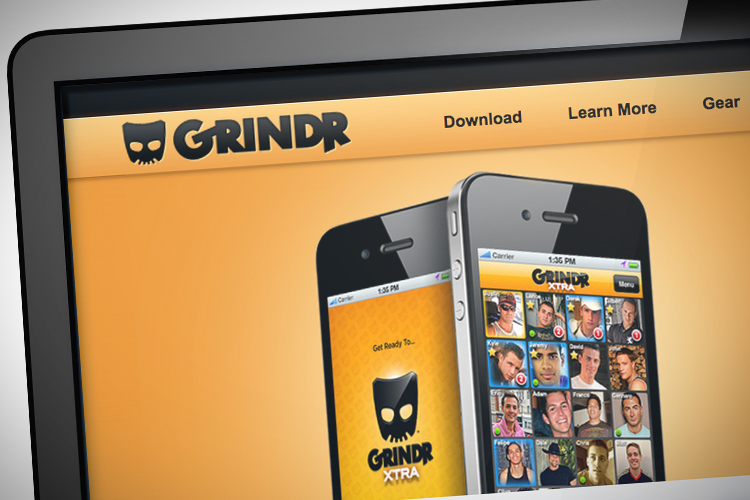

Two weeks ago, news about police uncovering a prostitution ring allegedly involving underage boys reignited the LGBT panic that had gripped Indonesia earlier in year (with many Indonesian media outlets helping to fuel the fearmongering by erroneously making a connection between pedophilia and homosexuality). When police announced that the pimp in the case had used gay social networking apps such as Grindr to solicit customers, the nation’s Minister of Communication and Information, Rudiantara, was quick to say he was ready to block the “gay” apps should the government decide to do so.
Rudiantara said he would wait for an inter-agency meeting to discuss blocking the apps before taking action, and that meeting was held yesterday. Although an official announcement from the IT Ministry is coming later today, statements made after the meeting already make the government’s stance clear.
The acting head of public relations for the IT Ministry, Noor Iza, said that after discussion that the government has decided that all applications that contain or promote LGBT content would be recommended to be blocked from Indonesia.
“So now we move to dealing with the technical side of their closure, of application from anywhere. The IT Ministry is going to cooperate with Criminal Police Headquarters to identify which applications can feasibly be blocked, and the panel will give feedback as well. Furthermore, we will later document and convey to the platform provider why they are being blocked from Indonesia,” Noor told Detik today.
Noor’s statements also suggest that the block could affect applications beyond the 18 which police had identified as being used by the ringleader in the prostitution case, opening the door to the government blocking a wide-range of LGBT-related content.
The ministry spokesperson also indicated that the government would have to investigate the various apps by registering accounts on them and documenting instances in which they contain LGBT-related content, evidence which could then be used to justify the government’s block.
This is hardly the first time the Indonesian government has attempted to erase LGBT content from the Internet. Social networking app LINE removed LGBT-positive stickers from its online store in Indonesia earlier this year after public pressure. The government also attempted to get Whatsapp and Facebook to remove LGBT-related emoticons. The government’s Internet censorship filters also block numerous websites containing LGBT content, including sexual health and educational resources written from an LGBT-positive perspective.