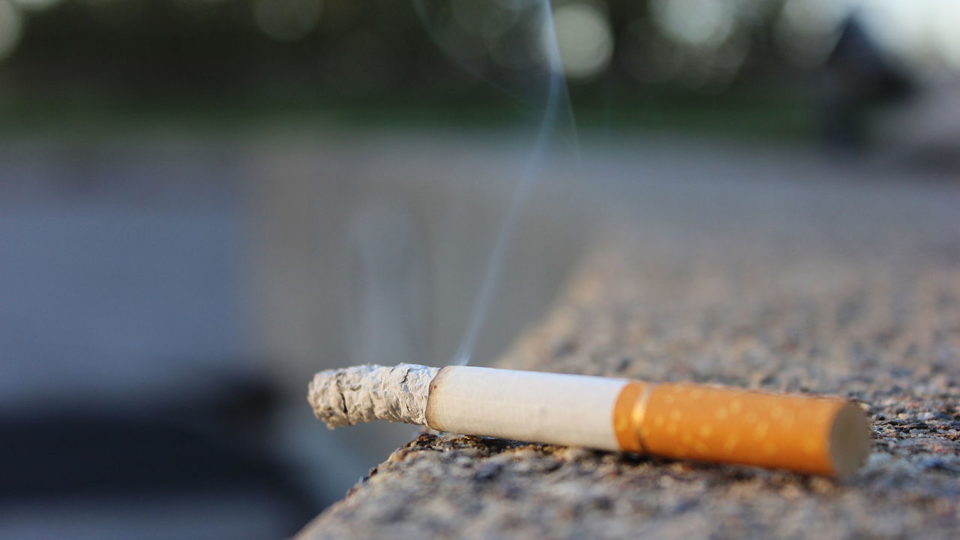

Indonesia is notorious for its high percentage of smokers (7 out of 10 Indonesian men smoke, by one estimate) which causes over 200,000 tobacco-related deaths per year and a huge burden on the country’s healthcare system. Not coincidentally, the country’s health and social security agency (BPJS), which administers Indonesia’s national health insurance program, is running at a massive debt, estimated to be IDR9 trillion (US$664 million) per year.
Indonesia’s finance minister, Sri Mulyani, thinks one answer to solving the enormous deficit may lie with the country’s massive smoking problem. She has discussed with other government officials, including the minister of health, and is now pushing the idea of allocating revenue from the country’s tobacco excise tax to cover BPJS’s shortfall in conjunction with additional funding from each of the country’s regions.
“Every region that has members (in BPJS), they should also participate and it can be done through the DBH (profit sharing) excise tax or cigarette taxes themselves,” Sri Mulyani said at State Palane in Bogor yesterday as quoted by Tribun.
Sri Muliyani has been discussing the idea since last month, when she explained the logic of the idea.
“Many people are sick due to smoking, so it’s logical that it should become one of the solutions, meaning using state revenue coming from tobacco products,” the finance minister said on November 6.
About how much money could tobacco taxes contribute to shoring up BPJS’s deficit? The director general of fiscal balancing at the finance ministry, Boediarso Teguh Widodo, said that the total government revenue from tobacco was about IDR14 trillion and of that about IDR5 trillion could be earmarked for BPJS.
That would of course not cover the entire IDR9 trillion deficit but would go a long way towards doing so. Sri Mulyani said regional governments might need to contribute to make up the rest of the shortfall from their own healthcare budgets or other sources.
While Sri Mulyani’s point about it being logical to use tobacco taxes to fund BPJS since smoking causes illness makes a certain sense, some politicians see it as a contradiction.
“I disagree with the government’s planned policy in their effort to curb the deficit as cigarettes are harmful to health,” said Saleh Partaonan Daulay, chairman of Parliament’s Commission IX on Nov 23 as quoted by GRES News.
In some ways it does seem problematic for the government to be dependent on tobacco revenue to fund government health services that are strained due to the high percentage of tobacco addicts in the country.
In the past, Sri Mulyani has expressed reluctance to increase tobacco excise rates past a level that would negatively impact demand and thus hurt the tobacco industry’s future growth (and thus decrease future potential government tax revenue). But if the money is already going towards the healthcare system, then a large, demand-cutting tobacco tax increase makes sense. The increased revenue will prop up BPJS in the short term, and in the long term the decrease in smoking rates will lessen the cost of tobacco-related health care treatments in the future.