
Indonesia is one of the largest producers of plastic waste in the world (second only to China in terms of plastic waste dumped in the ocean) and goes through a staggering 9.86 billion plastic bags per year. Regional governments such as those in Bali and Bogor have imposed their own plastic bag bans, but, at the moment, there is no national law restricting their production or use.
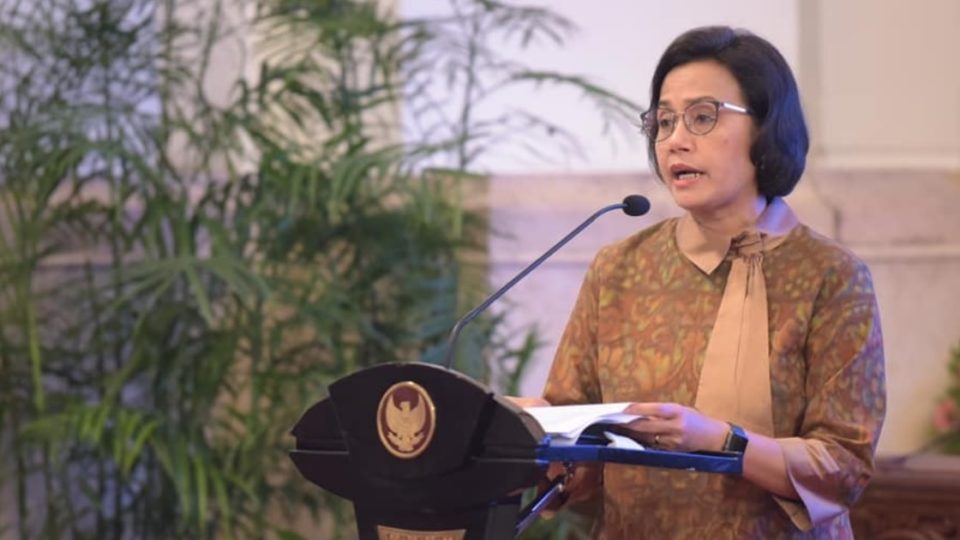
Hopefully, Finance Minister Sri Mulyani will be able to change that with her recent proposal to impose a IDR30,000 (US$2.10) per kilogram excise tax on most plastic bags, a figure she said would equal about IDR200 per bag, which would lead retailers to charge consumers about IDR450-500 per bag.
Sri Mulyani said the excise tariff would only apply to plastic bags that were not environmentally friendly, aka derived 100% from petroleum.
“For plastic bags that are more environmentally friendly, we will propose lower taxes,” she explained yesterday while making the proposal to Parliament’s Commission XI, which oversees the country’s financial matters, as quoted by Detik.
In terms of its potential economic impact, the former World Bank managing director said that the excise tax would cause only a very small .045% increase in inflation.
In making the environmental case for the excise tax to the commission, Sri Mulyani noted that researchers estimate that 62% of all of the plastic waste found in landfills in Indonesia is made up of plastic bags.
After her meeting with the commission, the finance minister said she was optimistic the excise tax could be implemented this year, but it would likely take further discussion.
The Indonesian government has acknowledged the country’s enormous plastic waste problem, with the current administration pledging in 2017 to reduce plastic waste by 70% by 2025.