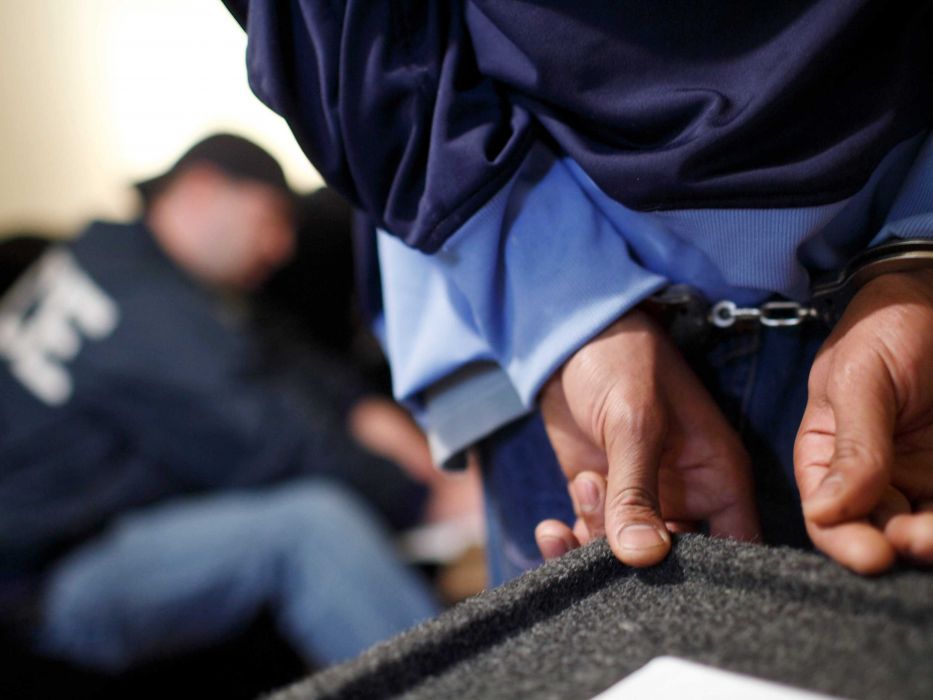

While Indonesian government officials like to issue dire warning about the country’s “drug emergency” that is killing 40-50 people per day (a figure based on flawed statistics), it is hard to believe that law enforcement is tackling the narcotics problem in the right way when so many Indonesian police officers have been found consuming drugs and facilitating their trade.
That is the argument of Indonesia Police Watch (IPW), a watchdog NGO that monitors the actions of the Indonesian police force. IPW says that the police need to show they are much more serious in dealing with drug cases involving their own officers.
According to IPW’s data, about 200 Indonesian police officers per year on average have been found to be either taking drugs and/or involved in the drug trade – a number which is based on publicly released data and thus is likely only the tip of the iceberg.
In a statement released today, IPW Chairman Neta S. Pane noted that just last week three Indonesian police officers were found to be taking drugs, including one Tangerang officer who was found with numerous narcotics at Milles nightclub in Jakarta, leading to the club’s closure.
Neta said that the way police officers are handled in such cases is not transparent and that officers usually receive far less punishment than ordinary people who do drugs, which is an injustice.
“Another effect is that members of the police involved in drugs feel protected by their institution, so there is no deterrent effect,” Neta said in the statement as quoted by Tempo.
Neta not only called on the police to enact much tougher punishments against their own members, he said the death penalty should be applied more liberally to police drug offenders in order to create a real deterrent effect.
“It is time for members of the police using or involved with drugs to be sentenced to death,” Neta said in the statement.
IPW also called on the police to be more transparent with the public regarding information such as how many officers have been caught doing drugs, dealing drugs and how they were punished – all information that is difficult to learn except in the most highly publicized cases.