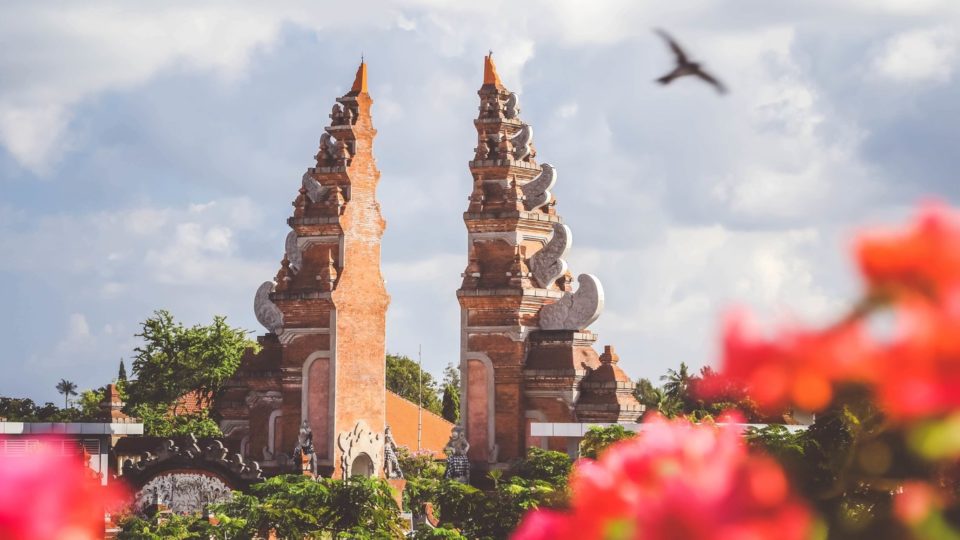

It looks like the problem of over-tourism in Bali is becoming even more pronounced by the day, with the latest highlight coming from travel publication Fodor’s, which has placed Bali as one of 13 places across the globe that travelers might want to reconsider before actually visiting in 2020.
“Every year, we use the No List to highlight issues that we’re thinking about before, during, and long after we travel,” Jeremy Tarr, Editorial Director of Fodors.com, said.
The 2020 edition of Fodor’s No List has entered its fourth year of revealing destinations that should be avoided due to ethical, environmental or even political concerns. The list for next year includes California’s Big Sur in the United States of America, Barcelona, Spain, and Angkor Wat, Cambodia.
In the case of Bali, it’s hardly a surprise that Fodor’s have taken to highlight the island’s deeply entrenched environmental issues, including plastic waste and water scarcity, as well as the observed general disrespect from tourists when visiting religious and sacred sites in Pulau Dewata.
“Being featured on the No List is hardly a scarlet letter. Rather, it’s a promise that when Fodor’s covers the destinations on the list, we’ll be doing so responsibly – warts and all.”
Read also: Oversupply of hotel rooms one of Bali’s most pressing issues: study
Traveling is certainly one of life’s greatest pleasures and privileges, and while there’s no sign the travel market is going to quiet down any time soon – there is certainly a bigger push to be better travelers.
Just last month, Booking.com published its travel trends predictions for 2020, wherein they expect a rise of “second-city” travelers, who are eager to play a part in reducing over-tourism and protect the environment.
As Bali continues to top the list of must-visit destinations across the globe, including this year’s “Best Islands In Asia” rankings by Condé Nast and also the World’s Best Awards for Islands by Travel + Leisure, might we expect more responsible traveling and some much-needed improvements in Indonesia’s most visited island in the years to come? Let’s hope so.