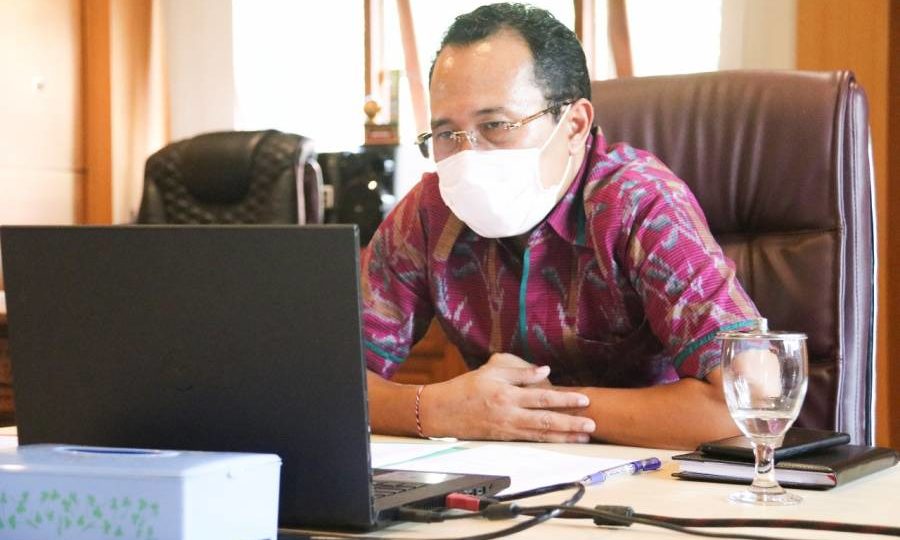

An Indonesian patient in Bali’s Buleleng regency who recently returned from Italy has reportedly undergone a dozen PCR tests for the coronavirus due to “fluctuating results” that have yet to confirm that they have recovered from the viral disease.
The patient, who is identified with the number 03, has reportedly been treated at a hospital in Buleleng for more than 30 days. Buleleng’s regional secretary Gede Suyasa explained that confirmed COVID-19 patients in the regency usually take about seven to eight days to recover, but in contrast, tests for Patient 03 have not shown a back-to-back negative result – which would confirm a patient’s recovery and allow them to be discharged – since he was admitted for treatment.
As of yesterday afternoon, Buleleng regency has recorded seven COVID-19 cases, three of whom have recovered while the rest still in treatment.
“The last swab [test] came back negative, now we’re waiting for the 12th swab [test] that was taken on April 20. Hopefully it comes back negative,” Suyasa told Kumparan today, adding that Patient 03 is visibly healthy.
Buleleng officials are now reportedly waiting for further guidance from the World Health Organization (WHO) about the fluctuating results from the multiple PCR tests they have conducted.
PCR tests, which involve doctors and nurses sticking a very long swab deep into the nose to obtain the mucus sample from the patient, have previously been known to produce false negative results. One notable example being the case of Li Wenliang, an ophthalmologist in Wuhan who brought COVID-19 to international attention and later died of the virus, after repeatedly testing negative.
According to Priya Sampathkumar, an infectious disease specialist at Mayo Clinic in Minnesota, USA, many factors could impact whether or not the swab tests actually pick up the virus.
“It depends on how much virus the person is shedding [through sneezing, coughing and other bodily functions], how the test was collected and whether it was done appropriately by someone used to collecting these swabs, and then how long it sat in transport,” she told AFP.
Read more news and updates from Bali here.