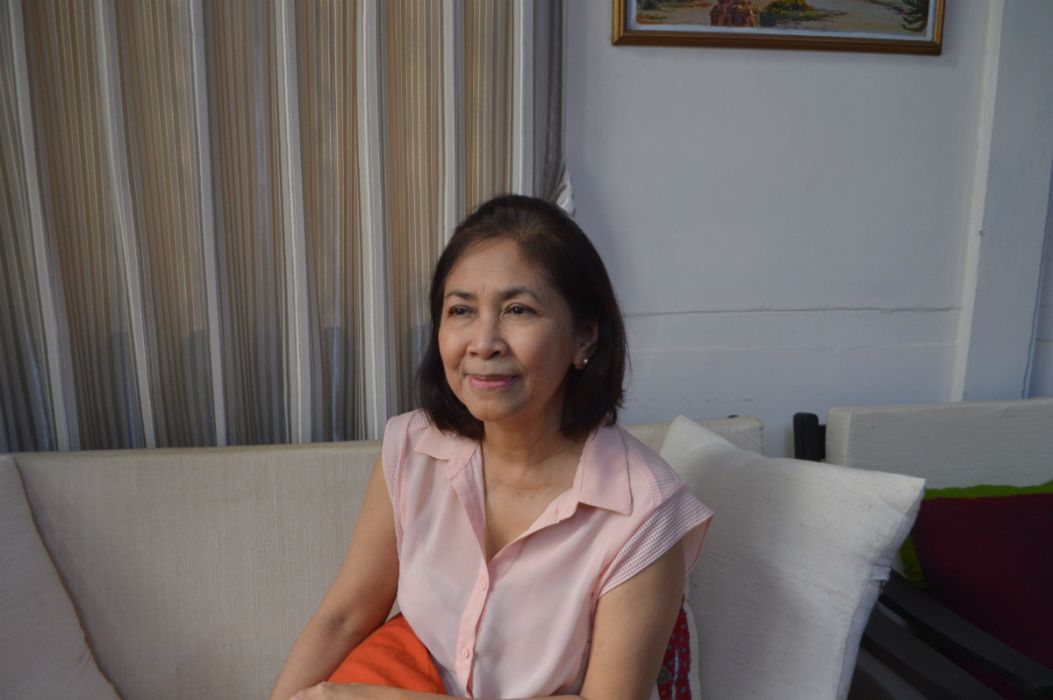

Aye Aye Win, Myanmar’s ‘first lady’ of journalism, reflects on 25 years of chasing stories (Coconuts Yangon)
“Over the course of her career, Aye Aye Win covered the student uprisings in the 1980s and 90s as well as the protests in 2007. She covered Cyclone Nargis in 2008 and the transition to semi-civilian government in 2011. She picked up four international awards, including the Honor Medal for Distinguished Service from the University of Missouri’s School of Journalism.
‘I’m not really retiring like an old person,” she said in crisp English. ‘It’s just a full-time job that I’m retiring [from].’”
Myanmar’s women lawmakers aim to make a mark in new parliament (Myanmar Now)
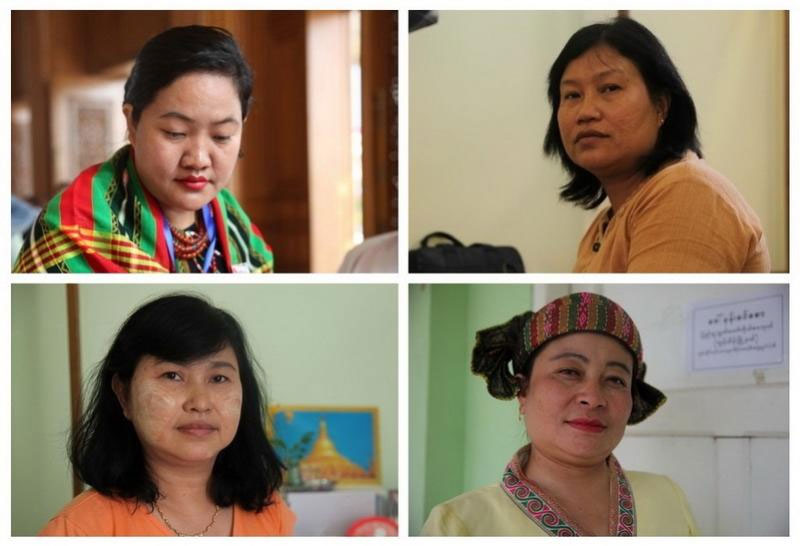
Photo: Myanmar Now
“They are mothers, daughters, sisters and wives who have been also active for years in Myanmar politics, business, and social and cultural affairs. They have managed to thrive in the country’s patriarchal society and in spite of its conservative culture.
These multi-hyphenated women are part of the new crop of elected members of parliament, and make up 13 percent of elected MPs – still a low number but more than double that of the previous parliament.”
Myanmar rappers rewrite women’s roles in their lyrics (Los Angeles Times)

Photo: Facebook / Y.A.K
“With their tattoos, loud tank tops and super-short shorts, Thazin Nyunt Aung and Aye Aye Aung don’t dress like most Myanmar women.
The country’s first female rap group, the duo known as Y.A.K. sometimes finds itself at performances or recording studios alongside demure, warbly voiced divas who specialize in more commercially successful Myanmar pop music. The encounters can be awkward: the nation’s traditional notions of femininity smacking into an audacious new wave.”
Young Rohingya woman chases dream of peace and justice in Myanmar (Reuters)

Photo: Wai Wai Nu / Facebook
“Wai Wai Nu is a diminutive 27-year-old with pro-democracy activism in her genes and a quarter of her young life spent behind bars.
The former political prisoner is now working to end the persecution faced by her people, the stateless Rohingya Muslims in western Myanmar.”
Reporters without bylines: Women journalists in Burma’s minority areas (Ifex)
“Ma Shanmalay was standing outside her home in Taunggyi one cool evening in January 2013 when she was attacked by a young man who slit her cheek with a crude construction tool. Blood was everywhere, recalled Ma Shanmalay, a reporter for the Shan Herald Agency for News, who days before had broken a story about police corruption. It implicated her assailant’s father, a police officer. Ma Shanmalay had her face cut open for doing her job as a journalist.”