
By Zarni Win
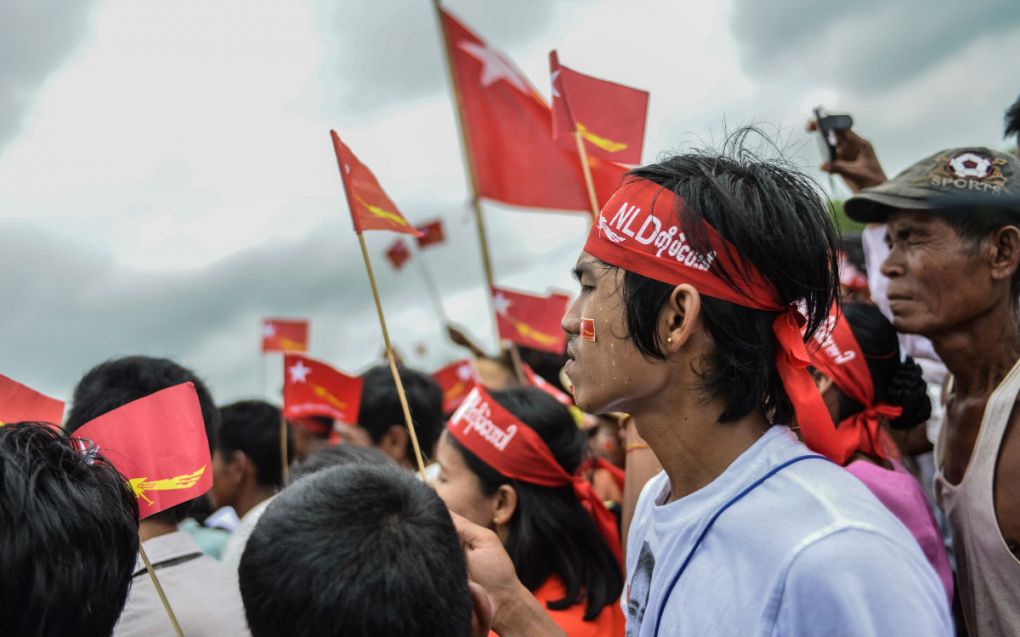
As campaigning is under way for Myanmar’s historic Nov. 8 general elections, electoral candidates are descending on villages and local neighbourhoods in a bid to canvass for votes.
Many people regard this period as the only time that politicians actually come to interact with the residents of their constituencies. Incumbent candidates might finally remember those who offered their support by the time they need their votes again.
Local people might say their demands are ignored once their representative takes up a seat in parliament, and many constituents forget about their representative until campaigns kick off again.
During a visit to a village in Mon State in 2011, shortly after the current government of President Thein Sein came to power, I was approached by an elder of the community. He asked me for a donation for a small road improvement project in the village and seemed to have done so based on the assumption that I had a good salary because I lived in the city.
I found myself arguing against the idea that I should contribute and refrained from becoming emotionally involved with the poor man, though his village clearly had received little support for its infrastructure from local or national authorities.
I pointed to the village shops which had sayings written on their walls, one of which read: “The earnings of today is the capital of tomorrow.” I proceeded to explain to him that it would be appropriate for me to have one at my small top floor apartment in Yangon that said: “The salary of last year is for the rent of the next.”
As I feared the lamenting of my financial sorrows would only be interpreted as the flaunting of my wealth, I stopped short of explaining how Yangon’s peculiar and rising rent market was affecting me. Yangon’s landlords require a full year’s rent up front, while a place that is not located miles away from one’s workplace in downtown will cost at least $200 per month.
Undeterred, the man then explained how the project would improve the surface of the road and benefit the community. Since my donation would not decisively influence the funding of the project, and because my personal income only breaks even with my costs, I was not to be persuaded.
Then, I asked the villagers a question: Who did you vote for in the previous election? I knew they would have elected three lawmakers who would have pledged to help the community in return for their votes. So, I encouraged them to ask their representatives to take their responsibilities and find support for the road project. When canvassing, they made countless promises to work for the affairs of the region, so it should be demanded they fulfil the needs of the village – in fact, it’s their duty.
In the villagers’ opinion, I was probably a city dweller journalist who had left them empty handed. I hoped that, though I did not give money, I at least gave them something to think about.
In recent months, shortly before this year’s campaign began, I made another visit to the village. When I talked to the villagers, I heard their problems had shifted from a lack of a good road to having an improved road that had become a major transport route for trucks going to a new mine nearby.
A mining firm had begun collecting rocks that were being used to resurface roads, including the one running through the village. The businessmen involved were benefitting from the enterprise, but not the village. The constant noise from the rock breaking at the quarry and dust clouds rising from the passing throng of trucks had greatly affected the villagers’ lives.
A while before I visited, two environmentalists from organisations in Yangon had come to the village after hearing about the situation. They decided to discuss it with villagers and advised them to check whether the mining operations were being conducting in compliance with license conditions.
The residents might have had high expectations of the visit, but in reality the environmentalists were only able to give them advice. Action to resolve the problems would have to come from residents themselves and the representatives who promised to work for the community.
The two sides should communicate and are jointly responsible for issues in their constituency; residents should have approached their representatives to inform them about their problems.
However, in this case it’s worth asking if this would have made a difference. It has been revealed that two representatives for the region are both shareholders in the mining firm. The fact that they profit from activities harming their constituents shows how little they care or are informed about the plight of their voters.
The residents are unlucky to have representatives who benefit from businesses affecting their lives; they should be aware of this fact in case lawmakers decide to run for a consecutive term.
This campaign period is an exciting time for residents as candidates come to canvass in villages and neighbourhoods. But whoever the electoral candidate that comes through, he or she should they be thoroughly quizzed about their promises to resolve the community’s problems, and constituents should ensure representatives keep their word.
If lawmakers and constituents fail to keep their mutual responsibilities, I fear that once this important election is over both sides will have again forgotten about each other, and the pledges that were made.
This story originally appeared in Myanmar Now. It is republished with permission.
Photo / Aung Naing Soe