Racism, sexism, and homophobia are often accepted and even promoted by Myanmar’s older generations. It’s up to young people to stand up to it, even if that means correcting the people we love.
“Daughter.” I glanced up from my phone, one hand on the doorknob. “You can’t wear that to tuition (after-school lessons). There are men there.”
I frowned, looking down at what had, until now, seemed like a perfectly fine dress. After all, it was a hot day, and all I was going to be doing was sitting in a classroom for an hour.
“But what’s wrong with it?”
“You can see your shoulders. Your knees too. It’s for your own good, now go change, OK?”
This was three years ago. I was 12 years old at the time.
Nodding slowly, I made my way back to my room to put on jeans and a T-shirt, wondering why my knees and shoulders were so much more important than my education. I didn’t understand any of it.
See, underneath all the pagodas and puppet shows, Myanmar has a deeply-engrained problem with prejudice, its roots digging deeply into all different aspects of our daily lives, including our education, our entertainment, and even our religion.
You notice it in how the worst insult you can be called is a kalar (Indian) or an achout (gay). You notice it when someone drives badly, and everyone immediately assumes the person is a woman or Chinese. And you notice it in the myriad restrictions girls face every day, whether it’s going out without a trusted male companion, joining a sports team, or even, God forbid, wearing a dress to tuition because the weather is hot.
What people don’t realize is that these stereotypes can be extremely damaging. Statements like “Chinese people are corrupt,” “gay people are predators,” and “black people are thugs” are obviously harmful, but even seemingly harmless stereotypes like “boys should be tough” or “girls don’t play sports” reinforce social barriers to progress by shutting out an entire world of options for someone to explore, just for the sake of sticking to the imaginary criteria of one’s gender, race, or sexuality.
What makes it more frustrating is that these everyday instances of inequality usually come from our friends and family – people we know and love. Your “racist uncle” is the uncle that helped raise you and taught you how to ride a bike; your “ignorant tuition teacher” is the teacher who helped you pass your toughest subject; your mom’s “insensitive colleague” is the colleague who helped her get that huge promotion. And as a generation taught to respect our elders and never talk back, all we are ever able to do is stand by with clenched fists and gritted teeth as they berate minority after minority.
What’s more, on the rare occasions when we do attempt to speak out against these rants, there are always the same old excuses at the ready: “You’re younger than us, you just don’t know any better”; “It’s harsh, but it’s true”; and the classic, “God, your generation is way too sensitive.” It’s infuriating, but all we can do is stay silent for fear of being rude, as the stream of abuse continues and our supposed superiors strut away in a cloud of their own self-assuredness.
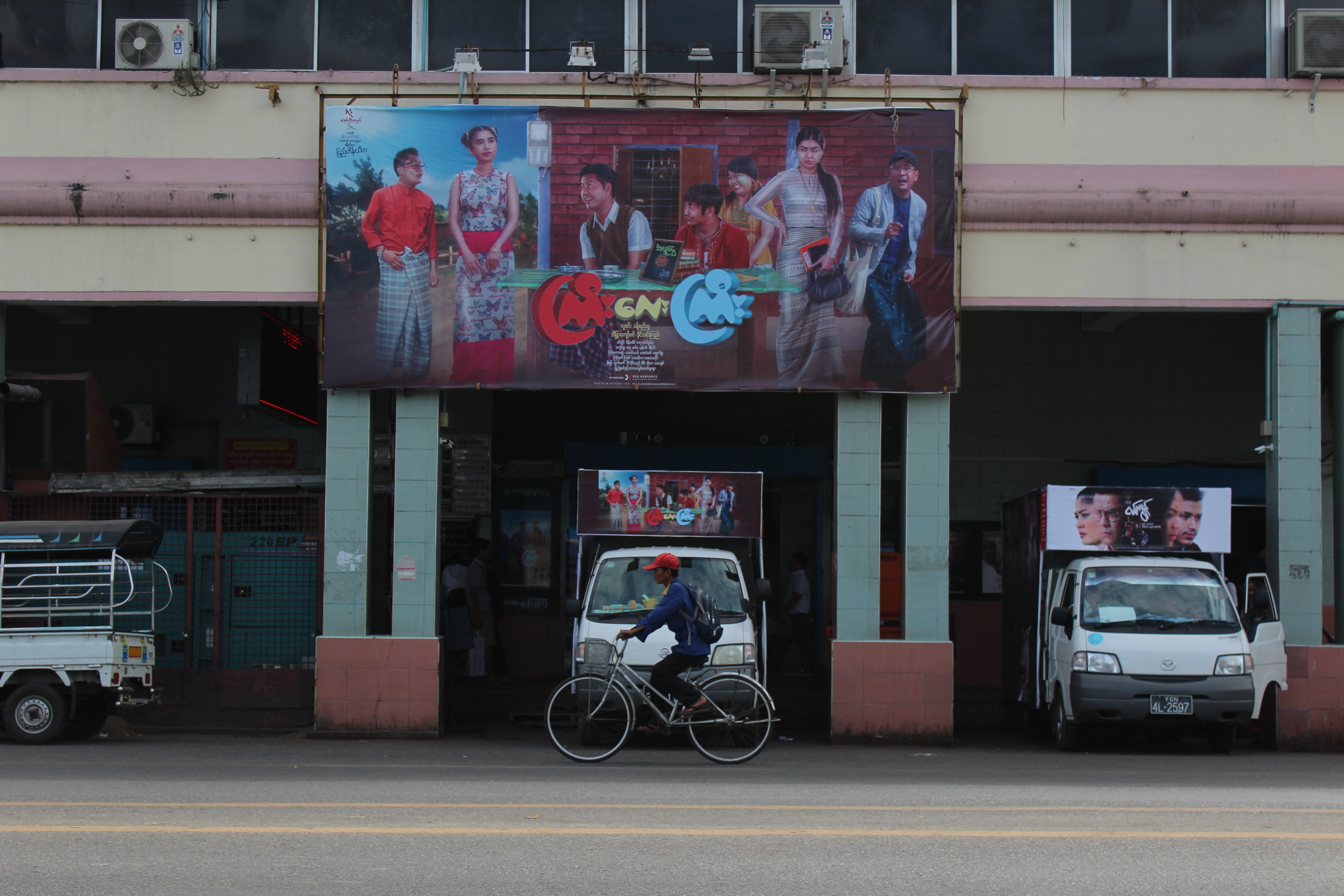
But it isn’t just people we know who spout this ignorance; social injustice also runs rampant in the country’s popular culture itself. Whether it’s in blockbuster movies or traditional folk tales, injustice almost always shows up in the forms of blackface, crossdressing, or rape jokes, which are passed off to the public as “comedy.” Because mocking another race, men wearing pink, and women being assaulted is apparently rib-crackingly hilarious.
Look, maybe I am being too sensitive. I mean, sure, maybe those jokes are all they are – jokes – and sure, my parents mean well when they tell me not to wear shorts when I’m going out. After all, they are just trying to keep me safe, and maybe I am being too fragile. Maybe I should just smile and nod the next time my aunt goes on a tirade about homosexuality being a sin.
But the problem with that is that this is how the vicious cycle continues: people don’t get called out on their problematic behavior, they continue spreading what they think is the truth while silencing those who disagree with their bigotry, and the cycle of ignorance lives to see another day.
So, what can we do to break out of this seemingly perpetual loop? Obviously, it can’t all be dismantled in a day. If even so-called “developed” countries still have so many miles to go that someone like Donald Trump could be elected as president, we’ve definitely still got our work cut out for us.
In the meantime, my hope is that we stay educated and take small steps. Boycott movies that promote rape culture and racism. Form your own opinions and don’t mindlessly believe everything someone says. Call out your relatives on their views. Yes, it might be scary, and yes, it may cause conflicts, but who knows? You just might end up changing an opinion or two.
Eaint Wutyee May Moe is a Year 11 student at a Yangon international school. Responses to this essay can be sent to moe.precious@gmail.com.