
The Voice, the reality TV singing competition that’s pretty much the new Idols franchise, is a global hit, judging from the eleven seasons that ran in the United States and the fact that the format has been adapted in sixty-two regions.
Singapore Idol was a bust, but no matter, The Voice is here. Now any Singaporean can live the dream and let their vocal talent shine on stage for millions to see.
Or not. You see, The Voice that we’re getting here — produced by mm2 Entertainment, Starhub and Malaysian broadcaster Astro — only accepts talents from Singapore and Malaysia who are “fluent in Mandarin” and are “able to perform songs in Mandarin”. Basically, no seat at the table for you if you can’t speak Chinese.
The rules say that participants can be of any race or nationality, so long as they can speak and sing in Mandarin. We love their ambitious positivity — there must be so many non-Chinese folks out there who can communicate confidently in Mandarin, much less sing in the language. Hell, there’s a significant population of actual Chinese folks in Singapore who neither converse nor croon in Mandarin.
Even Chinese dialects aren’t spared from The Voice Singapore/Malaysia’s brutal prerequisites — interested participants are not allowed to send in audition clips that have them singing in Cantonese, Hokkien, and the such.
From a marketing and financial standpoint, this makes perfect sense. It’s obvious that this version of The Voice here will be relentlessly geared towards the Chinese market; a move that can translate to big bucks and phenomenal reach potential in other Mandarin-speaking markets. After all, our Singapore Idols Taufik Batisah and Hady Mirza didn’t make much of a splash outside the region, and it’s not as if they’re huge superstars today, anyway.
But you’ve seen the amount of support Nathan Hartono garnered from both his home country and abroad when he was in Sing! China. So, yes, marketing the contest to Mandarin-speaking audience makes perfect economic sense. But it is unfortunate that what’s basically a Chinese singing contest is being sold as Singapore and Malaysia’s edition of The Voice — Mandarin’s not even the national language of either country.
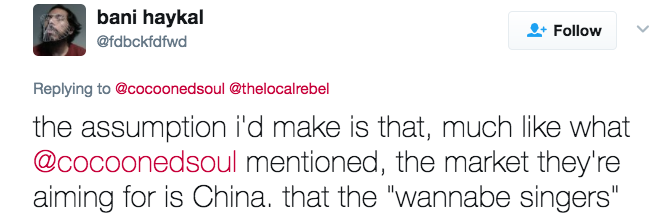
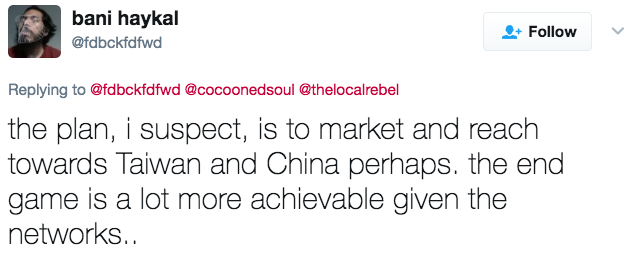
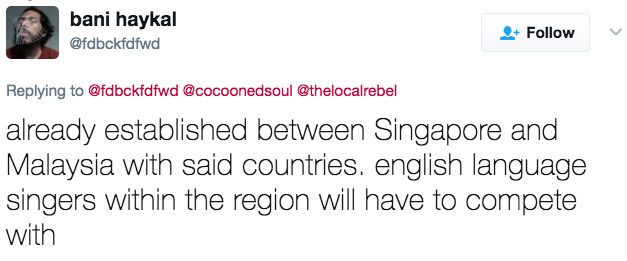
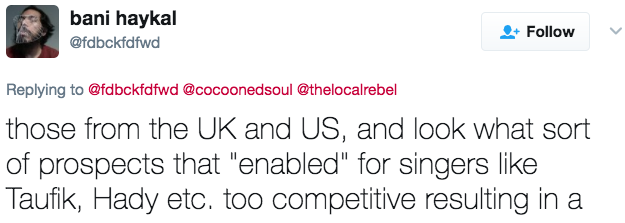
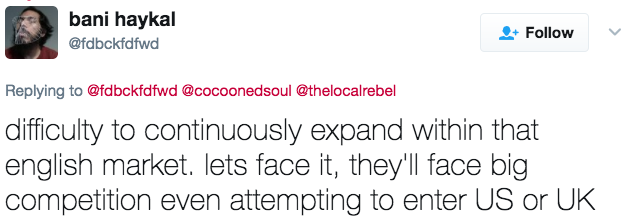
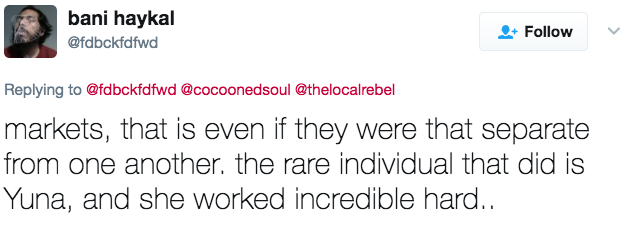
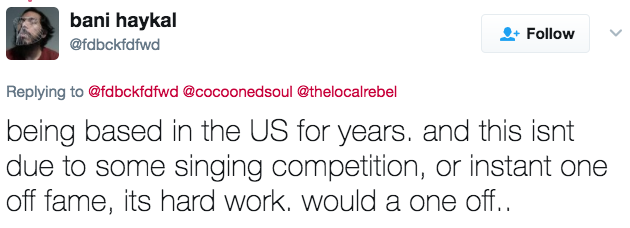
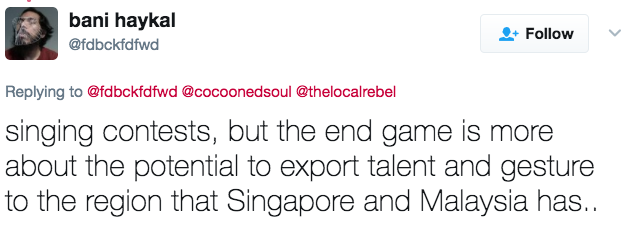
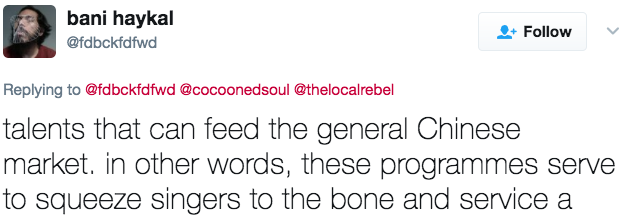
Bani Haykal — poet-musician-artist of alt-rock outfit B-Quartet and Cultural Medallion recipient — explains it better than we can in his conversation/essay on Twitter.