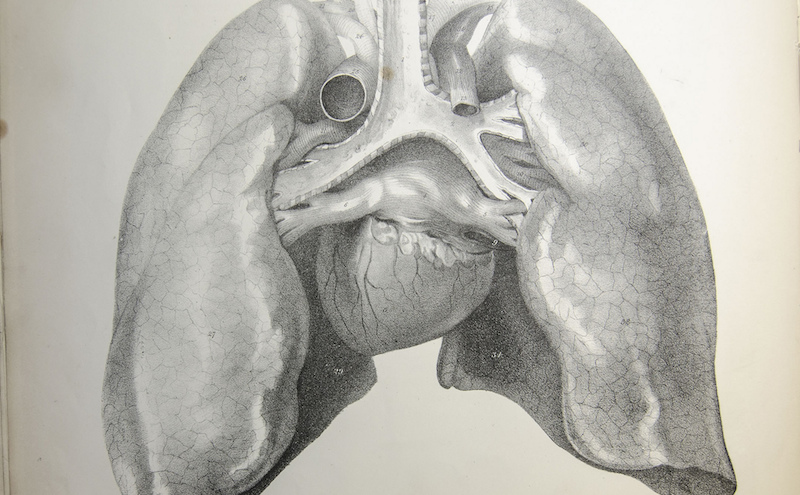

Tuberculosis, the pulmonary disease that was frightfully rampant in the 19th and early 20th centuries, is making an unfortunate comeback in Singapore, with a documented increase in such cases here since 2008.
TODAY reports that researchers from the National University of Singapore (NUS) have found that the incidence rate of Tuberculosis (TB) started to climb from 2008, hitting around 39 cases per 100,00 people. Prior to that, the incidence rate had been on a downward trend with only 35.1 cases per 100,000 people in 2007 — a historic low.
One contributing factor to the rise in the oft-fatal disease is the growing non-resident population, who were found to have higher TB incidence rate than locals. The researchers have noted that the loosening of Singapore’s immigration policy since 2005 have made the growth possible, citing immigrants from India and China as the ones forming the biggest burden of TB here in recent years.
The nation’s expanding ageing population also forms another contributing factor to the rise in TB — weakened immune systems allows the tuberculosis bacteria to wreak havoc in the body, according to a doctor who led the study.
To combat the rise in the disease, doctors have to be more aware of potential TB cases among the elderly. Currently, stringent health checks are performed on foreign workers to prevent more of such cases making its way to Singapore.
Photo: University of Liverpool via Flickr