
The spotlight lately has been trained on the prevailing issues facing teachers here, but here’s another profession that’s as stressful — if not more so.
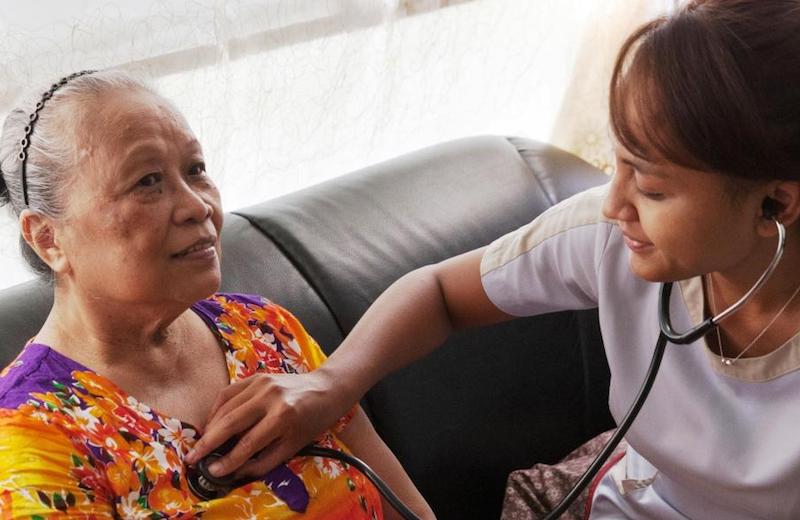
Like teachers, nurses have one of the most demanding vocations in the world, and that’s just for the nurses who work in hospitals. You know who has it way worse? The staff and caretakers at nursing homes here.
First off, they’re being paid peanuts. According to a study by Lien Foundation and the Khoo Chwee Neo Foundation, monthly salaries are as low as $350 a month — excluding food and lodging — which is less than what most domestic workers make. Nursing home staff aren’t getting gratuities or night allowances like their counterparts in hospitals either.
Then there’s the shortage of manpower. The nature of the work (tending to every want and need of the elderly) and odd hours put off Singaporeans from the profession. Where hospitals provide opportunities to learn about complex medical problems, “staff may view jobs as mundane, menial and routine” in nursing homes, says Loh Shu Ching, CEO of Ren Ci’s nursing homes.
The Ministry of Health’s Replacement Ratio funding scheme provide addition funds for homes to hire 33 percent more care staff — but it’s kinda wasted as its hard enough to find interested local workers. Nursing home operators informed researchers that Singaporeans prefer normal office hours and weekends off.

With such a shortage of manpower, nursing home staff will have to handle multiple tasks, with resident ratio to nurses ending up way unbalanced. In one home, there could only be one staff member on duty for every 32 residents.
No surprises then that there have been recent cases of untrained, frustrated domestic workers who end up abusing older folk after being unable to cope with the heavy burden.
It’s a worrying issue, the report points out, especially since a quarter of Singapore’s populations will be made up of seniors who are 65 and older by 2030. The amount of elderly folks living alone is set to increase from 40,000 now to over 92,000 in 15 years’ time. Meaning there’ll be more people needing long-term care out of their homes —and if the current trend continues — not enough people to help.
Perhaps the most damning find in the studu is the fact that nursing homes feel “prison-like”, thus the report’s title: “Safe but Soulless“.
“Any review to improve nursing homes must go beyond the dollars and cents to include the wellbeing of the residents,” said Peggy Goh, founder and Board Member of Khoo Chwee Neo Foundation.
“Despite the rise in government spending on nursing homes, dormitory-style accommodation is still the norm in Singapore’s nursing homes. Ironically, nursing homes are far from being home-like.”