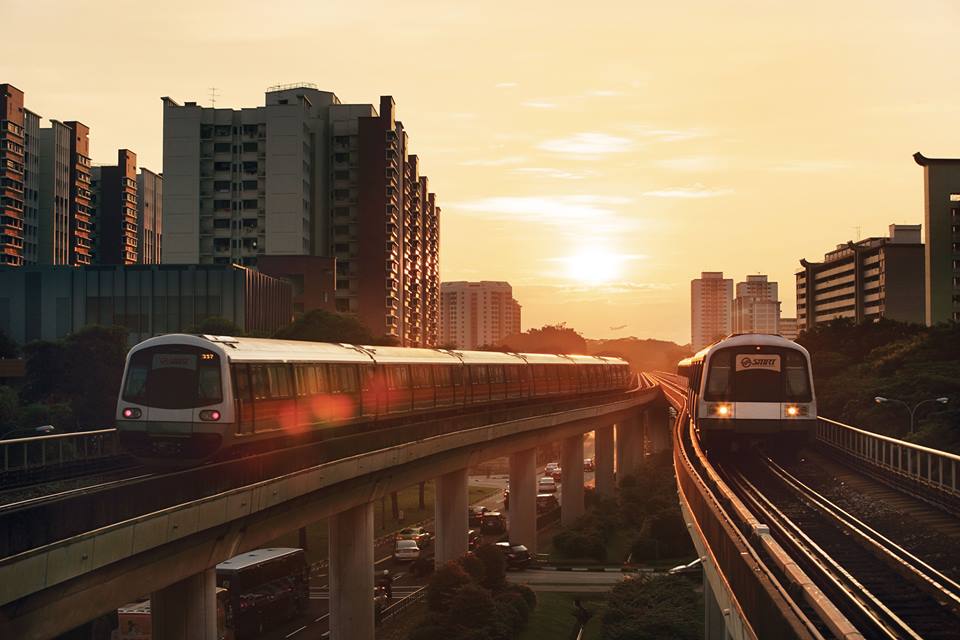

Singapore state-linked investment giant Temasek Holdings said on Wednesday it would take full ownership of embattled public transport operator SMRT Corp in a deal worth $1.18 billion ($869 million).
Temasek’s offer to buy the 46 percent of SMRT shares it does not already own follows public criticism of the operator for a series of service disruptions in recent years.
Both companies said in a joint statement that SMRT would be delisted after the takeover is completed.
The statement said “privatisation will provide SMRT with greater flexibility to focus on its primary role of delivering safe and high-quality rail service, without short term pressures of being a listed company”.
SMRT, which operates three metro lines, a light rail line and bus services, has come under attack in recent years for frequent breakdowns of its train services as its network expands.
Last year, the rail operator was fined $5.4 million — the largest penalty ever imposed on a public transport operator in the city-state — for a breakdown in July that crippled two core lines, hitting 413,000 commuters during the evening rush hour.
SMRT was also fined for two disruptions in 2011 that affected about 221,000 commuters.
Temasek’s offer needs the approval of a majority of SMRT shareholders.
Temasek offered $1.68 per share, an 8.7 percent premium over SMRT’s last traded price of $1.545 on July 15 before trading was halted. This values SMRT at a total $2.57 billion.
The proposed buyout followed an announcement on July 15 that SMRT would transfer $991 million worth of rail-related assets, such as the trains and the signalling system, to regulator Land Transport Authority (LTA) so that it can focus on improving services and maintenance.
Under a new rail financing scheme, the authority will own the assets and decide on replacements and upgrading.
SMRT will run the trains and keep a share of the earnings, while paying an annual licence fee to the LTA.
In a briefing after Wednesday’s announcement, SMRT chairman Koh Yong Guan said the current financing framework was “almost on the verge of becoming totally unsustainable” because of a mismatch between fares and operating costs.
Public transport fares are regulated by a board that reports directly to the transport minister.
“This is nationalisation Singapore-style,” Song Seng Wun, an economist with CIMB Private Banking, told AFP.
He said the backlash from commuters “has had some political cost to the government” and prompted it to take action.