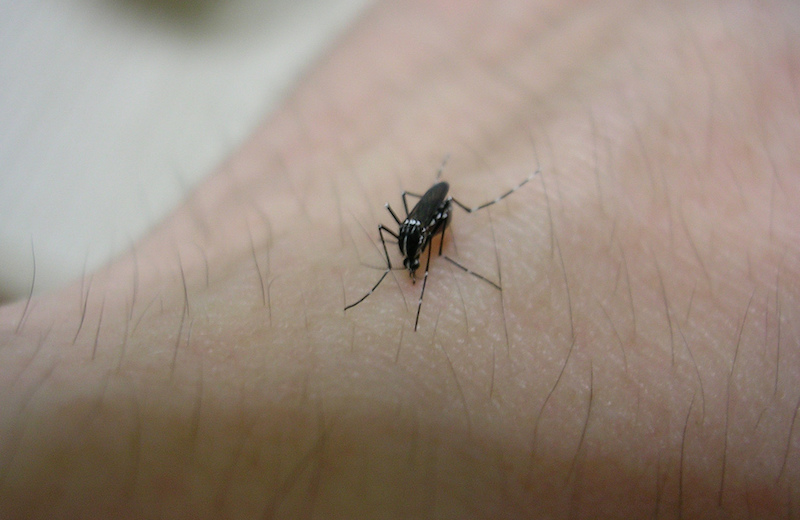

In the first reported dengue fatality of 2016, a 47-year-old man who stayed in the dengue-ridden neighbourhood of Marsiling Rise succumbed to his illness and passed away last Friday.
The National Environment Agency (NEA) noted that he had been staying in an area located within an active ten-case dengue cluster, which had been undergoing vector control operations. NEA officers have so far destroyed six counts of mosquito breeding — five of which were found in residential premises and one in common areas.
They also brought to attention the increase in the Aedes mosquito population due to the warmer climate brought by the El Niño phenomenon, aiding the breedings and spread of the virus.
As if dengue wasn’t enough worry, Singapore is said to be vulnerable to a new breed of mosquito-borne virus: Zika. Also spread by the Aedes mosquito, the Zika virus have been spreading rampantly throughout Central and South America of recent months.
The virus — which CNN reports to have no prevention or treatment — has the capacity to affect unborn children should a mother be infected during pregnancy. It could produce a rare neurological condition called microcephaly in babies, which gives them abnormally small heads.
“We urge all members of the public and stakeholders to stay vigilant and continue to work as a community to prevent dengue cases from rising,” said NEA.










