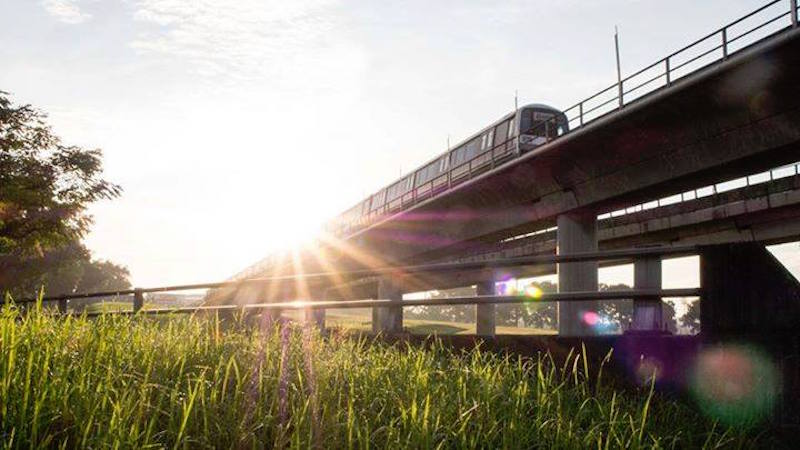

Here’s to a fresh start to public transport — the government will soon be taking over all assets of SMRT. Exactly what many have been waiting to happen, especially considering the excessive amount of delays and disruptions to train services over the past several years.
SMRT will be transferring all of its operating assets to the new rail financing framework set up by the Land Transport Authority (LTA) come Oct 1, pending SMRT shareholders’ approval. The transfer comes at a colossal price too; LTA will pay SMRT nearly $1 billion for the over 60,000 assets, which include trains and signalling systems.
SMRT, on the other hand, will be relieved of ownership responsibility over the assets and will instead focus on operations and maintenance of the rail network. They’ll be paying a licence charge to the LTA to operate the lines and earn revenue from them.

Enough with the technicalities, though. How will this new development benefit commuters?
- The government will be in charge of making timely investments in expanding, replacing and upgrading trains and other assets.
- Operating licences are shortened, so LTA can re-tender the operation of rail lines more often. This allows for more competition.
- SMRT will be relieved of heavy capital expenditure, allowing them to devote resources to reliable and well-maintained rail services
- SMRT will have to comply to enhanced benchmarks set by LTA under the new Maintanence Performance Standards (MPS).
“Commuter interests are at the heart of the transition to the new rail financing framework.” LTA wrote. “Commuters will benefit from higher-quality rides and a system that is more responsive to their needs”.
The good news is this change won’t affect fares for commuters or the staff of SMRT. LTA was quick to remind that this is by no means a nationalised rail sector — SMRT will continue running the rail services. But SMRT will have to fight (ie, improve their services) to keep their license. Only time will tell if this will do anything to alleviate the irregular pains of taking public transport.