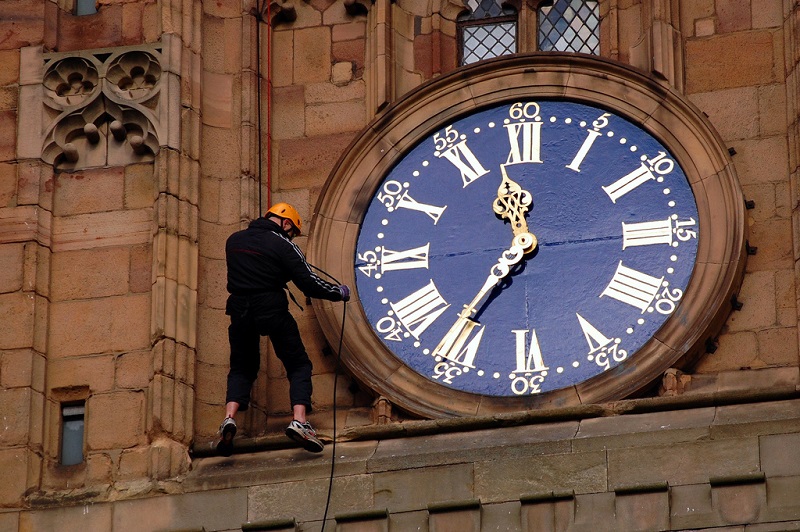

It may not seem a lot — just an extra second — but it could pose significant damage to businesses that rely heavily on electronic systems.
You see, the last time this “leap second” happened in 2012, some 400 Qantas flights were grounded because the airline’s check-in system crashed, according to TODAY.
Yes, that bad.
According to the report, this year is especially critical for Asian countries as it is the first time that it will occur during trading hours since financial markets went electronic, points out Dr Liu Yan Ying, a meterologist at the National Metrology Centre of the Agency for Science, Technology and Research (A*STAR).
“There has been very serious debate within the time community in past years. Scientists want to abolish leap second insertion because it has caused so many unwanted issues but some people are against it,” he adds.
And oh, don’t forget the time: it’s 07:59:60 on July 1.










