
This article was first published on Dollars and Sense
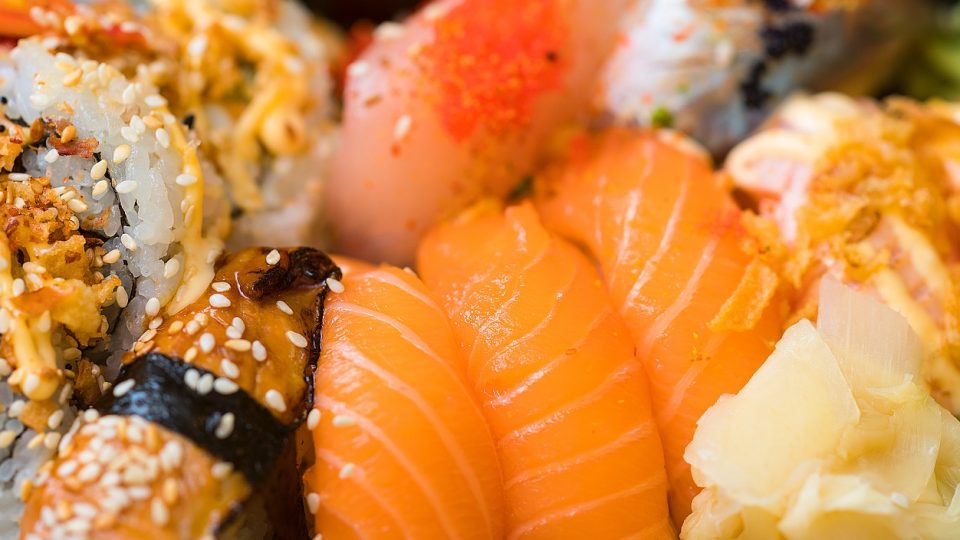
Sushi Tei, Sakae Sushi, Ichiban Sushi, Ichiban Boshi, Watami, Itacho Sushi… Most of us would have dined in at least one, if not all of them, on some occasion.
These Japanese restaurants dot every mall in Singapore and are always a favourite pick among Singaporeans for a cozy dinner, or a weekend lunch.
Typically, Japanese dishes aren’t as cheap as other types of cuisine, considering that their ingredients and preparation methods tend to be more complex. That said, this doesn’t mean you should just order any dishes you want at a Japanese restaurant with the presumption that they all offer similar value for the money.
Before you get engrossed with the delicious photos on the menu and order everything that looks good, we caution you on some items you will be overpaying for.
Edamame
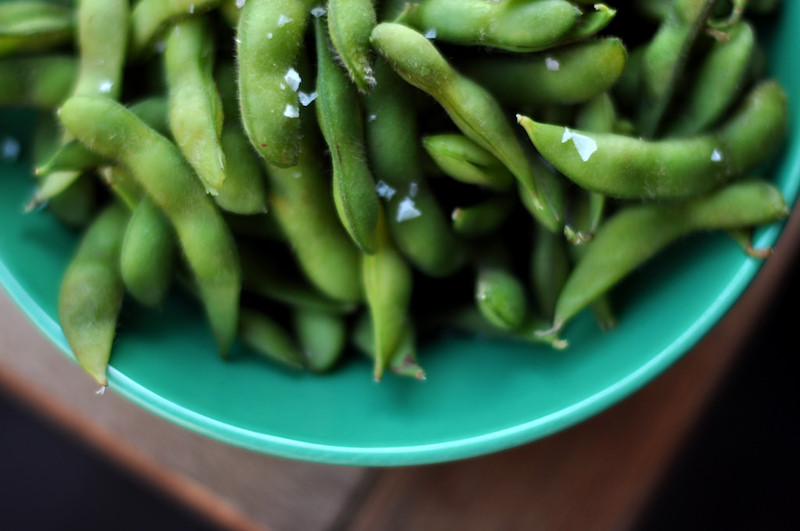
This Japanese green bean is an all-time favorite side dish. They’re fun to pop out of their pods, and they make an excellent appetizer. A small plate of Edamame (200g at most) costs $4.80 at Sushi Tei.
However, at NTUC, you can get 500g of it at only $2.60.
All you need to do to create your own restaurant edamame is to bring water and salt to a boil, add edamame and cook for 5 minutes until the edamame are tender and easily launched from their pods.
Seems like the only skill here required for you to enjoy this dish at home would be knowing how to boil water. Give it a try at home instead.
Soba and udon
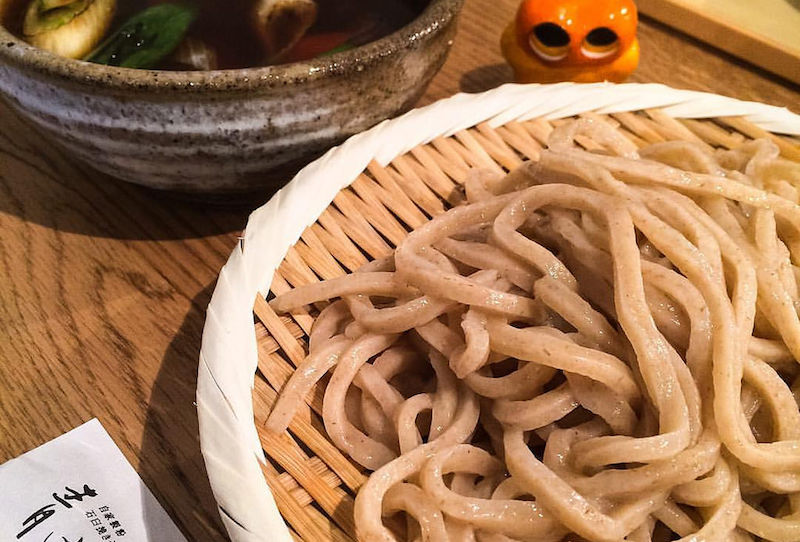
Soba and udon never fails to be the choice of carbs among diners at Japanese restaurants. The presentation of it makes all the difference — green tea soba on bamboo mats gives us the sense that we are having an authentic Japanese experience.
With bowls being priced at about $10, we think you are definitely overpaying.
In supermarkets, you can get one serving of Soba for only $2 ($3.80 for the organic version which restaurants don’t use). Get some soba sauce and you can whip up your own soba! It’s also a healthier option as well because you also remove any MSG in the soup.
Udon is even cheaper at only $0.85 per 200g serving at NTUC. Even at higher-end Japanese supermarkets like Isetan, it will still be much cheaper than what the restaurant serves you.
Sukiyaki
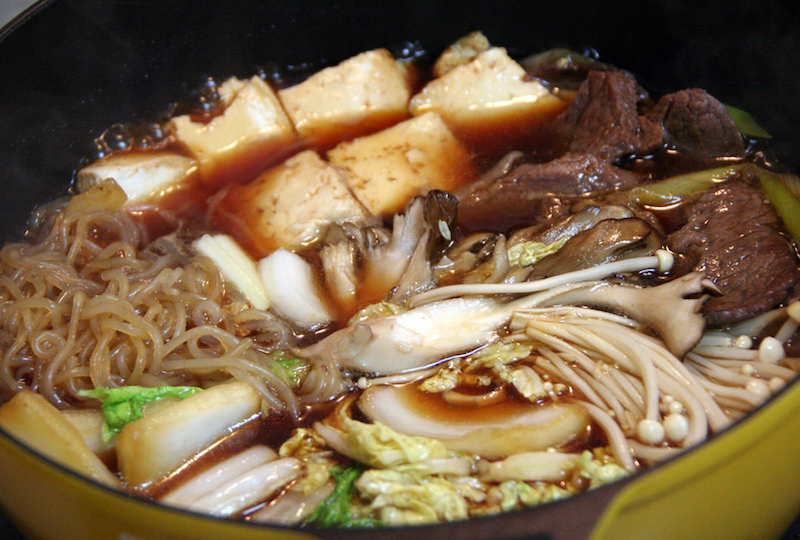
Sukiyaki is a dish consisting of vegetables and tofu slowly boiled in a special Japanese soup base. The dish usually comes with a few slices of beef or pork, and costs up to $19. Upgrading to Wagyu beef slices will cost you more.
We think this is not worth your money as the portion of vegetables is extremely small. Every additional serving of raw vegetable will cost you $4. Anyone who’s done grocery shopping before would tell you that the vegetables typically served in Sukiyaki soup don’t cost that much.
Beef and pork slices are of course, more expensive than vegetables. Yet, if you look at the beef or pork slices, you’d know instantly that you get will more for your money ordering them at steamboat restaurants where you can enjoy far more meat at a fraction of the price.
Of course, we are not discounting the delicious soup base that the vegetables are cooked in. The soup base can be made with sake, mirin (Japanese wine), sugar and soy sauce — common ingredients in all Japanese dishes. Yes, it takes a little more work but if you’re into genuinely into Japanese cuisine, try making the soup base yourself and treat your family and friends to some homemade sukiyaki.
Maki
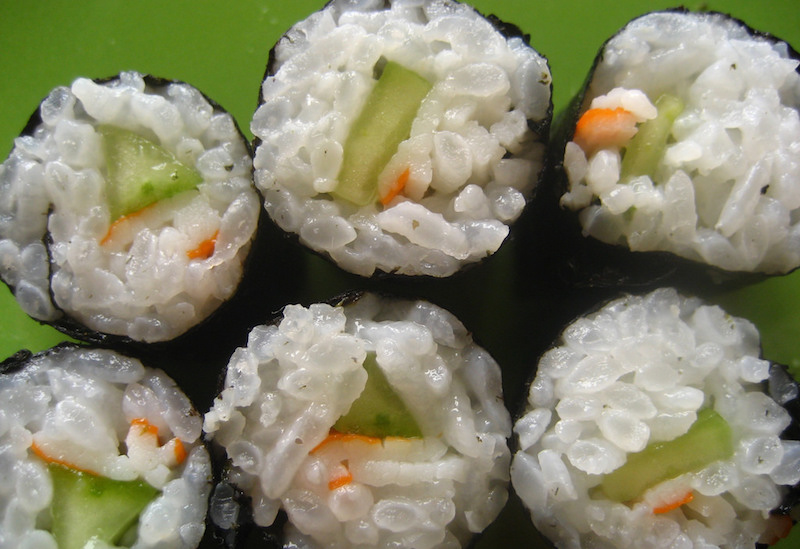
We’re sorry, but unless you really love Japanese rice, it’s not worth it to order maki (sushi rolls).
Rice makes up about 70 percent of the roll. If you like a particular ingredient inside the maki (e.g. tamago, salmon, avocado, unagi), it’s better to order a handroll that has less rice, the same amount of ingredients, and probably costs way less.
Handrolls are definitely fresher as well because all handrolls have to be made on the spot (so the seaweed is sweet and crunchy). Makis are usually pre-made hours before they are served. That’s why you frequently see them on conveyor belts.
Out of all the makis, we think the cucumber maki, crabstick maki, tamago maki and California rolls are the most overpriced items. Steer away.
Sashimi plates
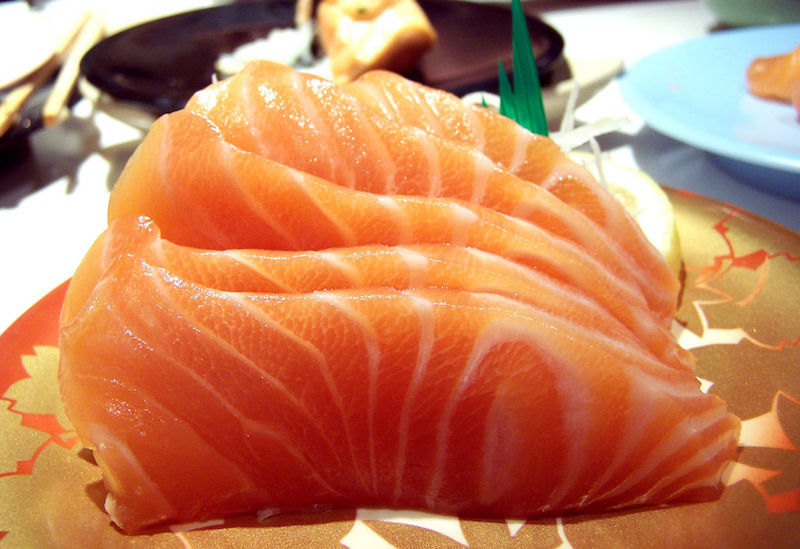
A single plate of salmon sashimi (with five slices) can cost around $8. That makes every sashimi slice a whopping $1.60. You might just be paying more for the pretty plate, the white radish and the plastic (non-edible) leaf decoration.
If you love Sashimi that much, getting an entire block of sashimi from Japanese markets is much cheaper. The chef will even slice it for you too. If not, we believe that a sashimi platter or even a chirashi bowl would be a better option for your sashimi fix.
DollarsAndSense.sg is a website that aims to help people make better financial decisions. If you like what you read, subscribe to the Dollars And Sense Newsletter.