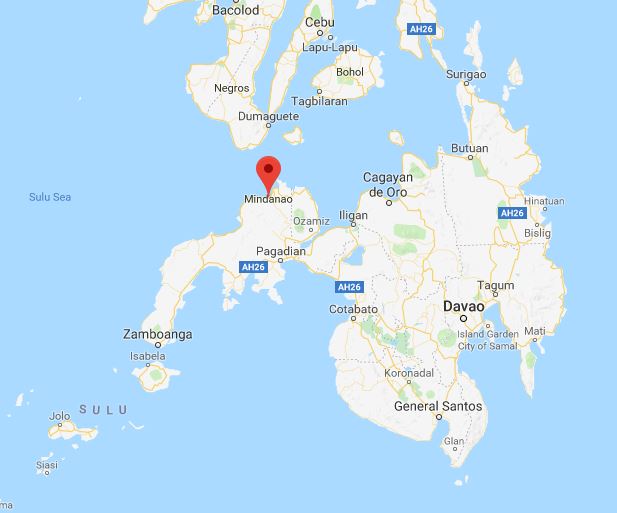

Stay away from the Philippines’ Mindanao island for now.
That’s basically what the United Kingdom’s government told its citizens when it issued an updated travel advisory on Monday asking them not to travel to western and central Mindanao and Sulu in light of terrorist activities and conflicts between the military and armed groups.
In its advisory, the UK government’s Foreign and Commonwealth Office (FCO) also advised “against all but essential travel to the remainder of Mindanao (excluding Camiguin, Dinagat and Siargao Islands) and to the south of Cebu province, up to and including the municipalities of Dalaguete and Badian, due to the threat of terrorism.”
The FCO’s advisory also told citizens that threats exist in other parts of the Philippines as well, including in Manila.
“Terrorist groups continue to plan attacks and have the capacity and the intent to carry out attacks at any time and anywhere in the country, including in places visited by foreigners, like airports, shopping malls, public transport, including the metro system, and places of worship,” it added.
In its travel advice posted on the U.K. government’s official website, the FCO highlighted the Dec. 31 blast that hit South Seas mall in Cotabato City which killed 2 persons and left 34 injured.
The Philippine military believes that an Islamic State-inspired terrorist group perpetrated the attack. An investigative body was just formed by the police to probe the crime.
The FCO warned citizens that martial law has been extended in Mindanao until the end of 2019, and that there may be curfews and checkpoints all over the region.
Despite the backlash, Philippine lawmakers last month approved President Rodrigo Duterte’s request to extend martial law in the area for the third time.
According to Duterte’s spokesperson Salvador Panelo, this was done to “protect the nation and its people.”
The advisory also told U.K. citizens about the United States’ Department of Homeland Security report which flagged the Ninoy Aquino International Airport for failing to maintain security measures established by the International Civil Aviation Organization.