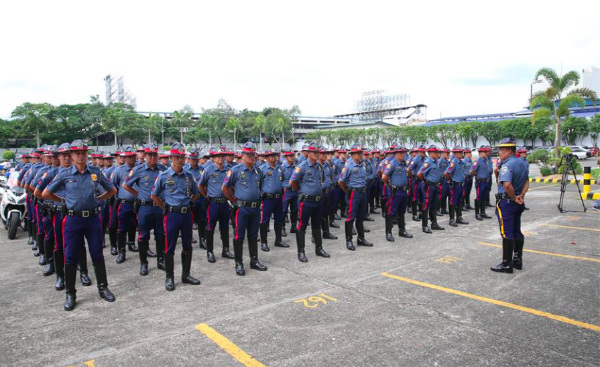

The Philippine National Police (PNP) are back at it again with their anti-drug operation Oplan Tokhang (knock and plead), which restarted just this morning, but there will be changes that will hopefully prevent possible human rights abuses from happening.
But what exactly do these changes look like and what will they mean for suspected drug pushers and their neighborhoods that often became the battleground in the war on drugs?
The most notable change is that now, all anti-drug operations will include human rights officers or advocates to keep the police in check.
“The Tokhang team shall be joined by at least one representative from any concerned ADAC (anti-drug abuse council), at least one representative from PNP HRAO (Human Rights Affairs Office) or any Human Rights Advocate,” the revised guidelines read.
Operations will now also include at least one representative from the religious sector.
The Catholic Church in the Philippines has been vocal about their criticisms on the war on drugs since it started in 2016. During a speech addressed to other bishops yesterday in Cebu, Catholic Bishops’ Conference of the Philippines President Archbishop Romulo Valles called on the police to stick to the rules set for the anti-drug operations.
“We pray that the police follow the prescribed steps in implementing the law… steps that should be done in exercising their responsibility as policemen,” he said.
These new steps are:
Before the operation
- Police intelligence to verify list of alleged drug pushers
- Chief of police to coordinate plan with Philippine Drug Enforcement Agency and lower government units
- Chief of police to form teams of five that include the deputy chief of police as the leader and four other policemen
- Teams will go through a one-day orientation
During the operation
- Teams can only enter homes of those on the verified list
- Suspects cannot be forced to sign any document
- Those who surrender will be led to a barangay (village) hall or police station with a relative to process documents
- Those who want to go to rehab will be brought to an agency that can help or to a PNP Recovery and Wellness personnel
- Police cannot engage suspects who do not surrender
After the operation
- Teams need to submit a report and hold an evaluation of the operation
- If a team member fails to follow the rules, the precinct commander will be relieved of his position. The same goes for the chief of police, provincial directors, and regional directors if two or more of their subordinates violate the guidelines
Hopefully, these new procedures could significantly lessen the deaths and violence during the operations.
The PNP also said Wednesday that anti-drug operations can only happen during business hours or on Monday through Friday from 8am to 5pm.
While the PNP would like to require the use of body cameras, Chief Ronald “Bato” Dela Rosa said Wednesday that they don’t have enough cameras yet to do this and that for now, cameras will be optional.
Since Oplan Tokhang just restarted today, we’ll have to wait and see how effective the new rules are in preventing abuses. Even before the re-boot of Tokhang, four alleged drug suspects were already killed in an alleged police shootout early yesterday morning.
Thousands of people have been killed since the war on drugs started in 2016. According to the latest data from the PNP, the number of those killed in police operations is close to 4,000, although some human rights groups think the death count is closer to 13,000.
Because of criticism on the war on drugs, Philippine President Rodrigo Duterte removed the PNP as the lead agency in anti-drug operations twice last year but eventually brought them back, effectively restarting the war, just months after.