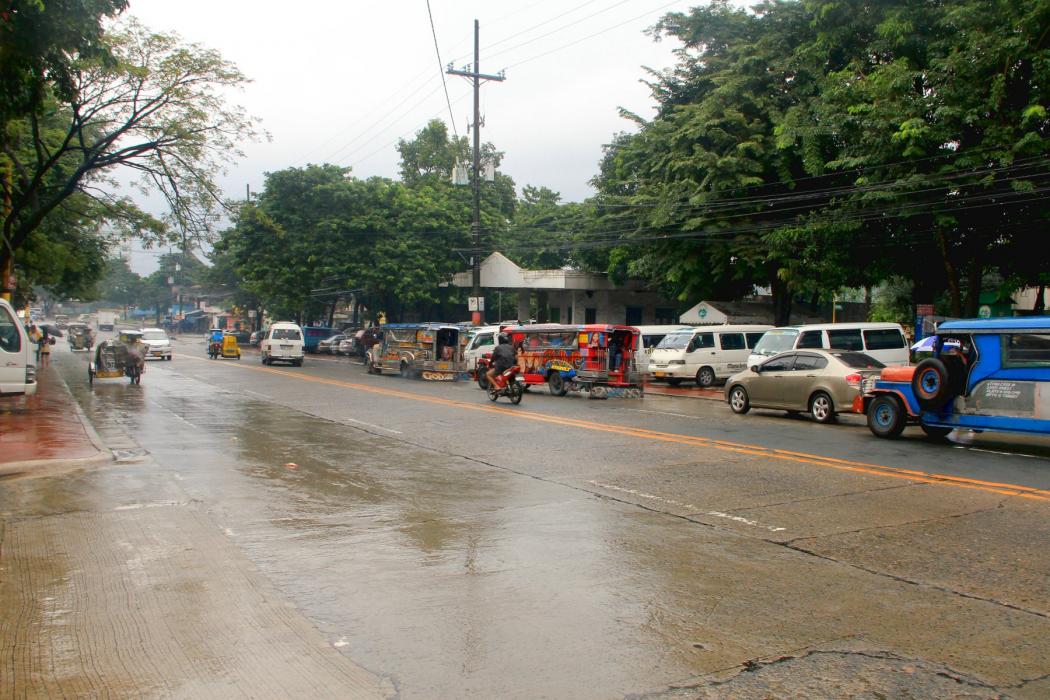

It’s been five days since Maring first tore through vast swathes of the country, but we’re likely to feel her effects for months to come. Some economists and market-watchers are already warning that the rains and widespread flooding could threaten the Philippines’ recent, hard-won economic gains. At least 16 people were killed, and more than a million people in the capital and surrounding provinces have been affected by the floods. More than a hundred thousand people have fled their homes. But what isn’t clear yet is how badly the country’s farms and factories have been hit. The extent of the damage will become more apparent as the floodwaters subside.
Philippine stocks slumped as local markets resumed after a three-day closure, with the benchmark index posting its biggest intraday retreat since October 2008. But traders said they had expected the market to play catch-up at the resumption of trading, tracking the movement of regional markets and Wall Street. Other market-watchers say, however, that while the flooding may curb agricultural production and lead to higher food prices, it’s unlikely to have a significant impact on the country’s economic outlook.
Still, with the political storm over the Napoles-PDAF scandal still raging unabated, the Aquino administration should brace itself for tough times ahead as it tries to rebuild infrastructure, communities and confidence.