
Good news from Paris: The Philippines has won a seat in UNESCO’s World Heritage Committee.
The Philippines won the second highest number of votes to become one of 12 countries represented in UNESCO’s World Heritage list. There were 22 candidate countries and the Philippines got 116 votes, second only to Turkey.
The news comes after a strong earthquake that toppled ancient churches in Bohol and Cebu, and the strongest typhoon on earth that wiped out cities and destroyed old churches in Palo, Leyte and Guian, Samar.
“I congratulate our government and the Department of Foreign Affairs, especially our Philippine UNESCO team who have worked hard for this achievement,” said Senator Loren Legarda, who headed the Philippine Delegation to the 37th UNESCO General Conference.
“Our nation has been devastated by disasters of great magnitude of late. It is unfortunate that several of our heritage structures, some of which are included in our World Heritage Tentative List, have been greatly damaged due to the 7.2 magnitude earthquake in Bohol. That is why we warmly welcome the news of our successful election to the World Heritage Committee. For a nation that is overflowing with rich culture and with natural and man-made wonders, this is certainly a great blessing,” she stressed.
According to the UNESCO National Commission of the Philippines, the World Heritage Committee is responsible for the implementation of the World Heritage Convention, defines the use of the World Heritage Fund and allocates financial assistance upon requests from States Parties. It also decides on properties to be inscribed on the World Heritage List, as well as those to be inscribed or deleted in the List of World Heritage in Danger.
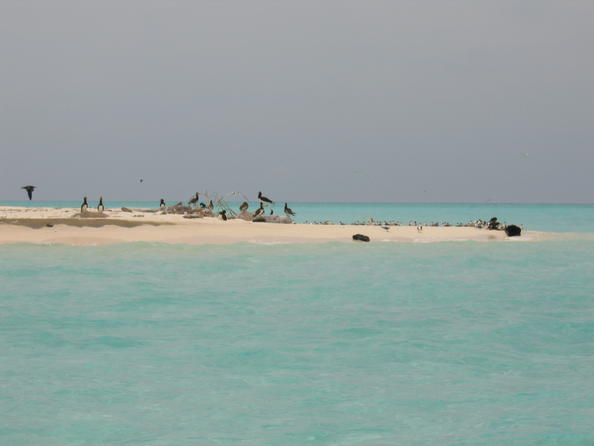
The Philippines has five sites inscribed in the World Heritage List — the Baroque Churches of the Philippines (located in Manila, Santa Maria, Paoay and Miag-ao); the Tubbataha Reefs Natural Park; the Rice Terraces of the Philippine Cordilleras; the Historic City of Vigan; and the Puerto Princesa Subterrenean River National Park.