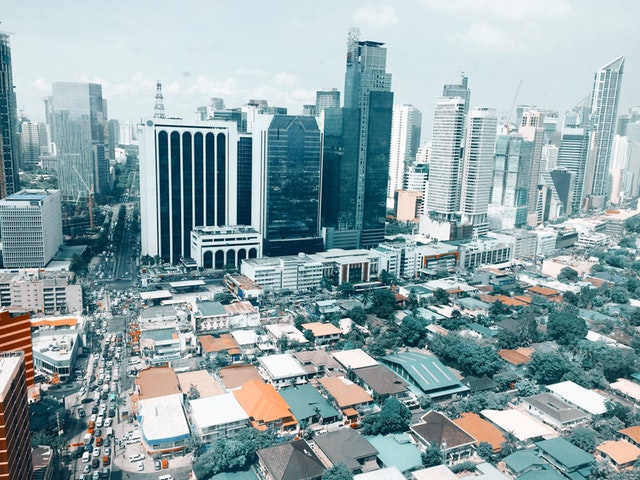

It turns out that people’s doubts were not unfounded, the Philippines’ air quality really isn’t as great as what a recent study had us believe.
At least that’s according to environmental organization Greenpeace Philippines, who said in a statement sent to the media yesterday that IQAir’s AirVisual study showing that the Philippines has the best air quality in Southeast Asia, should be taken with a grain of salt.
“The good ranking of Philippine cities in the global report is not a cause for celebration, as we have the least average number of monitoring stations per city in the region. In fact, the report highlights the urgent need for more comprehensive, governmental, real-time monitoring networks for the public to fully understand the state of air quality in the Philippines,” Greenpeace Philippines campaigner Khevin Yu said.
Many were ready to raise their #PinoyPride flags high after the study revealed on Tuesday that the Philippine city of Calamba, Laguna has the cleanest air in Southeast Asia. Apart from Calamba, 10 other Philippine cities — 7 from Metro Manila — were in the top 15.
IQAir’s study was done with the help of Greenpeace Southeast Asia but the organization’s local counterpart said that the results may not be showing the whole picture.
Because of a lack of clear air monitoring systems in the Philippines, they said the research was only based on 1 or 2 devices in the 16 cities highlighted, many of which are not located near coal-fired power plants.
These power plants are major contributors to dangerous PM 2.5 pollution, which the study was monitoring.
“The report, therefore, represents only a small fraction of the air pollution situation in the country,” Yu said.
“Given the previous alarming studies related to coal emissions, it is imperative to conduct more thorough and comprehensive research in cities near coal power plants and other sources of air pollution.”
According to a 2016 study by Greenpeace Philippines, coal plant emissions could kill about 2,400 Filipinos per year.