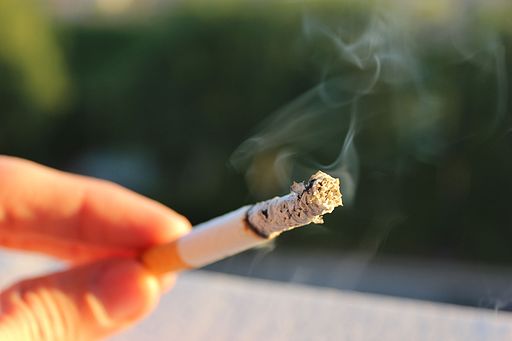

The Department of Health on Friday clarified that the nationwide smoking ban takes effect on July 22, and not July 15 as it previously announced.
“Una, kung pagbabasehan natin yung May 16, petsa na nilagdaan ng ating Pangulo, bukas (ito ipapatupad); subalit doon sa executive order, 60 days after ng publication sa isang major daily,” Assistant Secretary Eric Tayag told ABS-CBN’s Umagang Kay Ganda.
“Nang chineck namin ito, na-publish sa Manila Bulletin noong May 23. Pag nagka-ganoon, sa isang Sabado pa ii-implement, pero pwede na silang mag-practice,” he said, adding that they will issue further clarification on this.
President Rodrigo Duterte in May signed an executive order banning smoking in public places nationwide, fulfilling his campaign vow to impose one similar to what has long been implemented in Davao City, where he served as mayor for over two decades.
Under Executive Order 26, smoking is forbidden totally in establishments such as schools, hospitals, clinics, food preparation areas, and locations in which fire hazards are present.
“Public place, not allowed; public conveyance, not allowed,” said Tayag.
The order allows, however, designated smoking areas (DSA) inside other buildings, which may either be an open space or a separate area with proper ventilation, and where warnings on the ill effects of smoking must also be posted.
If inside an enclosed space, there shall be no opening that would allow air to escape into smoke-free area of a building or conveyance, except for a single door equipped with an automatic door closer.
These areas shall also have a non-smoking buffer zone. The combined area for a DSA and its buffer zone should not be larger than 20 percent of the total floor area of the building or conveyance.
The DSA is also barred from being located within 10 meters from entrances, exits, or any place where people pass or congregate, or in front of air intake ducts. There shall be no more than one DSA in a building, and the chosen area should bear proper signage.
“Persons of authority” should provide these otherwise face penalties, said Tayag.
“Kung may violation po yung nanigarilyo sa no-smoking area, sila po ay mapapatawan din ng violation,” he said.
Those who will be found to have violated the EO may face a fine of up to P100,000 or 6-year imprisonment, in accordance with applicable penalties under Republic Act 9211 or the Tobacco Regulation Act of 2003.
Re-published from ABS-CBN News