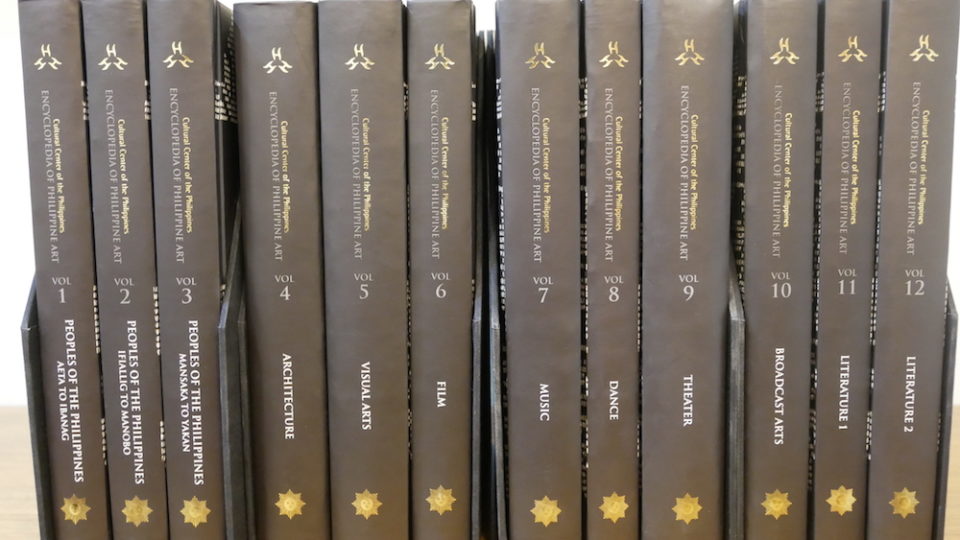

Come November, the country will see the launch of what could be the most extensive resource on the Philippines’ arts and culture.
The Cultural Center of the Philippines’ (CCP) Encyclopedia of Art is a 12-volume set of books that took five years, a budget of PHP45 million (more than US$837,000), and more than 800 writers from all over the country to complete.
This is the encyclopedia’s second edition, with the first being released in 1994. And way before the official launch date, the books are completely sold out.
No one is more surprised with this development than the CCP’s Vice President and Artistic Director, Chris Millado, who only wanted to have an online version of the encyclopedia.
In an exclusive interview with Coconuts Manila, he recalled that head editor Nicanor Tiongson and his team of associate editors protested vehemently when Millado said he only wanted an online-only version.
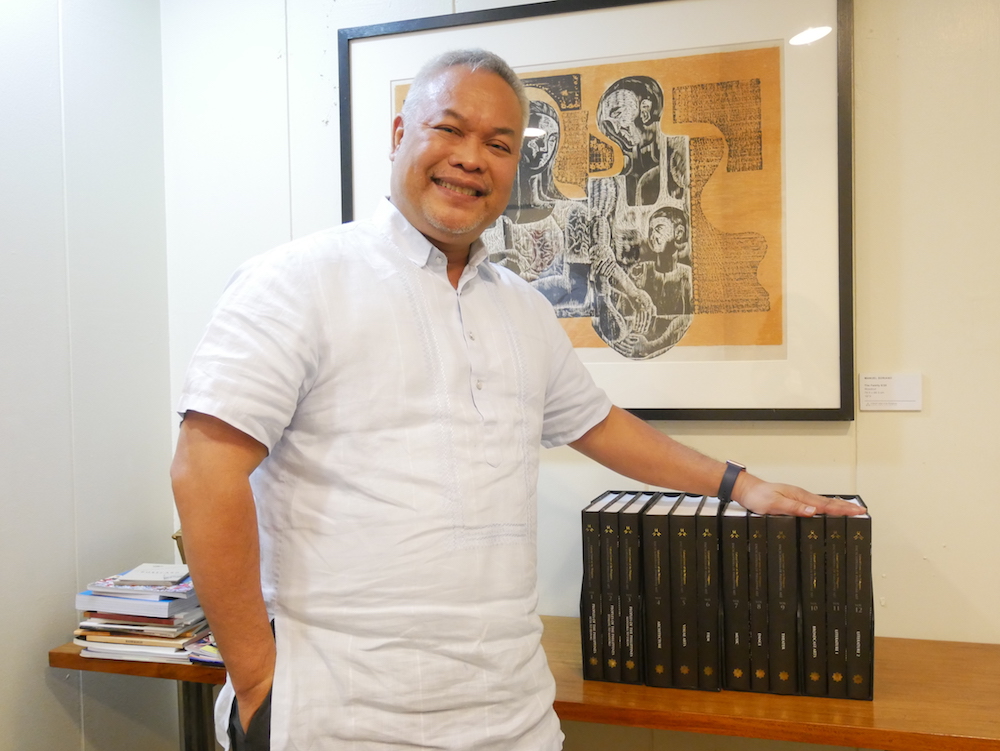
“When I talked to the editors about it, they said, ‘If you’re not going to do a print version, we’re not gonna do it,'” he said, chuckling at the memory.
That gut feeling from his editors proved right — the CCP only has 500 copies on hand (all reserved for buyers) and they’re already taking orders for reprints which will be out next year. Not bad, considering that the books cost PHP50,000 (more than US$930).
That’s a fortune for many of the schools that bought the books, but apparently, that’s an investment worth making. The encyclopedia is impressively comprehensive, and encompasses art forms and disciplines beyond visual art and illustration, such as film, dance, literature, and architecture, among others. It also has entries on significant Filipino artists dating back from the time of national hero Jose Rizal up to 2015.
Millado explained that the original plan was to complete the books in two years.
“[But] we kept postponing because the editors kept finding something new. A lot of stuff had to be updated. Because the first edition was done in 1994. Can you imagine the kind of artistic content that need to be documented like new artists, new works, and developments in the art scene?”
He’s particularly proud of the book on broadcast arts, which was hard for the writers to complete because many of the materials have vanished.
“Many of the stories, [radio and TV] scripts are gone. I don’t know how they (writers) were able to put together certain things but they did. They had photographs from the Second World War,” he said.
One of the challenges that his team faced during the writing was determining who should be included and left out. Eventually, they decided that artists who created work to appeal to the mass market were not included.
He gives the Mabini art movement as an example. Mabini art is somewhat kitschy; they’re the affordable paintings which are sold in the Ermita district of Manila. The movement was mentioned in the books but not their artists.
“[They’re] not equal to someone like [national artist] Benedicto Cabrera. What was different from these two artists was this one (Mabini) was market-oriented. They made paintings to be sold out in the streets while this one (Cabrera and the like) were ruled by their vision to create something and express something,” he said.
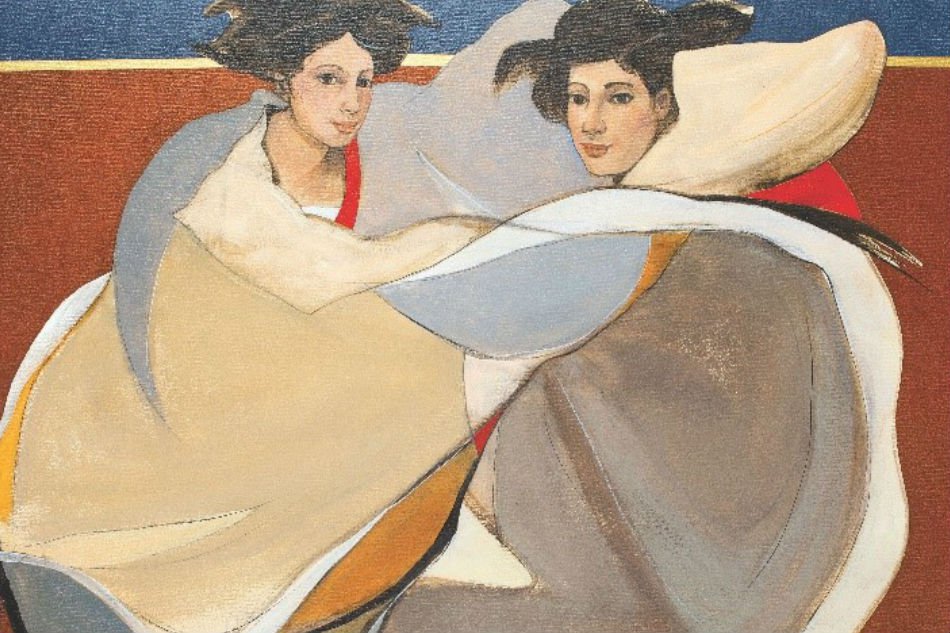
Millado said that the books will give readers a better appreciation of the country’s artworks, some of which have made a significant impact on the Asian and global art scenes. He wants readers to learn the value of our artworks and preserve them.
He said: “In the architecture [book], you’ll see the breadth of architectural landmarks in the country. It’s like you’re saying to people out there: ‘Look, take pride in our architectural landmarks, don’t just destroy them, protect them, and defend them if you can.”
But the CCP’s team is not content with just the books.
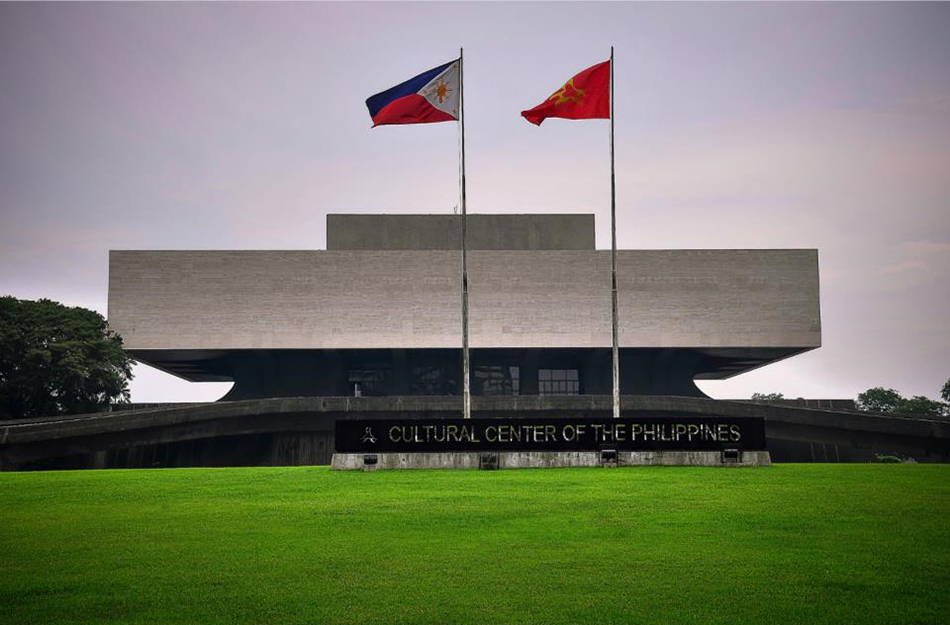
Next year, they will launch Millado’s proposed online version that people can access on a subscription basis, similar to Spotify. To be updated every four months, the online encyclopedia will have more photos, interactive timelines, and audio-visual sections. Subscribers can also print and forward articles they like.
Whether print or online, Millado wants the books to spread the knowledge contained within those volumes. “[We want it] to democratize knowledge in the arts and culture in the Philippines, to make this knowledge available to all, especially to our learners and educators.”










