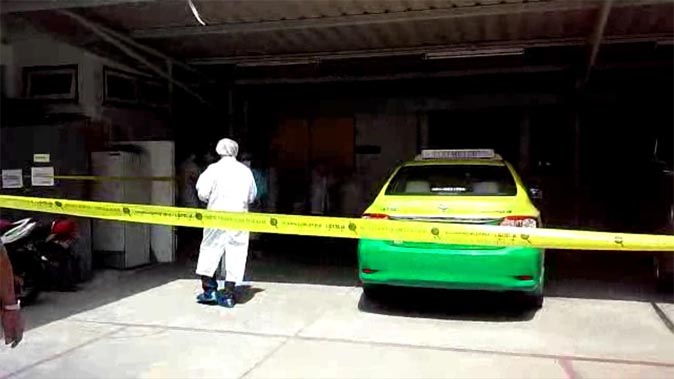

Taxis have become a necessity in Manila’s somewhat chaotic transport system.
Whether these are operated by big fleets or are run by people having just one or two units, their value in helping navigate Manila’s streets is inestimable, except when weather and the traffic (or both) render them useless.
Latest figures from the Land Transportation Franchising and Regulatory Board show there are at least 4,000 authorized taxi units in Metro Manila alone. That figure includes airport taxis, which do not usually serve people not coming from airport terminals. That does not include the illegal or “colorum” cabs that also roam Manila’s streets.
I have spoken to drivers over the five years since I started using taxis more frequently than before. The icebreaker is often how their shift went, and the answers often sway between pessimistic or resigned. Gas prices have made it hard for them to make a profit. This is on top of the mandatory “boundary fee” paid to their operators.
They also face challenges as well, with the occasional drunk passenger providing a particularly messy one when they throw up. Taxi drivers sometimes go the distance, and in recent weeks, I learned of a driver who took a family at an ungodly hour from Manila to Lucena, in Quezon province, on a fixed fee. (Without stops, he claims he spent less than two hours on the way back.)
But sometimes I get gems. The most memorable taxi conversation I had this year was with someone who picked me up from a popular music venue.
I first learned that he would wait for passengers outside music venues mainly to catch the music wafting from them. And as we were about to head home, he told me how he caught wind of extramarital affairs committed by call centre employees. Those twenty minutes were a fun romp.
Of course, one of the troubles with riding taxis (and the chance to interact with their drivers) is getting them in the first place. Before heading off to an art event, I had to wait for a cab for the better part of fifteen minutes. Recently, after a period of beta testing, the GrabTaxi app was launched, and the makers claim that it will make things easier for commuters and drivers.
The app, which runs on GPS-enabled smartphones, enables users to “call” a cab by tapping a destination on a map. In turn, taxis “bid” on their end to get the passenger, provided that they are within a short distance of that passenger.
Once a driver chooses to pick up a passenger, the passenger can track where the taxi is before being picked up. The creators of the app began this in Malaysia (under the name MyTaxi) but realized that demand for such things was strong in the Philippines, where smartphones are common and convenient cabs less so.
Anthony Tan, GrabTaxi’s founder, said at a recent media event that the app will “help passengers [and] help [taxi fleet] members.”
He said the initial skepticism when the project started in Malaysia had been overcome and he is optimistic about the Philippine experience.
The biggest doubt was whether drivers were capable of using smartphones, and in Manila, this was overcome with GrabTaxi’s own staff coming over to partner fleets and training them in the use of smartphones.
The app works at present on Android and iOS, and the driver I rode with on the way to the media launch seemed to be pretty much at ease at using a Samsung unit. (He even had the Waze traffic navigation app, which even tells Metro Manila drivers where traffic cops are located—even in hiding.)
I asked him whether there were any incentives for using GrabTaxi. He explained that the firm gave a reward in rice packs for fulfilling a certain number of service requests, on top of rice incentives his taxi company offered for good performance (always fulfilling boundary fees, etc.).
GrabTaxi charges a fee of PHP 70 on top of the metered fare for every transaction made, which is comparable to service fees one or two fleets I know charge for sending you a cab through their dispatching center. These fees are split between the company and the participating taxi fleets.
However, the service still has limits. Following the media event, some passengers had trouble, even with the app, getting a cab back. At present, two of the bigger taxi fleets I know are not yet part of the network. GrabTaxi admits they need to work on these challenges and others too.
One thing became clear in my time traveling with taxis, and this is something GrabTaxi emphasizes too. No matter how many difficulties taxi drivers face, we use cabs in Manila on the basis of trust.
Drivers trust that passengers will deal with them respectfully and cordially (and hopefully tip them if their service is excellent). Passengers trust that drivers will deal with them the same way and most of all take them safely to where they will be.
Perhaps relationships of trust are what will count when it comes to solving the bigger transport problems Manila faces.