
Millennial motherhood is an interesting phenomenon.
Nowadays, young moms raise their kids with the help of tips from the trusty search engine Google, advice from relatives abroad via Viber, and online mommy groups formed on Facebook.
The nice thing about it? Moms now have access to an abundance of information which allows them to make empowered choices for their children.
It all starts with pregnancy and the birthing process.
For many, giving birth is filled with stories of horror, especially in a country like the Philippines where the government can’t even regulate some of the public hospitals. Quite a number of mothers experience childbirth trauma, but it is rarely talked about.
Thankfully, it doesn’t need to stay that way.
A group of women from Pinay Doulas Collective has a mission to make childbirth less fearful.
Through their advocacy of gentle birth, they are giving mothers a voice. It’s such an organic but meaningful way of asserting the rights of women.
What makes a gentle birth? Why is it important?
“We want the birth process to be as gentle as nature intends it to be…trusting bodies to do what it intends to,” said Patricia Soliman, a Birth, Fertility and Postpartum Doula.
Contrary to common belief, gentle birth does not always equate to a natural, unmedicated, vaginal birth. It is all about allowing mothers to take active participation in the process of giving life. It happens when the mother’s rights are respected and her expectations are met by her attendants.
They want to normalize birth that is gentle, positive, beautiful… verging on miraculous.
Gentle birth isn’t just some “new age” trend that shuns all form of medication. Even a caesarian birth can be gentle. The important aspect is informing mothers of the choices they have and giving them a chance to speak up.
“Open communication with health care providers are important for achieving a gentle birth,” Patricia adds.
Gentle birth promotes a pleasurable birthing experience that mothers can recall with joy and acceptance. It creates a positive environment for labor, delivery and postpartum. This highlights how birthing and motherhood should be a celebration of life.
The Pinay Doulas Collective has created a safe place for mothers where “women help other women”. No judgements, no shaming. These trained doulas help birthing mothers stay calm, confident and in control from pregnancy onwards.
Doula is a Greek word which roughly translates to a woman’s servant. As Patricia expained, there are different kinds of doulas for the different needs of the mothers. This kind of support system makes pregnancy and birthing a community event where a mother won’t feel isolated and alone. Supportive attendants are important in the whole process from pregnancy to postpartum.
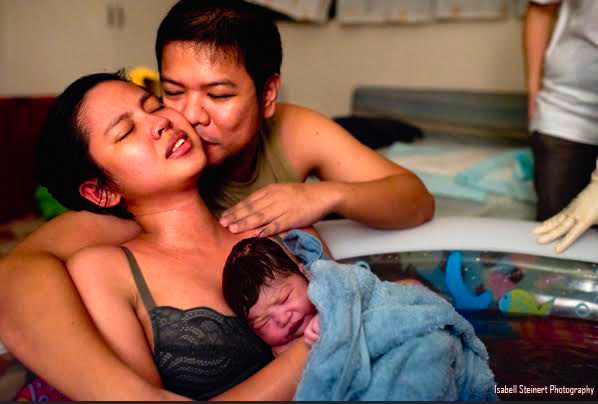
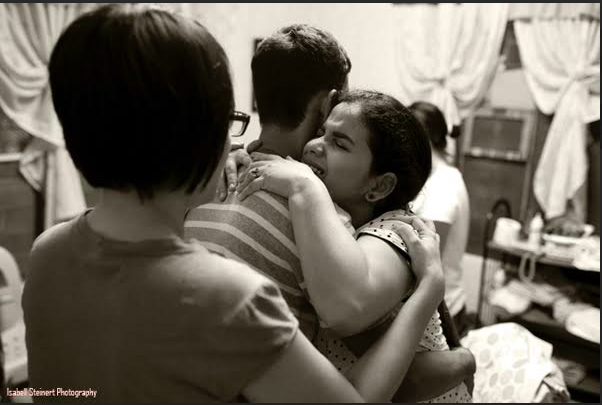
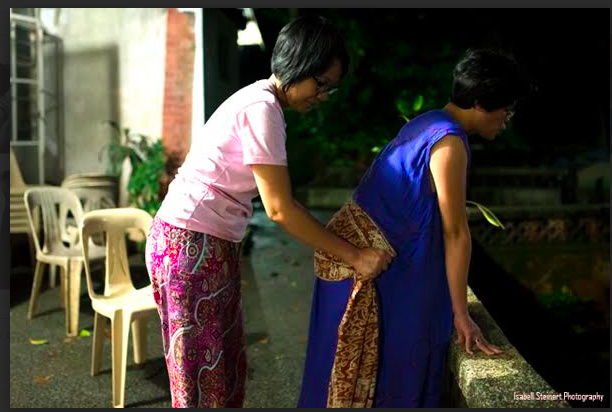
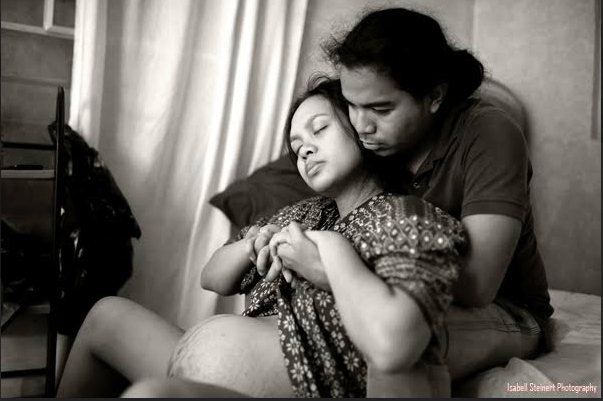
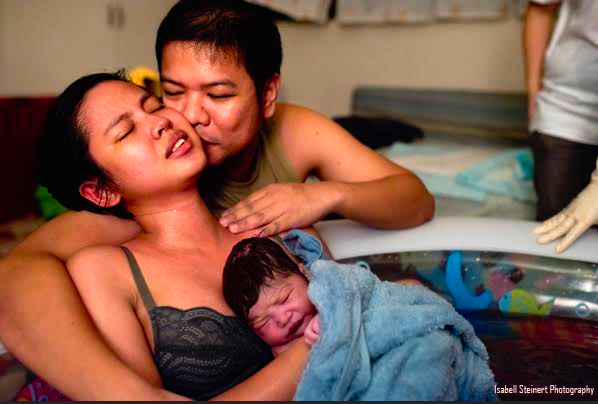
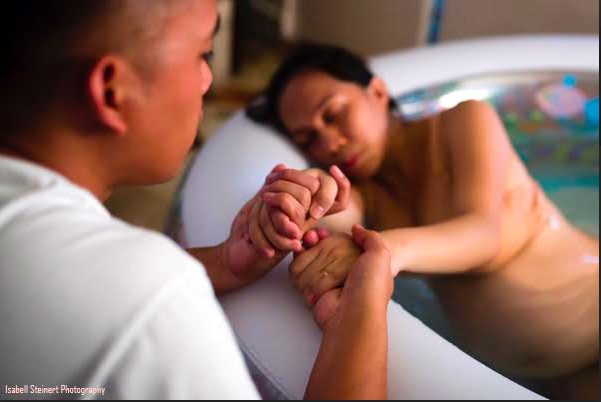
To show us just how beautiful gentle birth can be, here are some of the moments captured by Isabell Steinert.
Using her camera, she “encourages other pregnant moms to look into their birth options and make their own birthing choices.”
“I try to help wherever help is needed. Photography is one of my responsibilities within the ministry. I have been fascinated by birth ever since I attended my first birth at Shiphrah Birthing Home in Taytay, Rizal,” Isabell said. “It was so different from anything I had known about birth through often fear-based images in the media or through stories I had been told from friends and family.”
Her photos are stunning and powerful… a reminder of how strong and beautiful mothers are.

Patricia Soliman is a birth, fertility and postpartum doula from the Pinay Doulas Collective. To know more about their advocacy and services, visit their Facebook page or send an e-mail at pinaydoulascollective@gmail.com
Isabell Steinert is an advocate for women- and family-centered birth and serves as missionary photographer at Shiphrah Birthing Home in Taytay, Rizal. To see more of her work, visit her website and follow her on Facebook or Instagram.