
A medical expert says dengue fever in Malaysia has reached pandemic levels because of public apathy.
Up until November 8, there have been 88,806 reported cases of dengue in 2014, a massive increase from 31,170 during the same period last year.
Dr Muhammad Hazizi Muhammad Hasani, operations director at the Malaysian Integrated Medical Professionals Association (Mimpa) said, “Most Aedes breeding grounds formed out of human negligence.
“Residents around dengue hotspots refuse to change their habits and that is causing the number of dengue cases to rise every day.”
Dr Muhammad Hazizi leads a team of 300 volunteers helping to destroy mosquito breeding grounds in and around KL every week, so he probably knows more than most – and might be rightfully frustrated with the current situation.
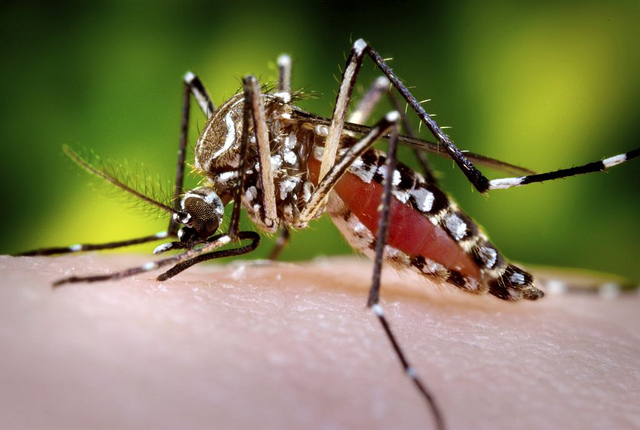
He added that low-cost flats were the most common breeding grounds for the Aedes mosquito, which carries the dengue virus.
“I guarantee you will find stagnant water below staircase landings, near the central water tank, and dish washing areas,” he told The Star Online‘s Adrian Chan.
He urged flat residents to form teams tasked with checking for water ponding around their apartment buildings.
“Just spend 10 minutes a week to check whether the central water tank or your toilet is properly sealed.”
With only 300 volunteers working with him, Dr Muhammad Hazizi admitted that Mimpa was facing a manpower problem in tackling the dengue pandemic. The teams they have on rotation can only clean four to five hotspots a week.
He said his organisation was looking at bolstering the number of its volunteers to 1,500 people, through a collaborative effort with local universities.
“Universiti Malaya’s Faculty of Built Environment has created a volunteerism course for students who can earn credit points by joining Mimpa’s dengue fight,” he said.