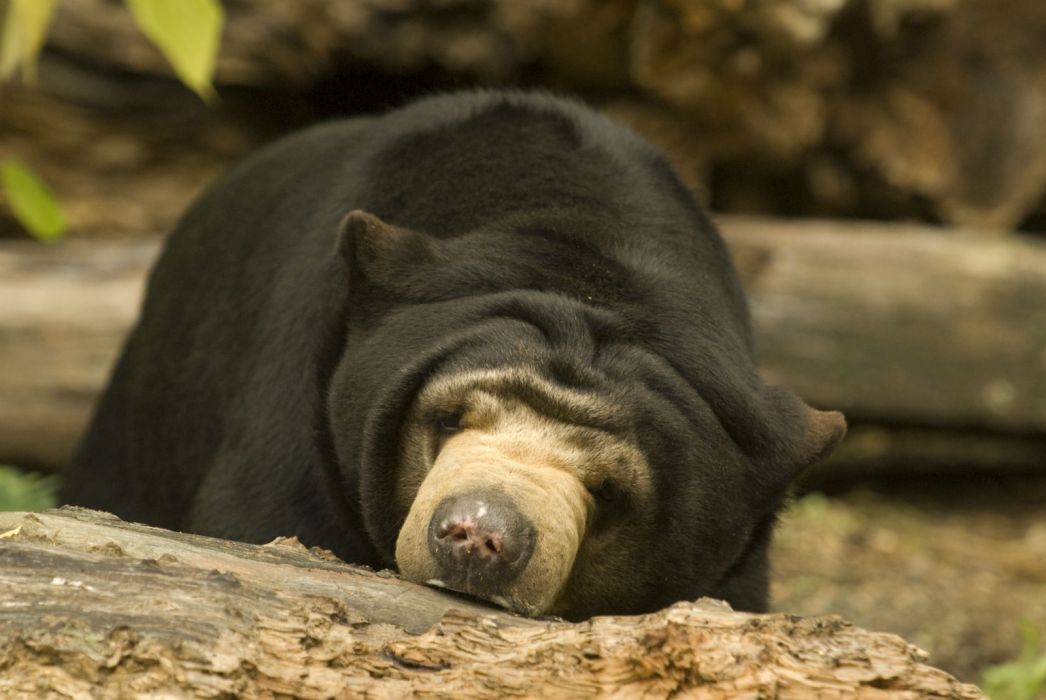

It’s always nice to be near the top of the list at something, but maybe Malaysia shouldn’t be gunning for the top spot on this one: we’ve been ranked fifth out of 17 Asian countries for, of all things, bear trafficking, whose organs are used for traditional medicine.
Over a 12-year period beginning in 2000, a total of 38 cases were recorded of bear and bear part trafficking in Malaysia, says a report cited by Bernama.
The report, titled ‘Brought to Bear: an Analysis of Seizures across Asia’, details how bears and bear parts were recovered during the 12-year period.
Leading the recorded instances of illicit bear and bear part trade in Asia are Cambodia (190 cases), China (145), Vietnam (102), and Russia (59).
With 38 cases, Malaysia is in a worse position than Thailand (29 cases), Laos (29), and India (23).
Dr Chris R Shepherd, regional director of international wildlife trade monitoring network Traffic, said that at least 2,801 individual bears were traded across Asia over the 12-year period, for reasons ranging from stocking up bile farms for traditional medicine, to supplying the illegal pet and dancing bear market.
Shepherd said bear parts and organs were also traded as highly-valued home decorations and trophies.
“A staggering illegal trade in bears and their parts persists in the region which sounds the alarm on Asia s ongoing widespread bear trade and the need for immediate international action,” he added.
Under the Convention on International Trade in Endangered Species of Wild Fauna and Flora (Cites), all international commerce in bear parts and products are illegal.