
We didn’t need another reason not to wear the Hong Kong government’s free, too little too late, underwear-resembling masks. But here we are.
Research shows that the mask’s poor water repellency could lower its filtering capability after multiple washes, according to Now TV. A study done at the Chinese University of Hong Kong (CUHK) shows that water droplets are able to seep through both the outer and antimicrobial layers of the mask after being washed with soap and water for 50 times.
“The situation is not ideal if water are able to seep through [the outer layer], which isn’t covered by the filter layers,” said Dr. Pang Kam-moon, a senior science lecturer at CUHK’s General Education department.
Water droplets are also able to seep through the antimicrobial layer after 30 washes—half the number of times that authorities say the mask is good for.
Authorities said in May that it would be distributing free, reusable masks to all Hong Kong residents. The announcement was met with derision, with many saying that the move is so delayed that once-scarce masks are now widely available at pharmacies and the epidemic has largely stabilized in the city.
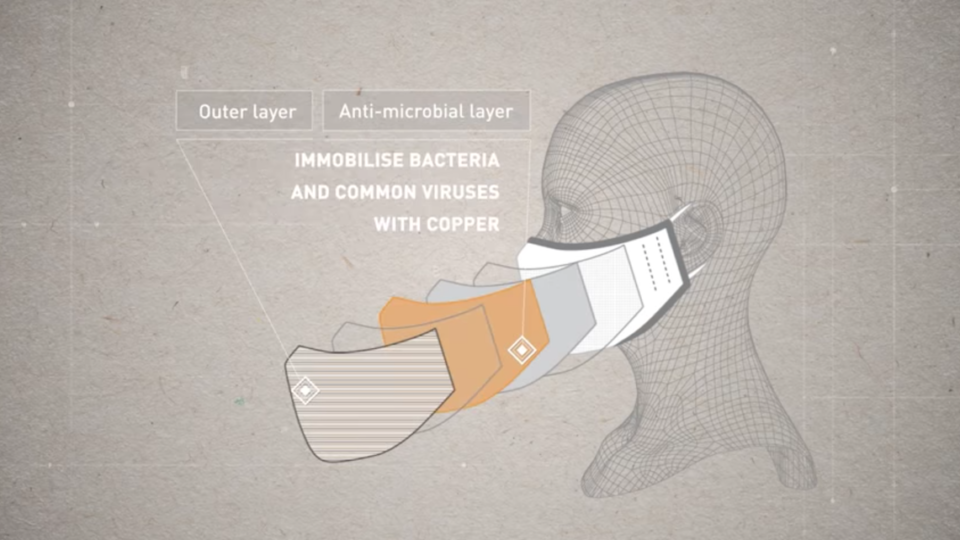
The six-layer mask, named CuMask+ for the copper it contains, can help with “immobilizing bacteria, common viruses and other harmful substances” and can be washed up to 60 times before replacing its filter, according to a government website.
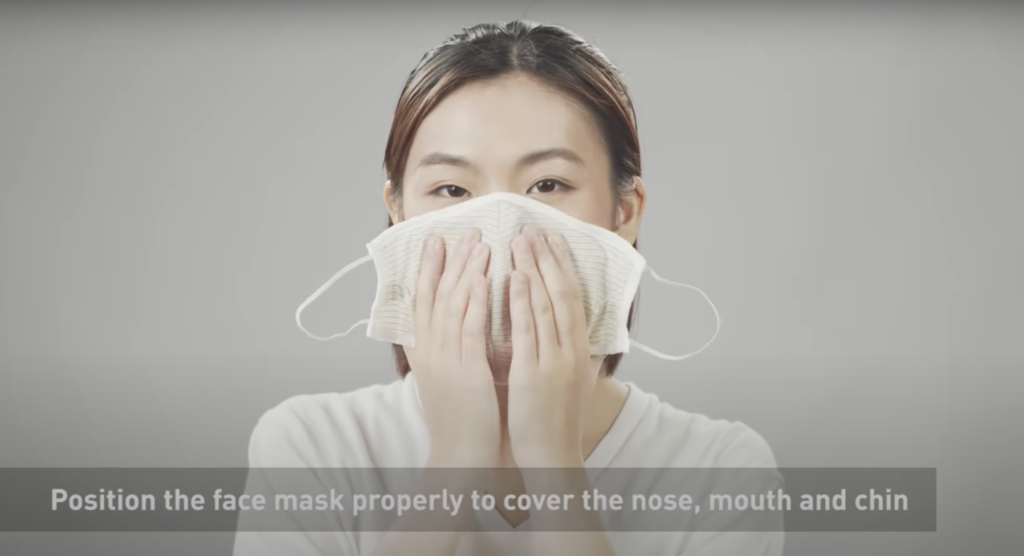
Pang said the inability of the mask to effectively repel water could lower the protectiveness of the mask. COVID-19’s main route of transmission is through respiratory droplets.
The Hong Kong Public Doctors Association has advised citizens not to wear the CuMask+ in areas such as clinics and hospitals due to its reusable nature. If the mask is not thoroughly cleaned after each use, the wearer could risk catching the infection, the association says.










