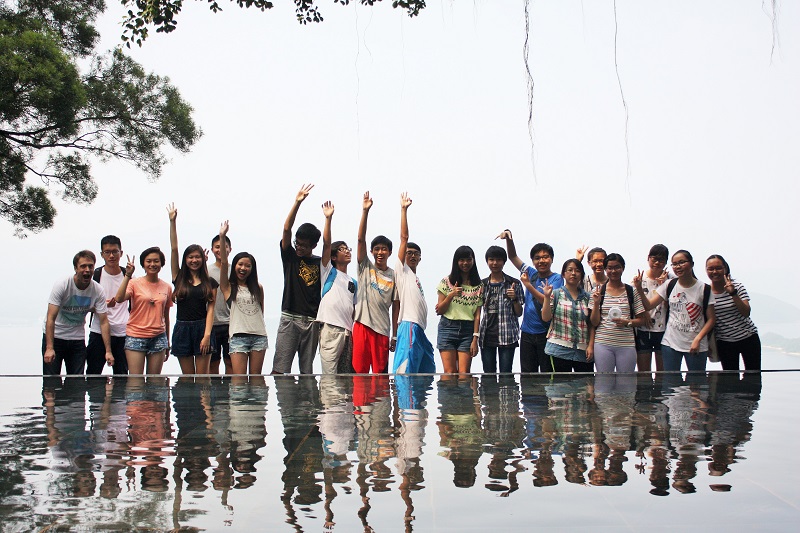

Dubbed “Asia’s world city”, Hong Kong has always been an attraction for worldwide talent and famous for its cosmopolitan demography. But how well are local students prepared for an international environment?
Interestingly, it’s a young man from Germany who has decided to dedicate himself this cause. Born in the little village of Reichenbach unter Rechberg (west of Bavaria), Till Kraemer, 28, graduated from Oxford University before travelling and volunteering in the UK, Germany, Russia, Singapore, Thailand, Cambodia and Taiwan. In 2011, he eventually settled down in Hong Kong and created his own dream job.
Intercultural Education (ICE) endeavours to enrich the prospects Hong Kong’s youngsters by teaching them about the rest of the world through workshops, seminars, and sharing with young expats. The enterprise currently collaborates with the UNHCR, UNESCO, local universities and an array of secondary schools.
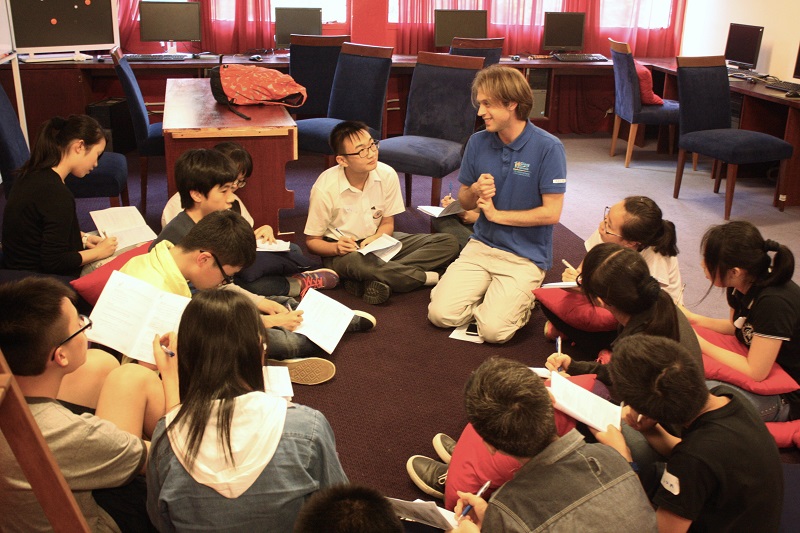
“Adopted third-culture kid”
Calling himself an “adopted third-culture kid”, Kraemer told Coconuts HK his adventure was never planned. “In my hometown, people were very narrow-minded about the world… I wanted to do more, but my family did not have that much of money,” he explained.
However, Kraemer’s dream of exploration finally came true when at 17, he was invited on a trip to India with a friend. It was there that he claims he “fell in love with the world”, sparking a wave of curiosity that drove him to the top his class and, ultimately, a scholarship to Oxford University.
“I’ve met lots of people from all around the world. Though very fascinating, I found many of them still look at the world very much through their own perspective and are not equally involved in other countries, places, or cultures,” he said.
Once in the Fragrant Habour, Kraemer met Hong konger Freddy Law from the student organisation AIESEC, and their shared passion for global citizenship led to them joining forces to create ICE. Freddy has since left ICE, leaving Till to run the show.
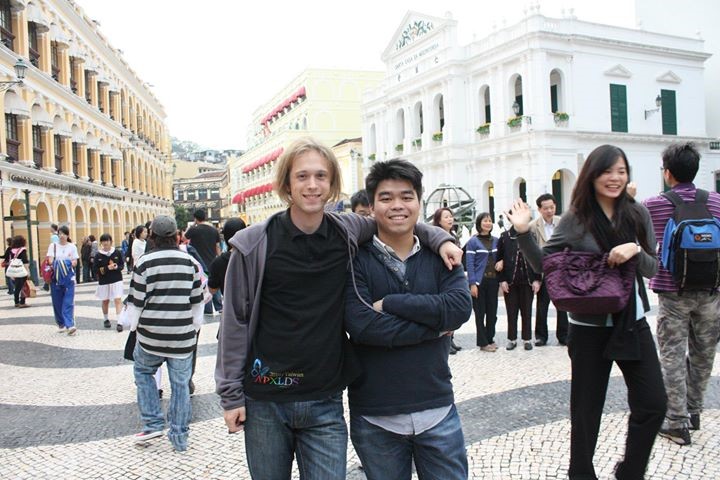
How “International” is our World City?
“Hong Kong is very international on paper”, Kraemer says. “Most people born here grew up very locally, with the vast majority spending their time in some housing estate that has everything. The only non-Chinese person they talk to could be their native English teacher who they can’t exactly consider a friend, which limits their perspectives a lot”.
The raison d’être of ICE was therefore to link Hong Kong’s varied cultures together through fun, games and exploration.
“We want to change people through experiences… Hong Kong people learn enough facts, so better than facts are dramas and simulations.”
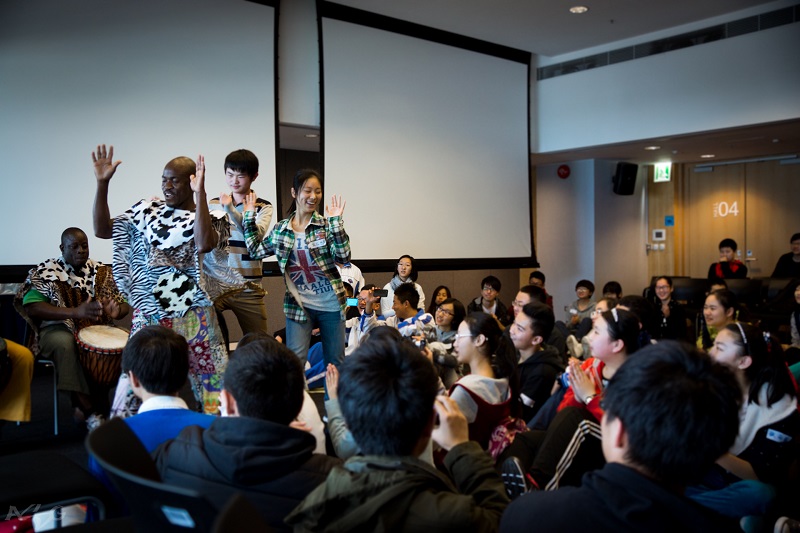
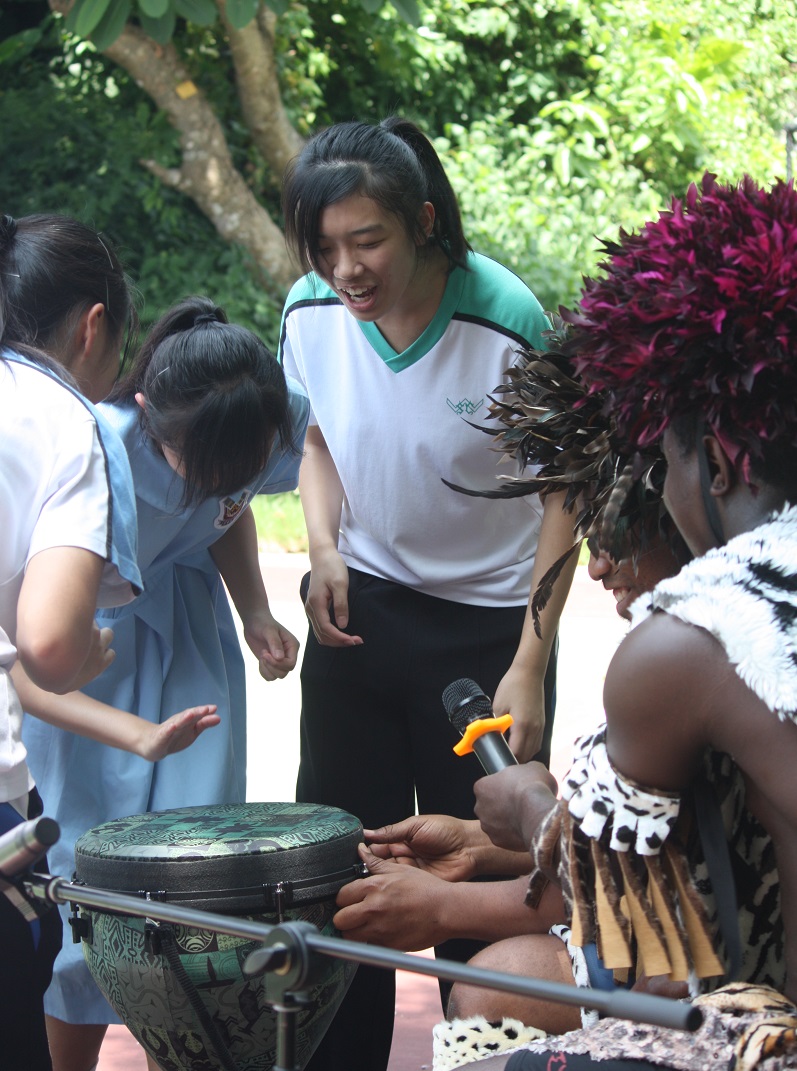
Kraemer guided us through a so-called “coffee bean simulation” he ran with the high school students as part of a workshop. The idea was to allow students to experience the work of a poor West African coffee farmer. When trying to peel and sell coffee beans in the hypothetical situation, students may find their efforts influenced by price or demand-supply fluctuations – all of which happen in real life.
Kraemer hopes the students will remember what they learnt in the sessions and look at the world and the news differently going forwards.
“I don’t think we can change the world by liking or sharing certain things on Facebook. The biggest impact is remembering your experiences and seeing successful people as role models who are responsible global citizens – it’s like planting a seed.”
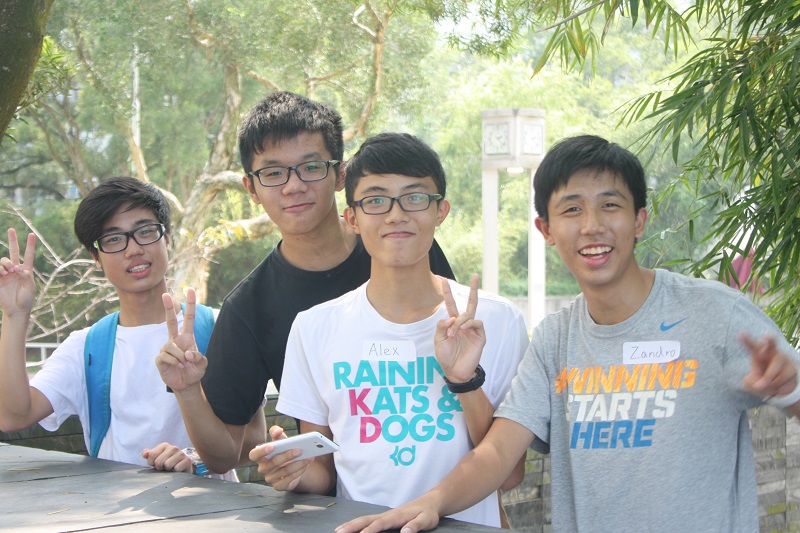
Students vs. the World
Besides the individual-level constraints placed on Hong Kong students is the generation gap. Althoug the youth are arguably closer to one another than before, their conflict with the older generation has become more apparent, Kraemer insists.
However, he says getting parents to sign their kids up for ICE has never been a problem. Apparently, all he needs to do is tell parents the organisation can provide “tips for getting into Oxford”.
The 28-year-old’s ideal picture of Hong Kong is a city with a more integrated society, where people from different backgrounds – locals, expats, mainland Chinese and domestic helpers – can understand one another and feel connected.
“It all starts with building friendships. People are instinctive – they care about their family and friends more,” he said.
Youth and politics
As the interview drew to a close, the young German made a special mention of 2014’s Umbrella Movement, and how Hong Kong students collaborated to voice their opinions.
Yet Kraemer is not entirely optimistic about Hong Kong’s future. In the long term, he thinks the ambiguity with mainland China will cause problems for the territory unless both sides can forge friendship and understanding. 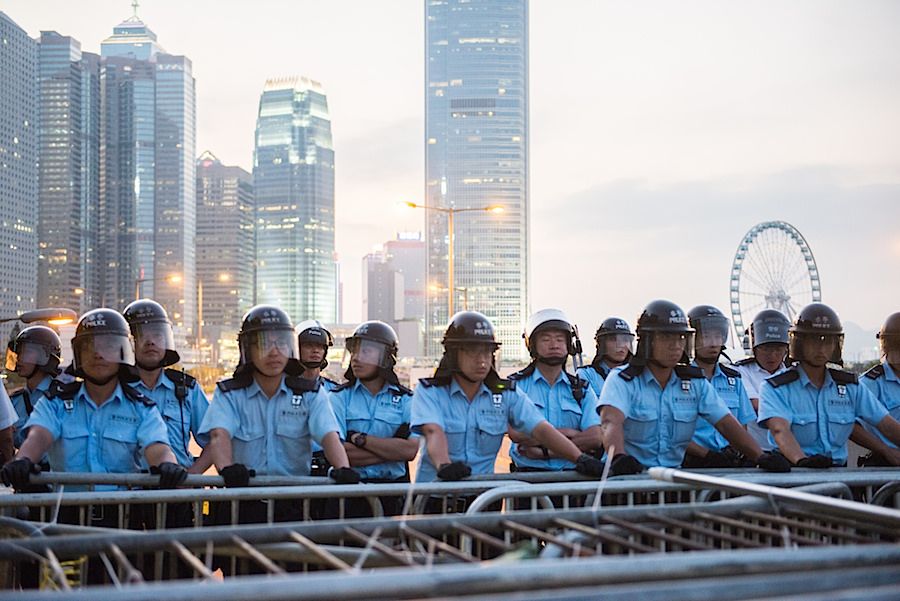
“Young people have an even stronger sense of identity and opinions than their parents; you can see how much they care about political freedom. There are too many old people in the Chinese government that do not understand this, however, so young mainlanders must come together with young Hong Kong people and see how to build a future together.”
Pictures supplied by interviewee and Coconuts Media