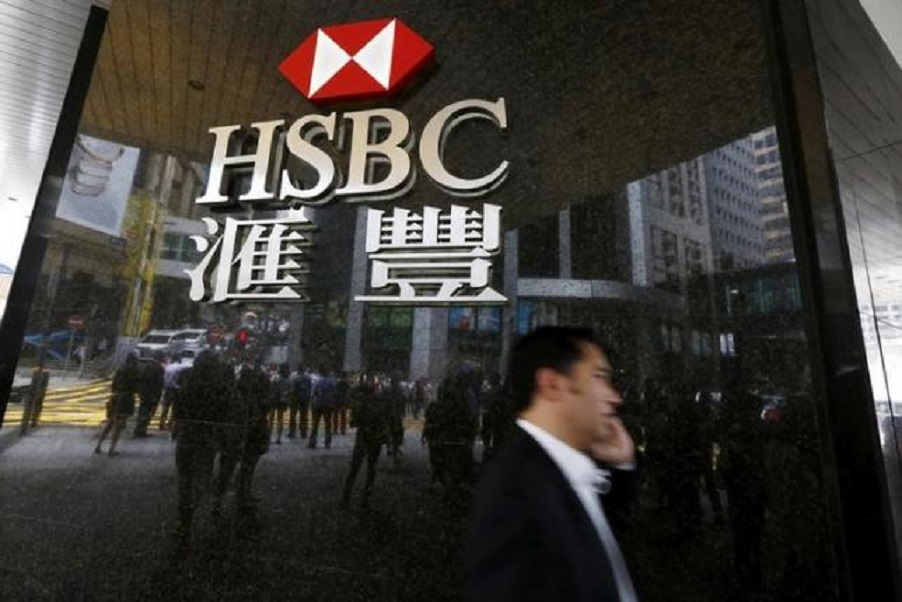

HSBC has introduced stricter rules for the use of safe deposit boxes in Hong Kong, which customers use to store valuables but which are at risk of being abused for money laundering and terrorism financing.
Safety boxes offer clients who lease them the possibility to store items such a jewels, art or any other valuable in a private and highly secure place, for instance a bank’s vault.
Yesterday, the bank apparently contacted clients to say it has the right to dispose of any illegal or “offensive” items stored in safe deposit boxes without prior notice or consent, according to the SCMP.
“The nature of a safe deposit locker means it has the potential for misuse for criminal purposes,” an emailed statement said.
“We have introduced several clauses to the conditions of lease for safe lockers to further strengthen our defenses against financial crime and to enable us to co-operate with law enforcement agencies when required.”
HSBC, which is also Europe’s biggest bank by assets, did not elaborate on the changes that it was introducing or whether the new terms were being changed elsewhere.
But it said the new, stricter rules, would apply also to old-time customers who started to lease the safety locker before December 18, 2014.
A report commissioned by the federal government of Switzerland highlighted in December how in certain circumstances safety boxes can be vulnerable to financial crimes.
HSBC agreed in 2012 to pay USD1.92 billion (HKD14.9 billion) in U.S. fines for failing to stop hundreds of millions of dollars in drug money from flowing through the bank in Mexico, and has promised to fix the problems.
The bank, which has also been caught up in a tax evasion scandal at its Swiss unit, has since been carrying out a thorough exercise to upgrade its compliance and risk globally.
HSBC said it was reaching out to customers asking them not to deposit any property of illegal nature such as illegal drugs, offensive weapons, stolen property or guns.
Holdings which could become a nuisance, for instance explosive, were also not allowed.
Words: Reuters, with additional reporting by Coconuts Hong Kong
Got a tip? Send it to us at hongkong@coconuts.co