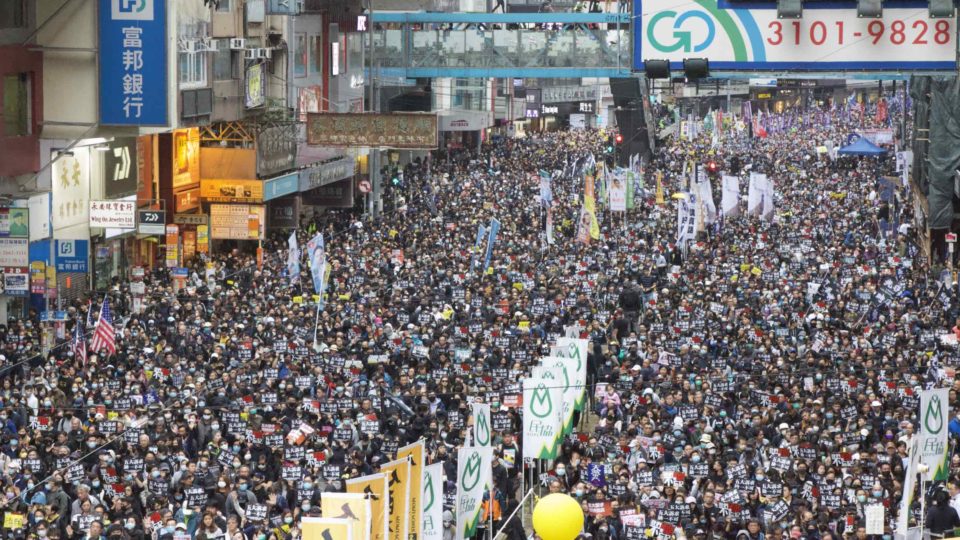

After months of anti-government protests, Hong Kong is facing a “major mental health burden” thanks to spikes in depression and post-traumatic stress to levels more commonly associated with warzones and natural disasters, according to an unprecedented new study.
For the 10-year observational study, published by the British medical journal The Lancet yesterday, researchers from the University of Hong Kong surveyed thousands of adults on nine separate occasions starting in 2009, including around the time of the 2014 Umbrella Movement and the current wave of anti-government protests, which began in June.
The researchers found that the number of adults reporting symptoms of depression in 2019 was 11 percent, up from just under 7 percent in 2017, and just under 2 percent from 2009 to 2014. Even more shockingly, however, the study found that the proportion of adults reporting symptoms of PTSD had jumped from a mere 5 percent in 2015 to just under 32 per cent between September and November of this year.
NEW—The ongoing social unrest in Hong Kong may be affecting the mental health of the general adult population—potentially leading to substantial increases in demand for mental and psychosocial support services: finding from a 10-year observational study https://t.co/mpZ1TAM772 pic.twitter.com/tdqXtOquts
— The Lancet (@TheLancet) January 9, 2020
That time period saw some of the most intense scenes of the months-long movement, including a teenager being shot in the chest by a police officer during chaotic National Day protests, the invocation of draconian emergency powers to implement a controversial face mask ban, the deaths of a protester who was injured in a fall and an elderly cleaner caught up in a street clash, and the prolonged, pitched battles between police and protesters at the city’s university campuses, among other things.
The researchers concluded that “one in five adults now reports probable depression or suspected PTSD, which is comparable to those experiencing armed conflicts, large-scale disasters, or terrorist attacks.”
In what is perhaps an unsurprising wrinkle for the world’s first protest movement to be endlessly livestreamed, the study also found that Hongkongers who spent two or more hours a day monitoring news on social media platforms like Facebook, Instagram, Telegram, and LIHKG were at heightened risk of PTSD and depression.
They went on to warn that Hong Kong was “under-resourced to deal with this excess mental health burden,” and predicted a 12 percent rise in demand for mental health services in the SAR.
Hong Kong’s protest movement began in earnest in June as Hongkongers took to the streets to demand authorities withdraw a widely loathed that would have allowed extraditions to mainland China to face trial. Although the bill was belatedly withdrawn, months of intransigence on the part of the local government allowed the movement to snowball into a call for wider political reforms and an independent commission of inquiry into police brutality against protesters.