
After more than a year in the making, the Hong Kong Architecture Centre (HKAC) has announced the “10 Most Liked Hong Kong Architecture of the Century” as voted by the people.
The campaign was launched last year to increase Hongkongers’ appreciation and recognition of the city’s urban design examples, and to mark the 10-year anniversary of the HKAC.
The public were invited to vote for their 10 favourite pieces of Hong Kong architecture from a shortlist of 100 structures. The voting itself took place from January last year and February this year, with the results announced on Friday.
Though the organisers initially expected around 4,000 votes, they ended up tallying more than 15,000, showing we Hongkongers really do care about our cultural heritage after all. Fancy that!
Here are the winners, in no particular order.
1. Chi Lin Nunnery
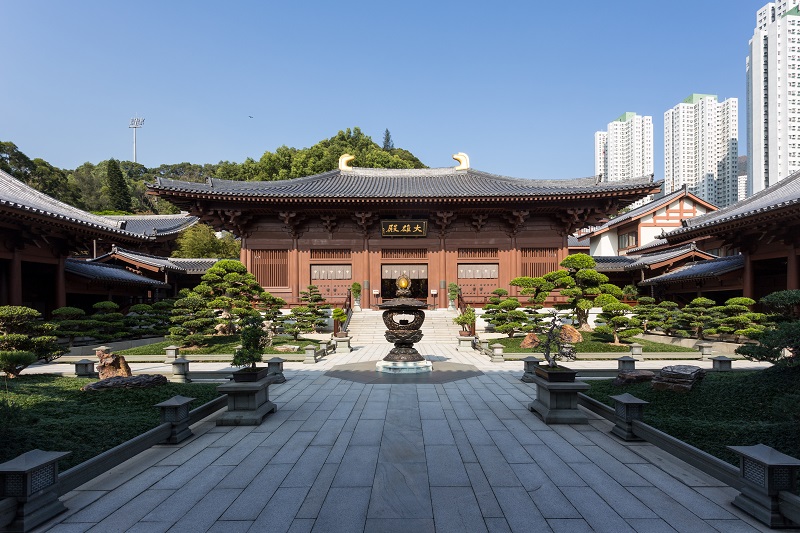
This Buddhist temple complex comes complete with ornate bonsai arrangements and serene lotus ponds that refresh the mind and soul after the hustle and bustle of metropolitan life. The nunnery was built in 1934 and was later redesigned in 1990 in the style of the Tang Dynasty architecture, using simple wood frames and no iron nails.
2. Hong Kong International Airport
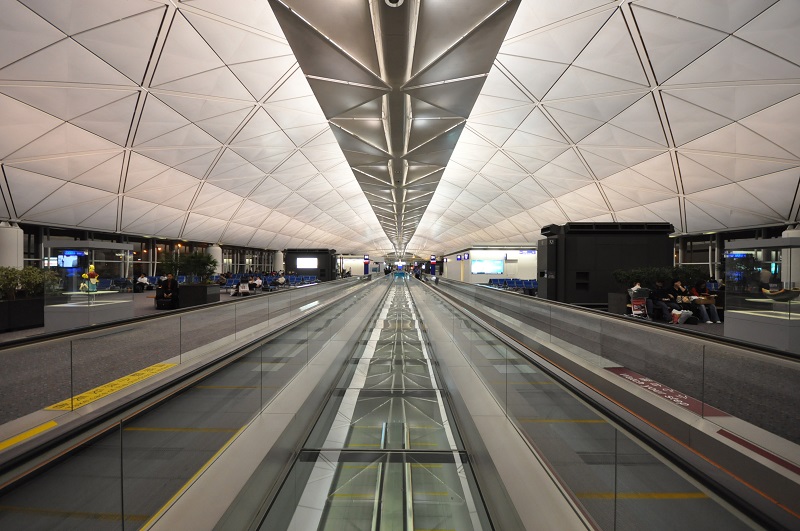
The Hong Kong International Airport was built as a replacement of the infamous Kai Tak airport. Designed by Lord Norman Foster, the state-of-the-art structure was erected entirely on reclaimed land off Lantau Island. Exemplary design and strong service records continue to make Hong Kong International one of the best airports in the world.
3. Kowloon Walled City
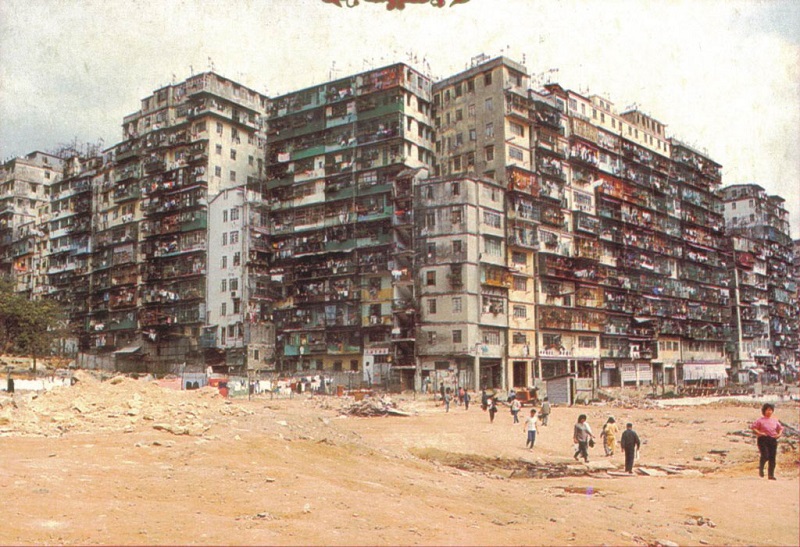
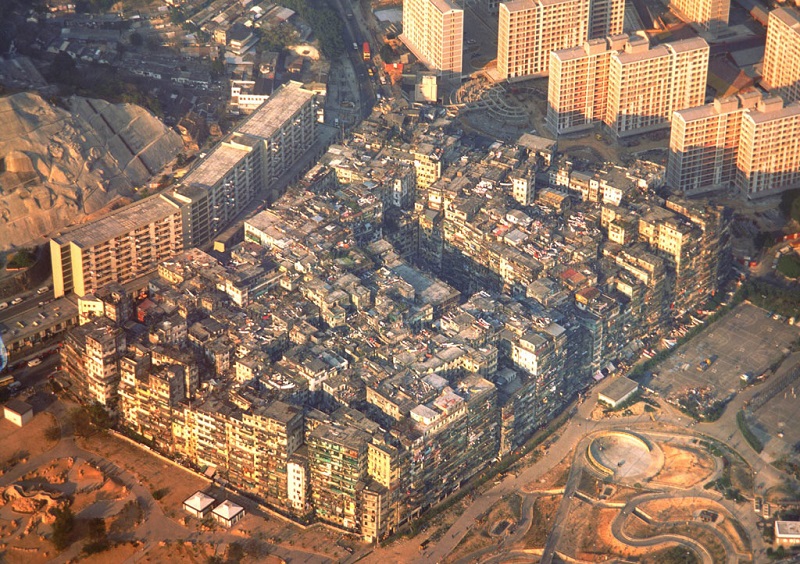
Originally a Chinese military outpost, the Kowloon Walled City became a crime haven in the 1970s due to the lack of government enforcement from both the British and the Chinese. Organised crime syndicates such as the triads thrived in the environment that became a centre for prostitution, gambling and drug use. By the late eighties, largely only the myth of such activities remained, and the densely populated city housed around 33,000 people. It was demolished in 1993, but lives on through numerous film and photography projects, as well as our collective memory.
4. Lui Seng Chun
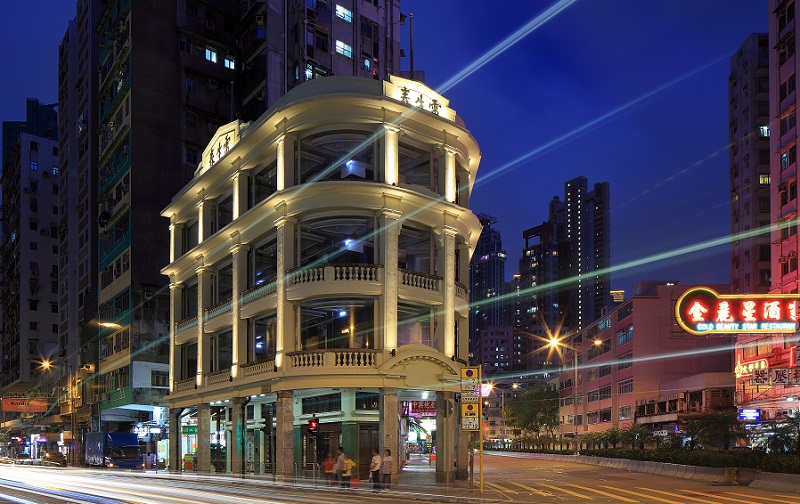
Built in 1931 by local architect W. H. Bourne, the traditional four-storey tong lau successfully integrated the Chinese and Western architectural styles prevalent in the early 20th century. Like all tong laus, the ground floor of the structure was designated as a retail area while the upper floors served residential purposes. The building now operates as the Hong Kong Baptist University School of Chinese Medicine.
5. The University of Hong Kong, Main Building
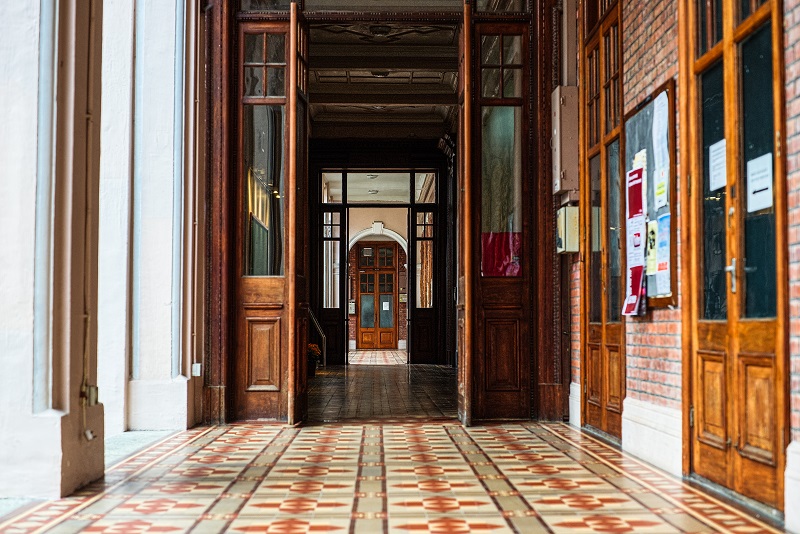
Designed by Leigh & Orange Ltd., the Main Building of Hong Kong University was built in a typical Edwardian style. As the oldest structure on the main campus, it once housed all the departments of the university. In 1984, it was declared a monument by the Hong Kong government. Currently, it serves as a venue for major events and ceremonies of the university.
6. The Peak Tram
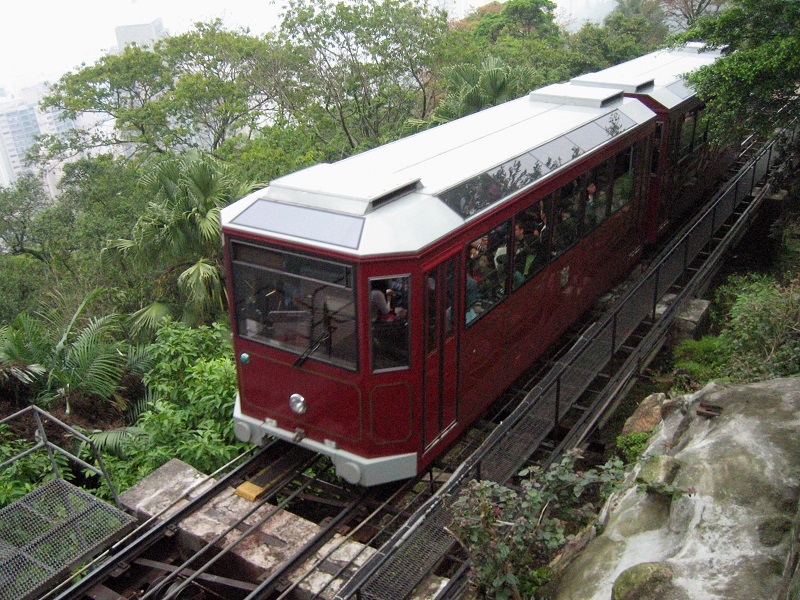
One of the few surviving witnesses to the development of the Peak, the Peak Tram was originally built in 1888 to accommodate wealthy Europeans in reaching to their summer retreats. It was one of the first funiculars in Asia and now serves one of Hong Kong’s major tourist attractions.
7. Ocean Park
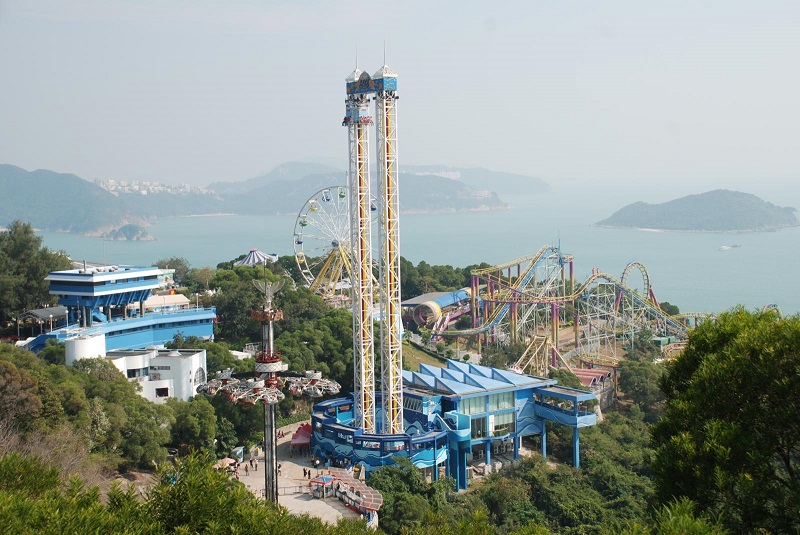
Situated on the south side of Hong Kong Island, Ocean Park is one of the most popular theme parks in the world. Though it’s home to many rides, shows and marine life exhibits, the park is committed to its conservation mission. A small percentage of proceeds from ticket sales go to the Ocean Park Conservation Foundation, but needless to say, it’s still not very popular with animal rights groups.
8. Tai O Stilt Homes
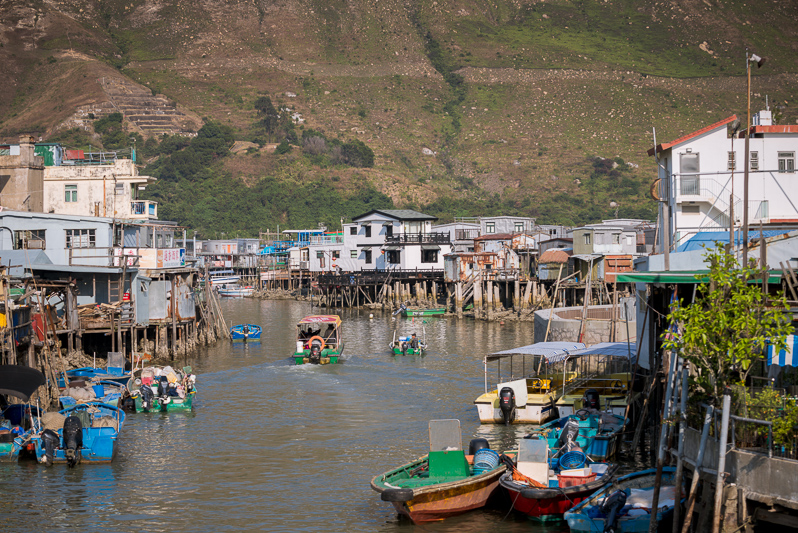
Tai O Village on the western side of Lantau Island is a small fishing community with a history of salt and shrimp paste production. It is also one of the few remaining places in Hong Kong where stilt homes can be found. The stilt homes method was established more than a hundred years ago when the Tanka people moved from living on boats to living on land. Early stilt homes were nothing but boat planted on wooden wooden poles.
9. Tsim Sha Tsui Clock Tower & the Former Kowloon-Canton Railway Terminus
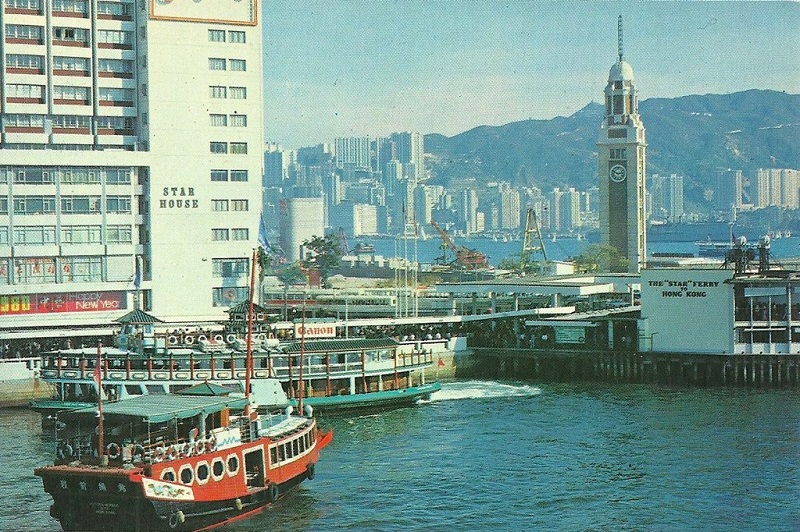
At the turn of 20th century, the British introduced a plan to turn Hong Kong into a gateway to Southern China by building a railway that would connect the city with Guangzhou. The railway complex was knocked down in 1978 and the 44-meter Clock Tower, now a historical landmark, is all that remains.
10. The Five Flagpoles & the Star Ferry Pier
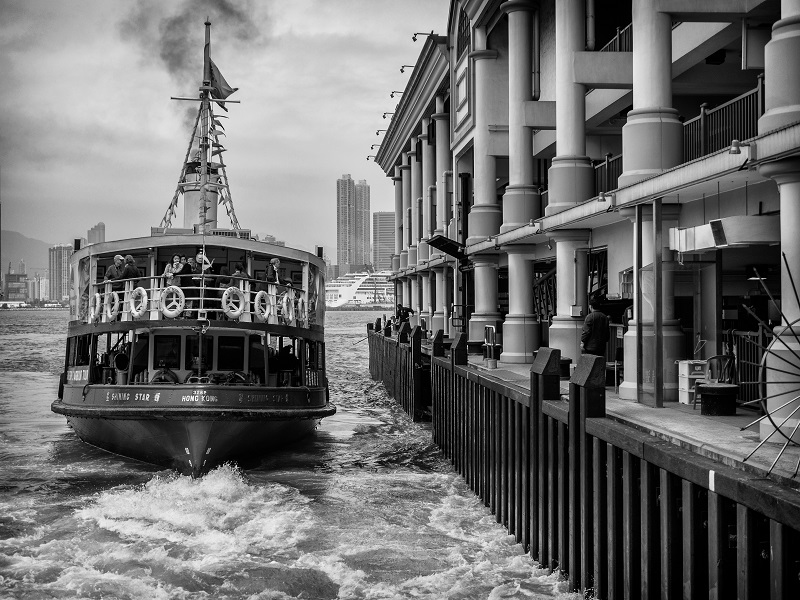
Since 1888 the Hong Kong faithful has been ferrying passengers between Kowloon and Hong Kong. Though presently there are speedier options like the MTR and passenger car tunnels, millions still come on board the Star Ferry every year. The legendary Hong Kong icon remains popular with locals and tourists. One of the best views of the ever-changing Hong Kong skyline is from the ferry.