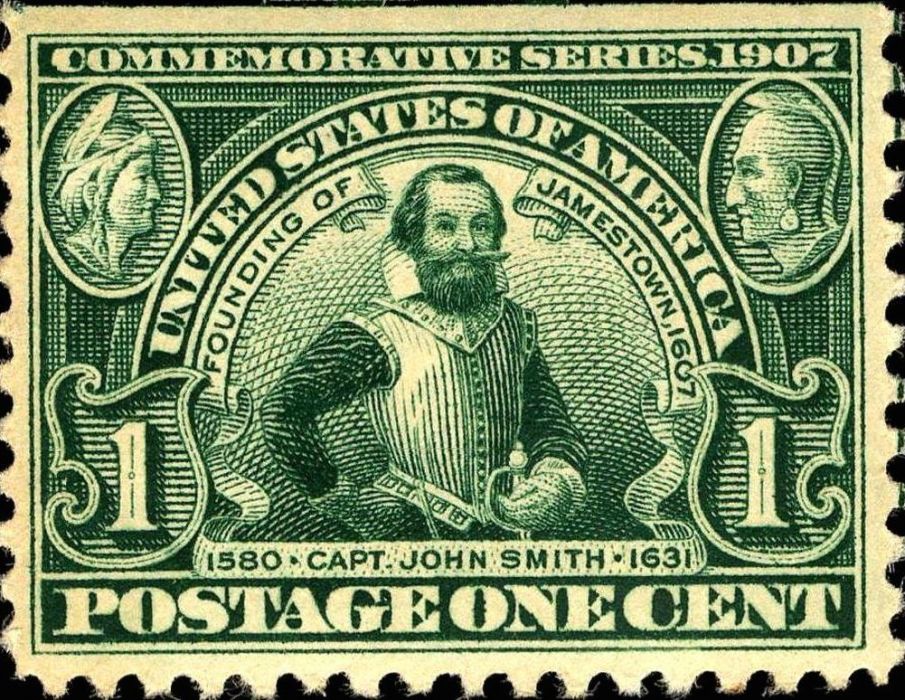

The year 1607 was the start to the defining episode in the British colonisation of North America.
A small British colony settled on Jamestown Island in current Virginia, USA, and subsequently ran into problems, including disease, inhospitable locals, and the all but constant threat of Spanish arrival.
We know how that feels!
The settlement owed much of its success to Captain John Smith, writer, mapmaker, and explorer extraordinaire, who described in great detail the geography and demography of the new colony.
Two years later, during a relief mission that almost ended tragically, Captain Smith and his crew was forced to stay in Bermuda after their ship was wrecked, which incidentally inspired Shakespeare’s The Tempest – every cloud, and all that.
Smith’s descriptions of the natural landscape of the island paradise convinced a trading company to colonise Bermuda.
And the rest, as they say, is history.
Join Professor of Anthropology and Environmental Studies at Washington College John Seidel as he charts a vivid path through the early histories of American colonies by retracing the life of Captain John Smith on his voyages north to Chesapeake Bay and south to Bermuda.
What: The Early Exploration of the American Colonies: Captain John Smith’s Expeditions to Virginia & Bermuda
When: Drinks reception 6:30pm; lecture 7:30pm, Monday, March 23
Where: Room 202, Duke of Windsor Building, 15 Hennessy Road, Hong Kong (5 minutes from Admiralty MTR or Pacific Place, next to the HK Police HQ)
Price: HKD150 for Royal Geographic Society members, HKD200 for non-members and guests.
Artwork: Robert Lennon via Flickr