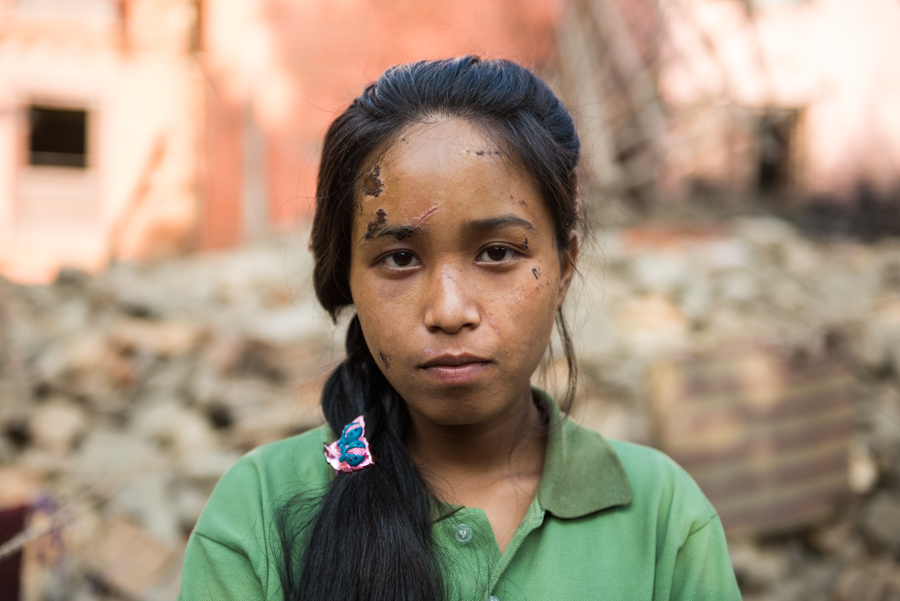

It is believed that about 40 percent of the buildings in the city of Bhaktapur – including many highly culturally significant structures – were destroyed by the 7.8-magnitude earthquake that hit Nepal on April 25. The city, located near Kathmandu, is a UNESCO World Heritage Site.
Nine days later, almost three million people remain displaced, their homes either destroyed or unsafe. Most sleep huddled under tarps, which are often shared with their extended family and surviving livestock.
In Bhaktapur, open spaces have been filled with temporary shelters. Though they face an increasingly dire situation with the monsoon season coming up and a lagging government response, the city’s displaced people manage to maintain some semblance of normality.
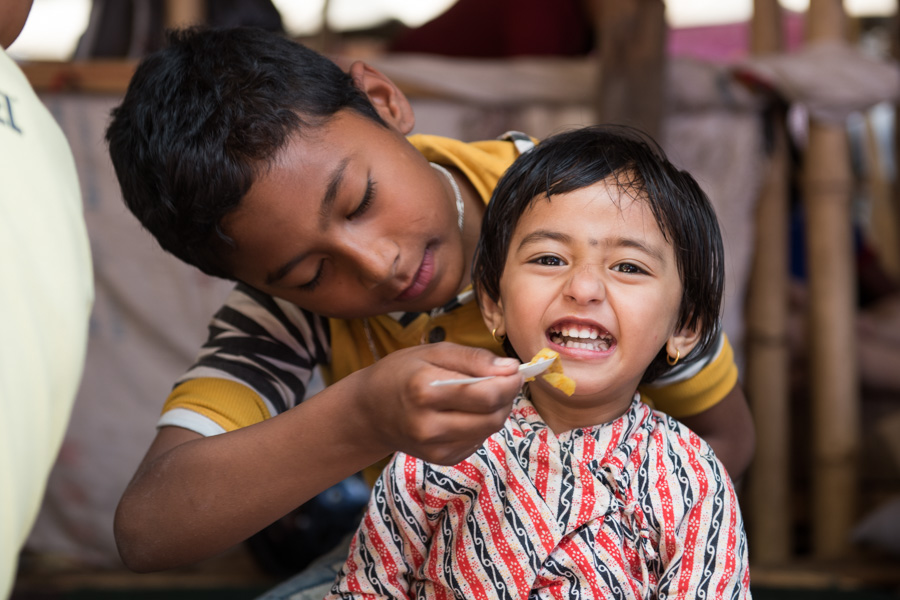
A boy feeds his sister food that was handed out by volunteers from a non-profit organisation.
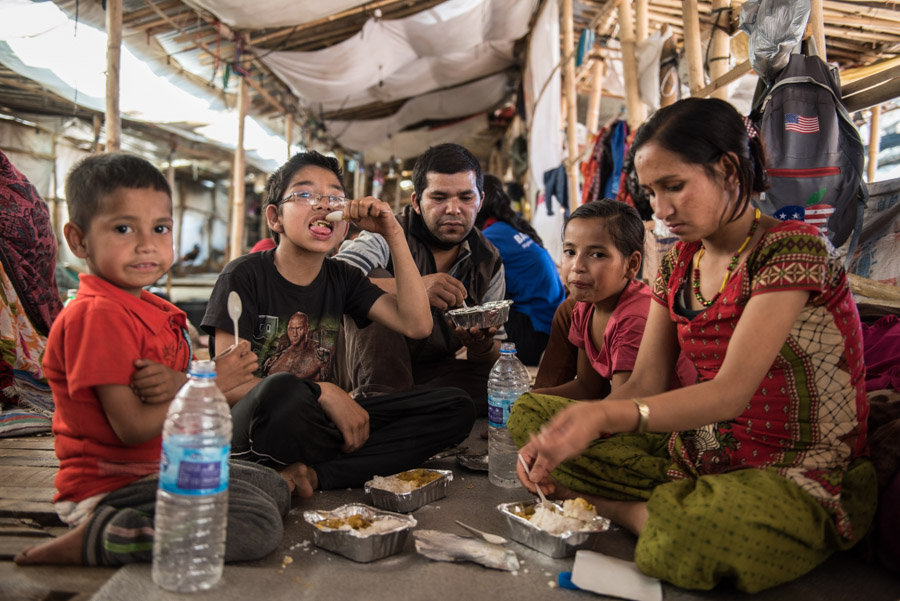
Families seeking shelter have taken over what used to be market stalls.
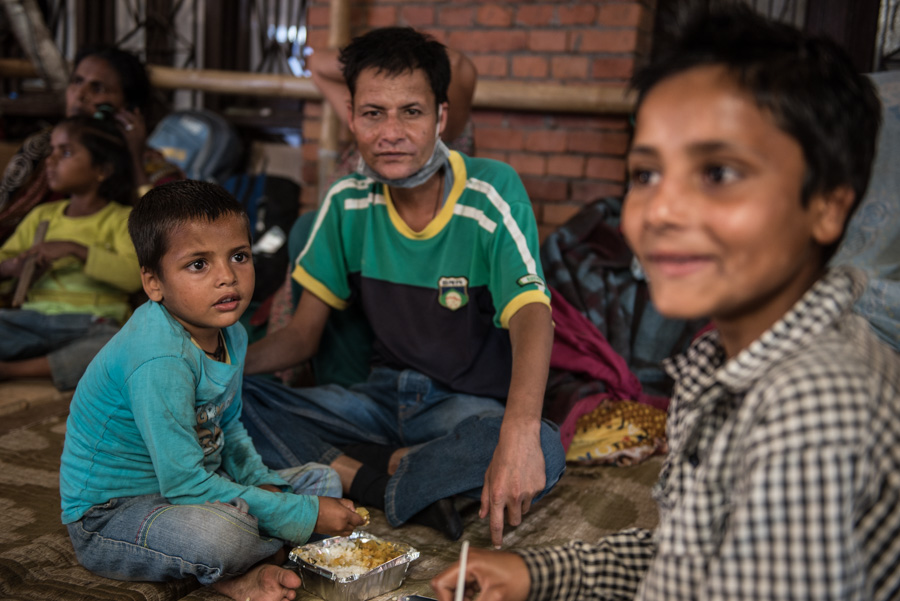
This man is an immigrant from India.
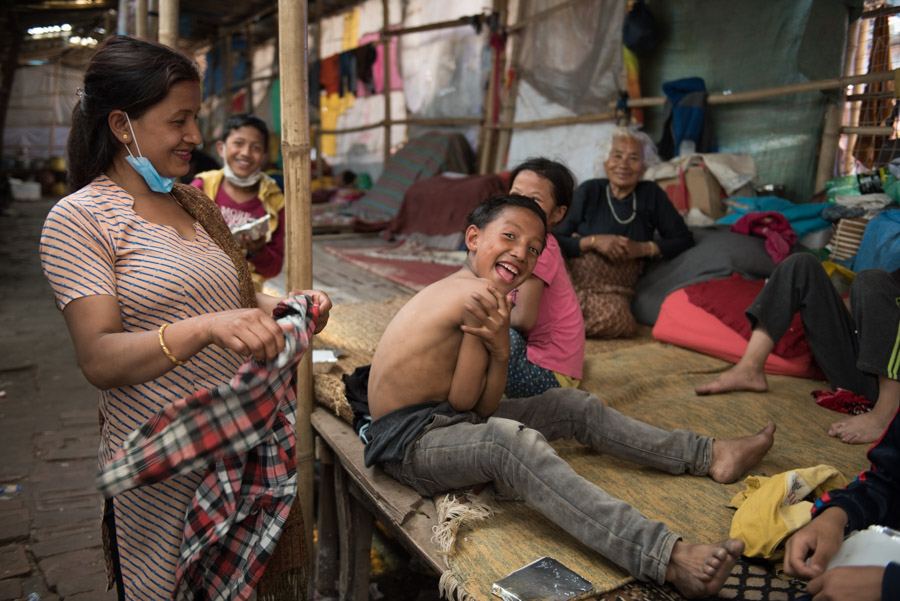
Children maintain high spirits in unfamiliar surroundings.
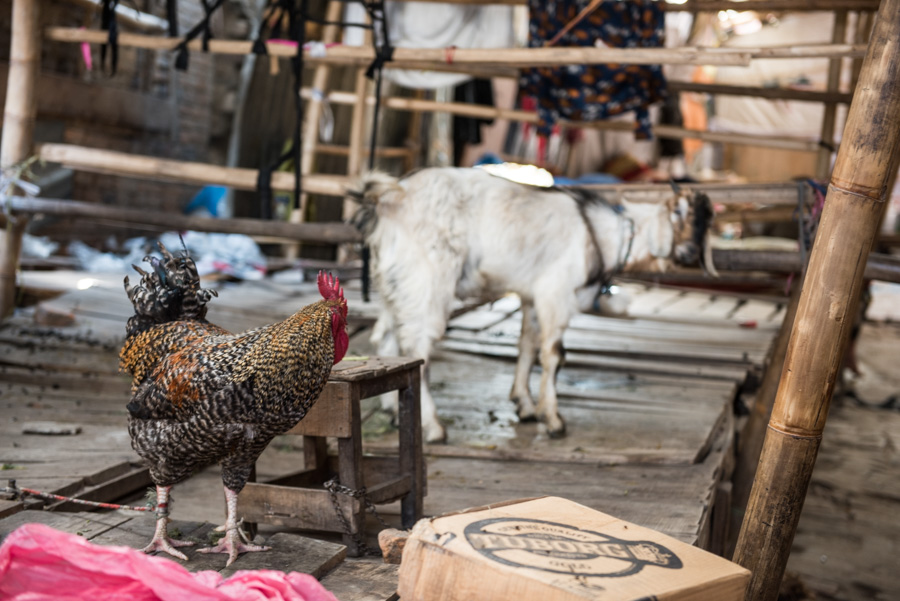
People often share their shelters with their livestock.
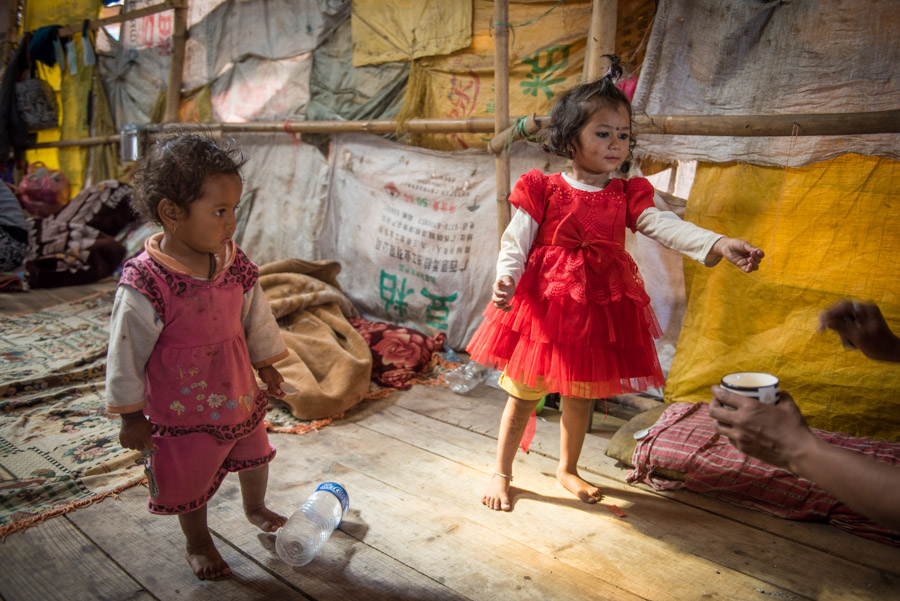
An estimated 1.7 million children were affected by the earthquake.
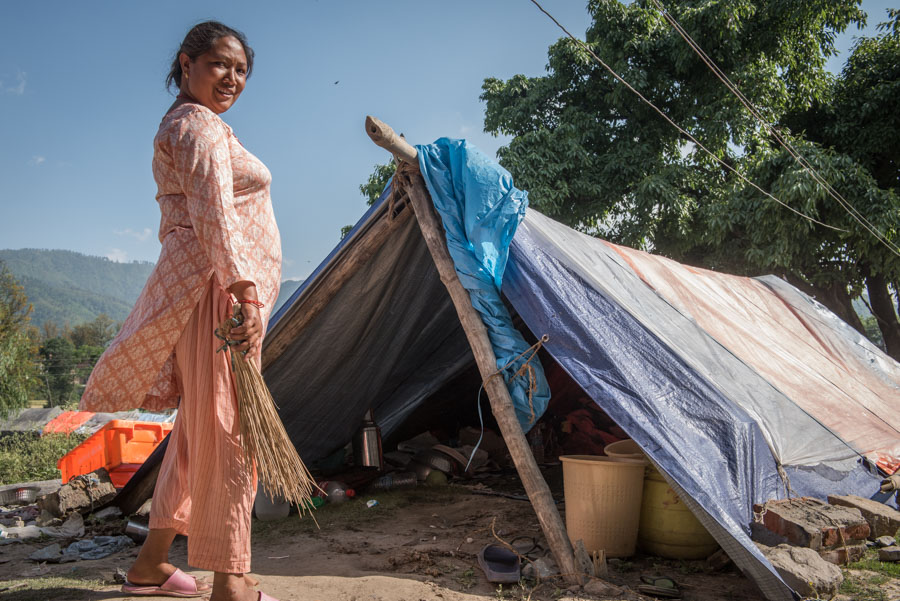
A woman sweeps the ground around her tent.
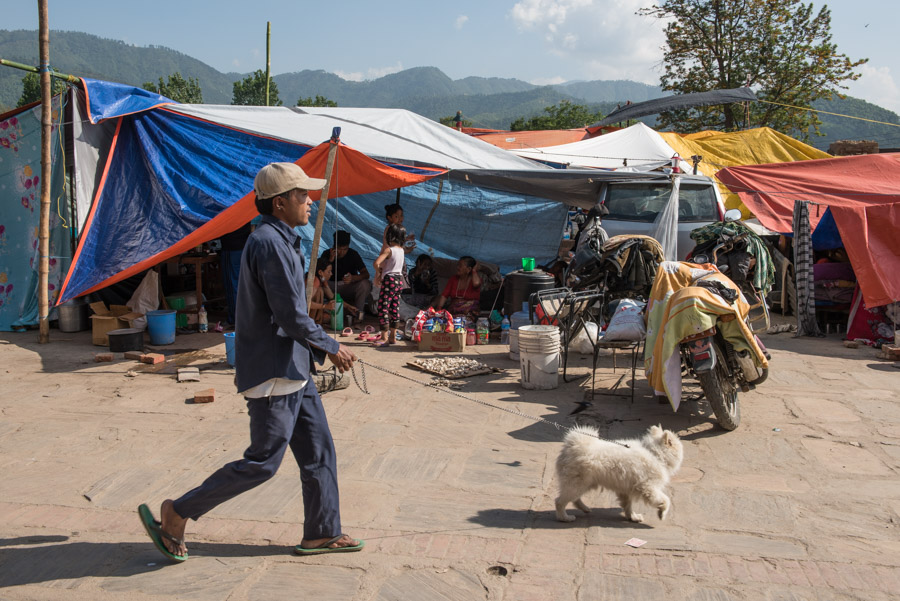
A man walks his dog past a camp of displaced people.
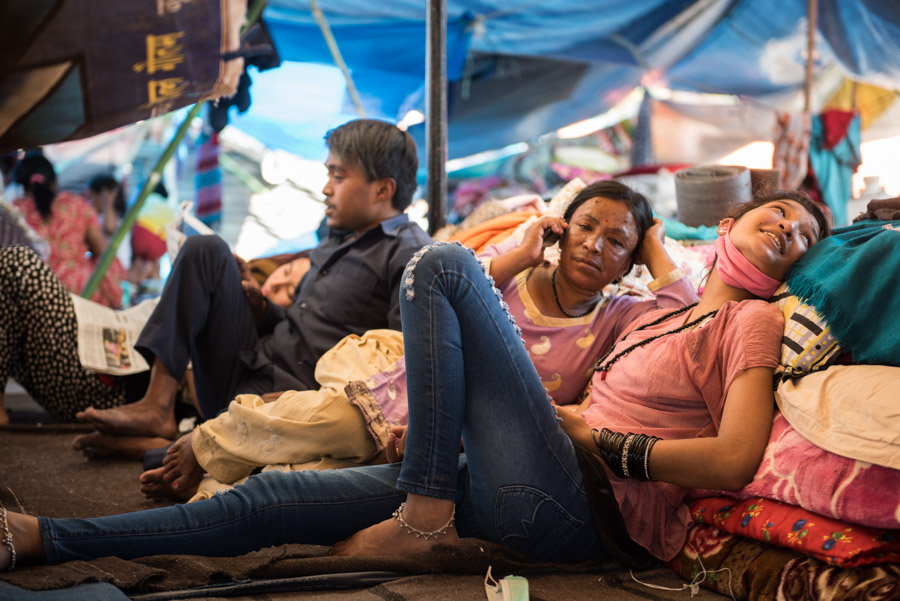
With schools closed and hardly anyone returning to work, people simply keep each other company.
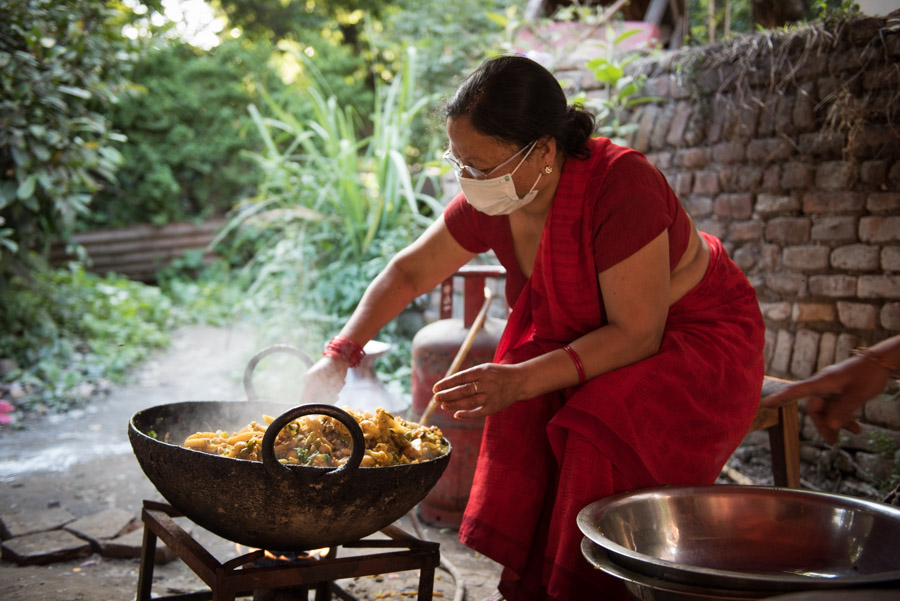
A woman cooks for several families seeking shelter in a courtyard.
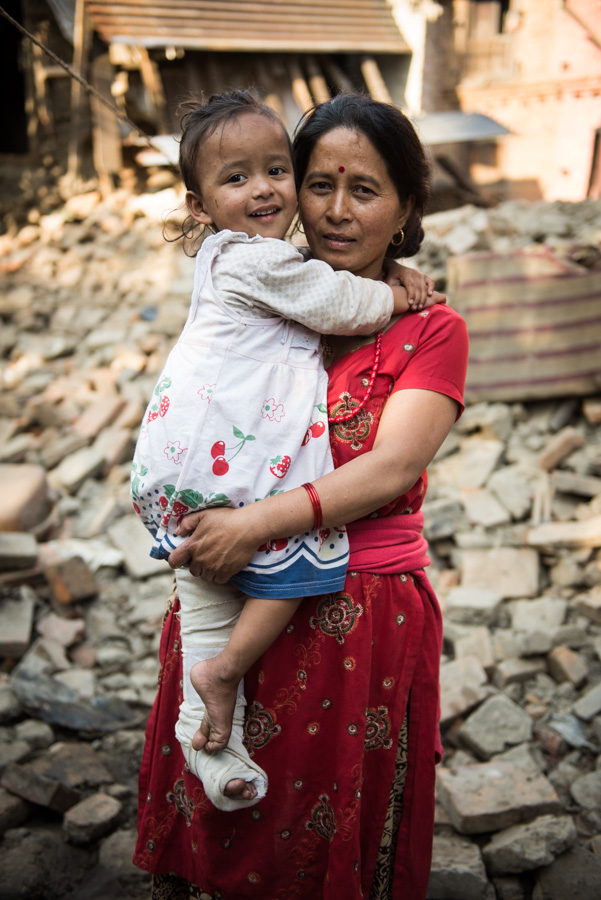
A mother and her young daughter, who fractured her leg in the earthquake, stand in front of the remnants of their house.
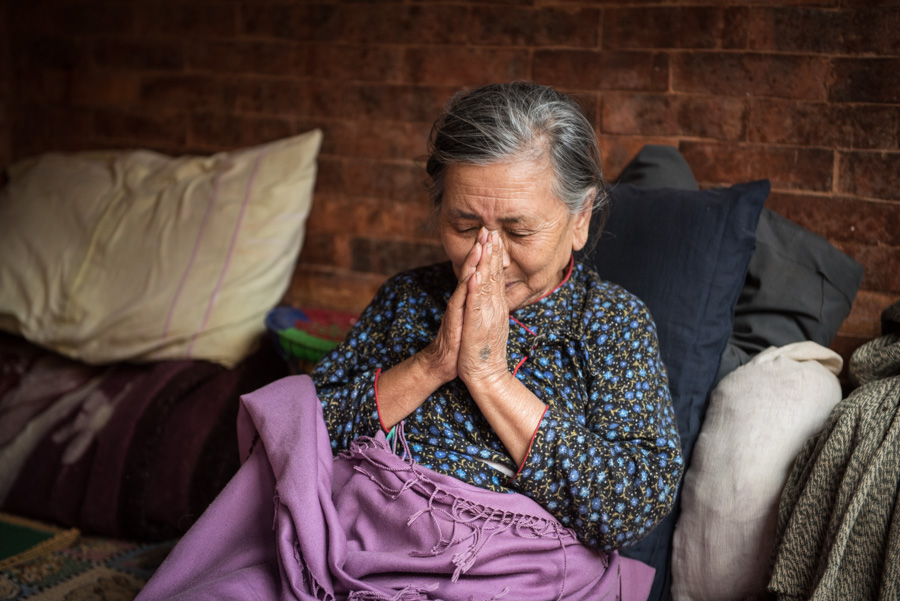
An elderly woman holds her hands in prayer inside the courtyard where she has found shelter.
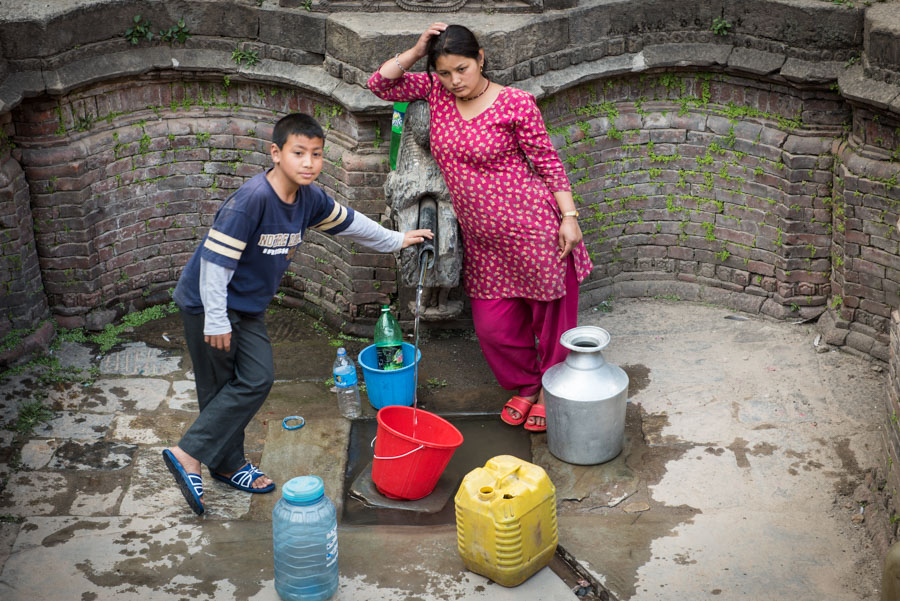
Many rely on the public springs around the city.
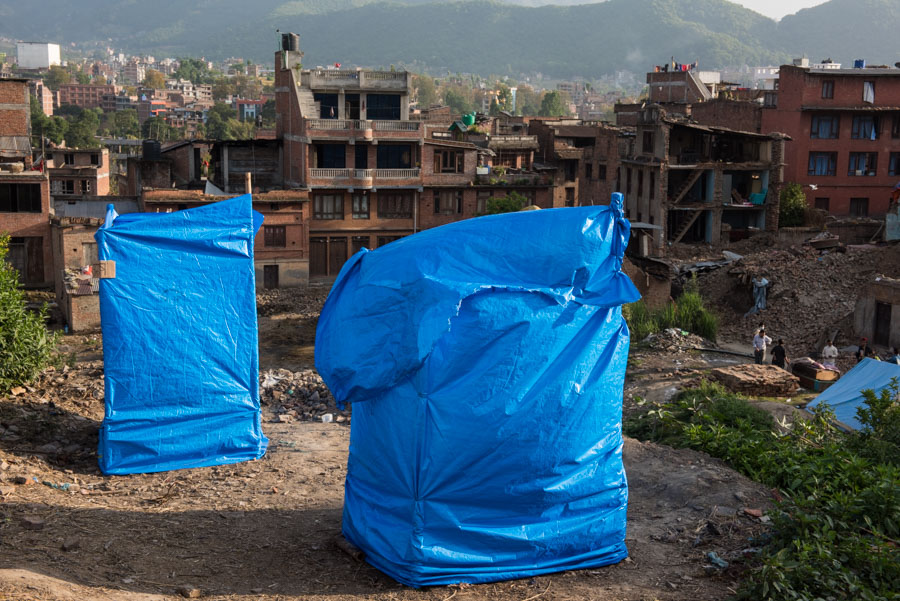
Temporary latrines have been set up on the edges of some camps
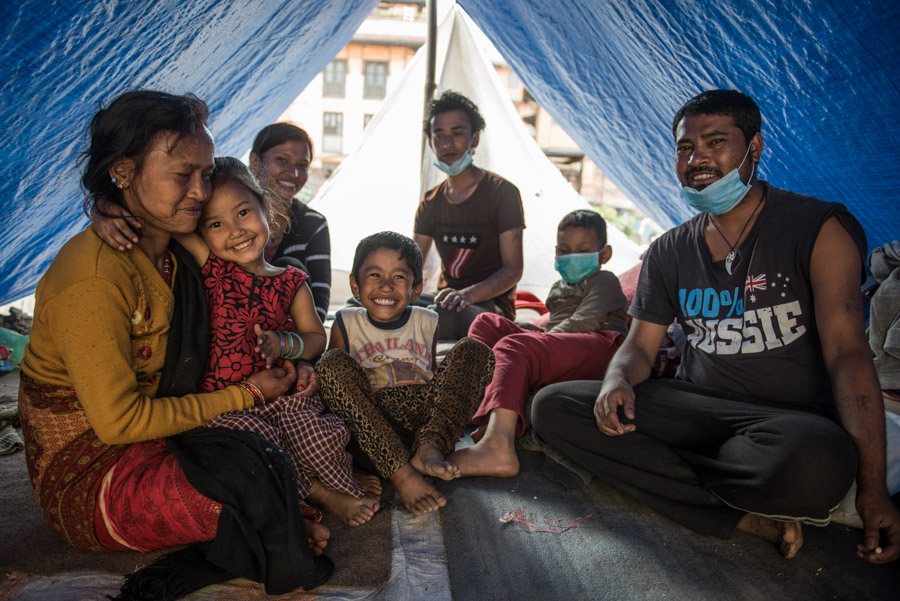
Some wore mask to protect themselves from disease and air made dusty by piles of rubble.
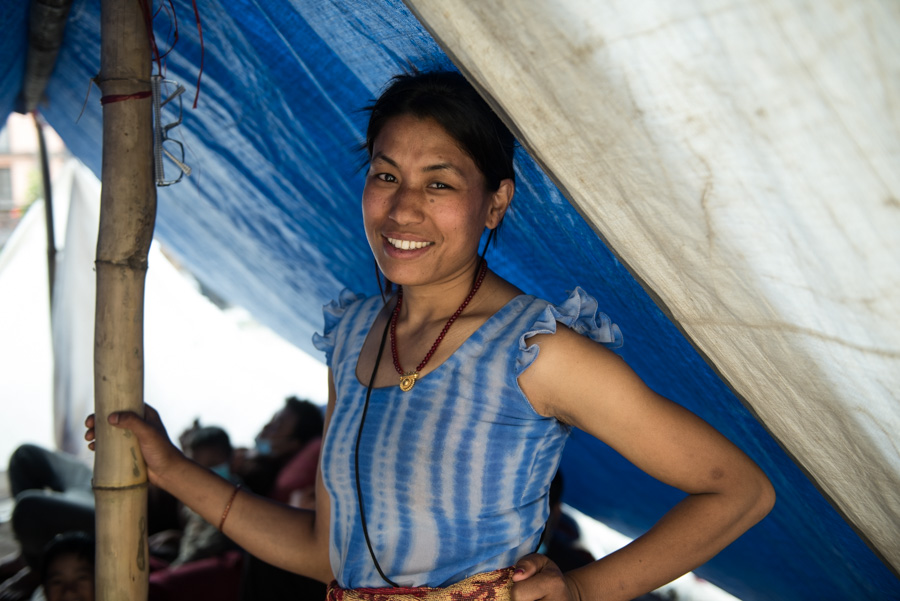
Families were happy to welcome strangers into their new homes.
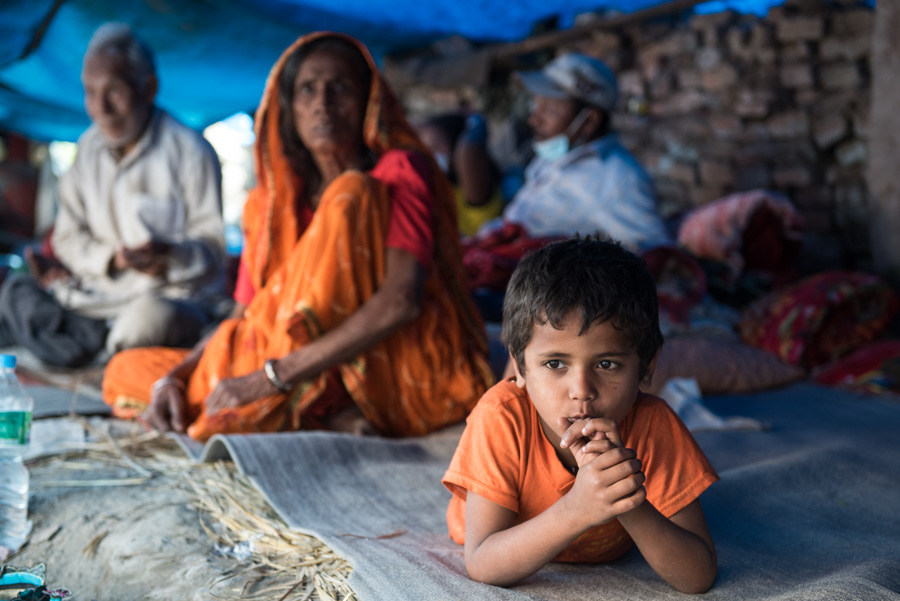
Strong ties mean that some communities are able to bounce back faster than others.
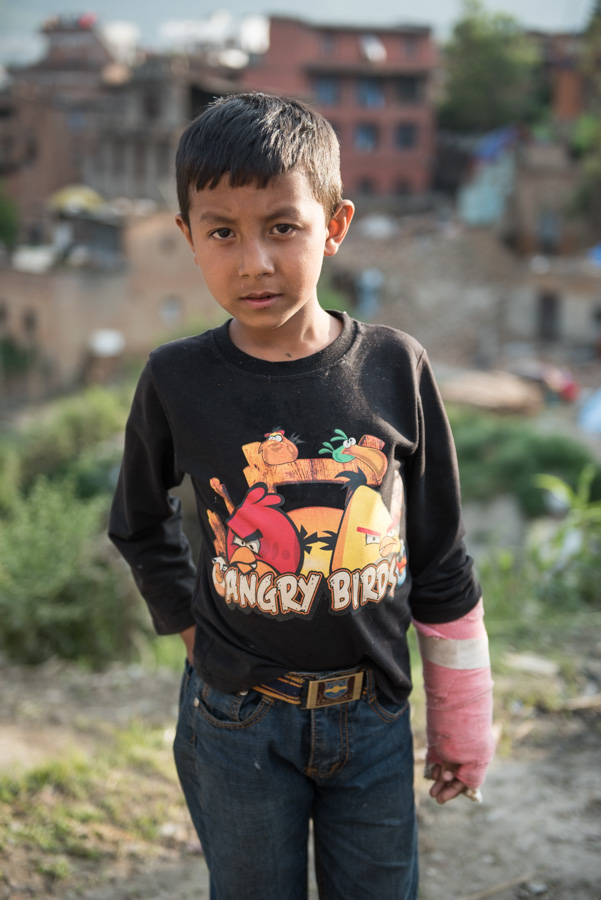
This young boy broke his arm during the earthquake.
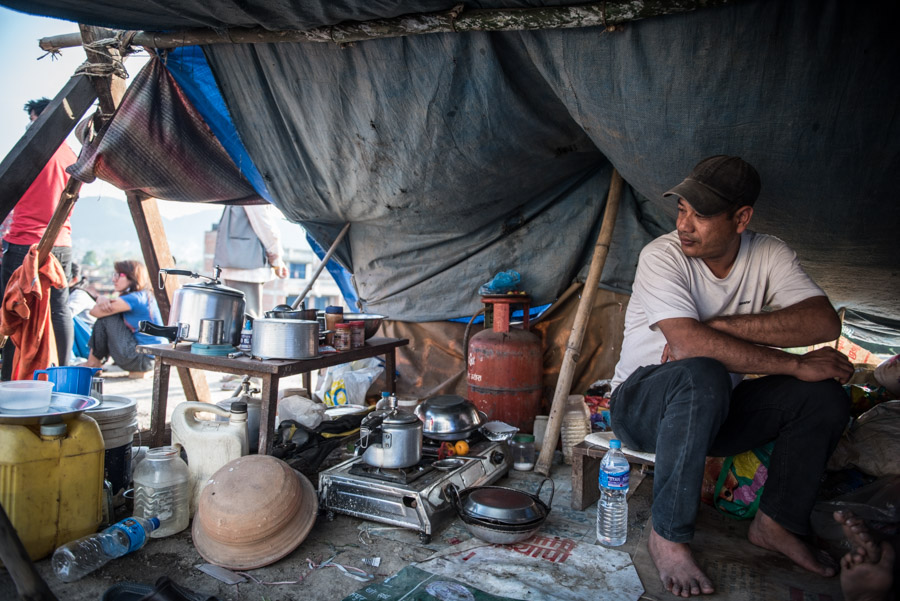
Most people cook in their tents using open fires or gas stoves.
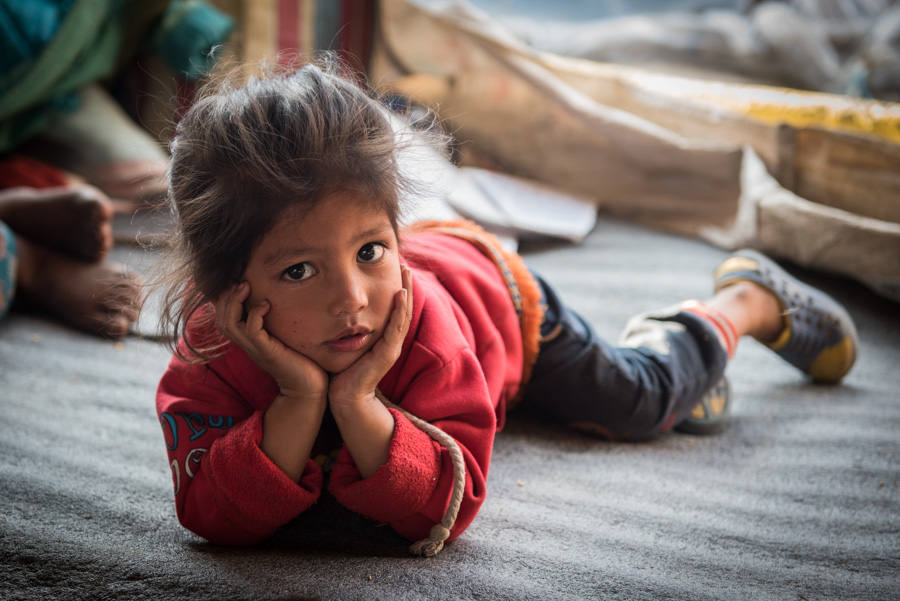
Schools have been closed since the earthquake on April 25.
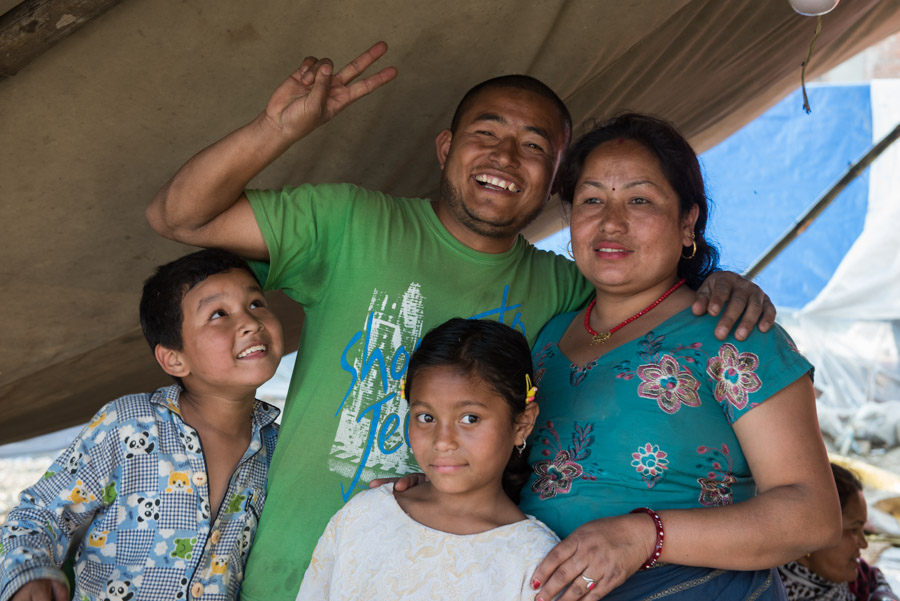
Though their immediate needs are taken care of, many families ask: “What now?”
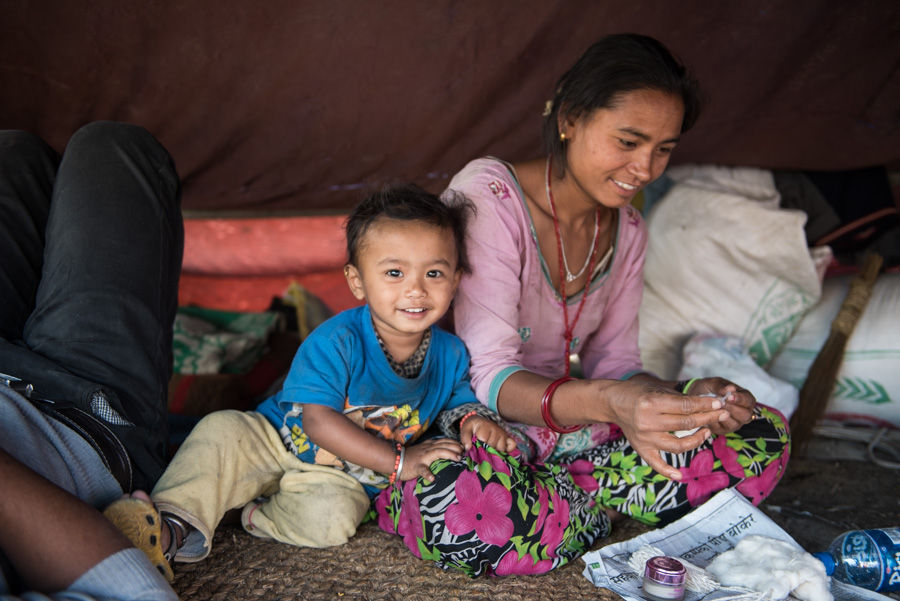
Many communities remain almost completely unreached by government relief efforts, with local and international NGOs filling the gaps.
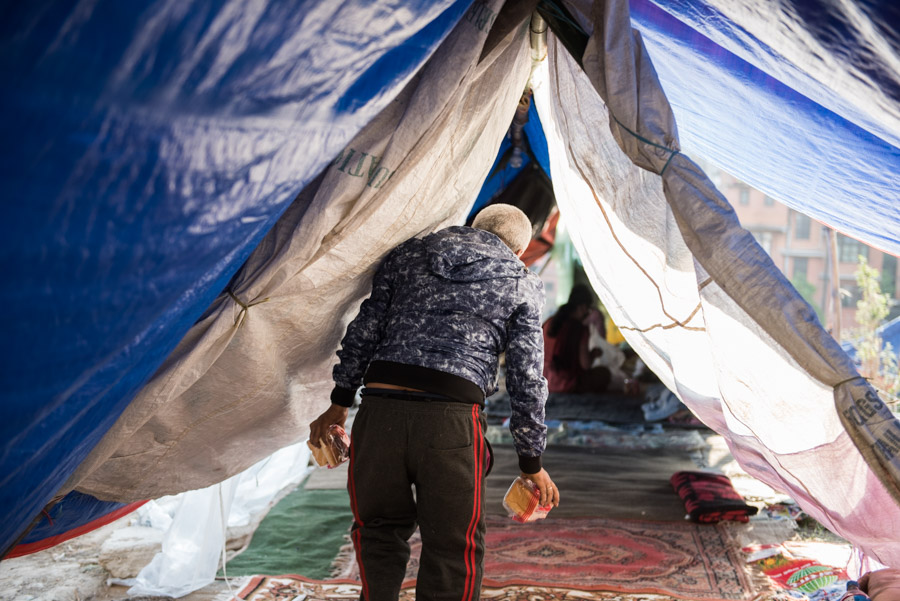
With many stores still open, people are still able to buy food. But it is unclear when they will be able to go back to work.
Photos/Words: Laurel Chor/Coconuts Media
COCONUTS TV: Girl, 13, describes the moment 7.8-magnitude earthquake hit