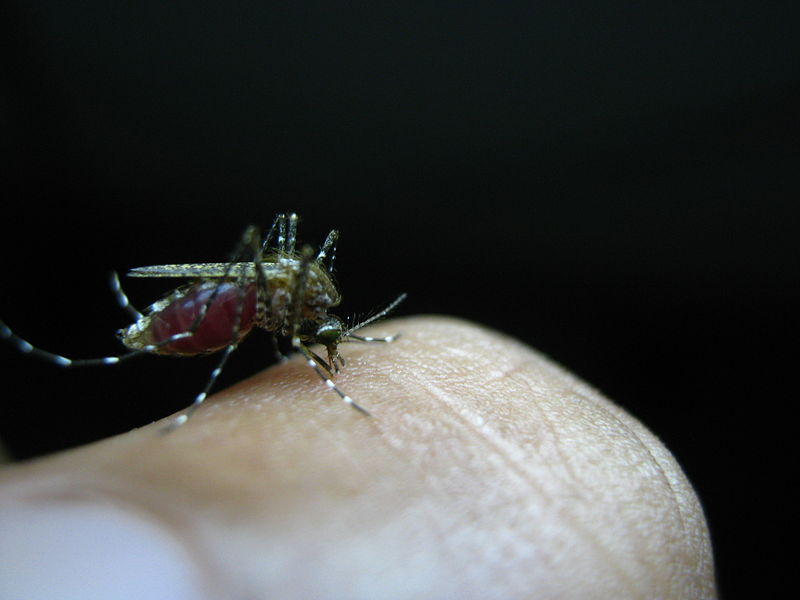

Yikes, dengue is set to reach a fever pitch this season. Prepare yourself.
The Public Health Ministry anticipates a dengue fever epidemic to strike over 120,000 by year-end. As we enter into rainy season infection rates are set to rise as conditions become ideal for mosquitoes to breed rapidly.
According to health officials, last winter’s warm temperatures and inconsistent rainfall were both signs that an eminent outbreak would occur this year. Around 28,000 cases of dengue were reported last year from October to December. October-December is not considered peak season for the disease.
As of Friday there have been 82,000 reported infections and 78 fatalities this year. Most fatalities occur in patients 15-24 years-old. According to Dr. Narong, who is the head of the ministry’s anti-dengue efforts, the rate of infection this year is 3 times higher than for the same period last year.
There have been 2 major recorded dengue outbreaks in the history of Thailand with 170,000 cases in 1986 and 118,700 people infected in 2010.
Dr. Pasakorn Akarasewi of the Bureau of Epidemiology said that the level of disease control varies by community. Most outbreaks are in remote areas inhabited by minorities and low-income communities such as border provinces of the North, such as Chiang Mai, Chiang Rai and Mae Hong Son.
At the start of this year disease prevention was put in place using vector control to terminate Aedes mosquito breeding grounds. Normally, mosquitoes feed in the day but Thailand’s climate allows them to feed at night too. The changing climate has played a part in the longer life cycle. It has been found that the Aedes mosquitoes’ life span has increased from 1 to 2 months.
Urbanization and poor waste management in cities are also to be blamed.
Hospitals nationwide are on high alert with centers designated for screening patients with dengue symptoms, reports the Bangkok Post.