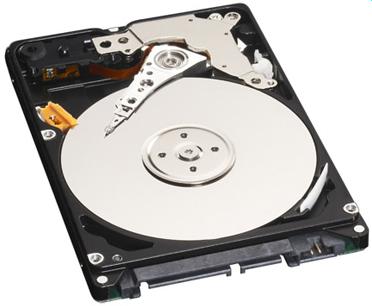

In the market for a new hard drive? Better buy it sooner rather than later, as a global shortage will probably jack up prices on the devices soon.
That’s because the once-in-a-lifetime floods that have inundated a third of Thailand and displaced nine million people are also causing major disruptions in the hard disk drive (HDD) industry supply chain.
Most notable is the massive hit that the world’s top HDD producer Western Digital (NYSE:WDC) took when floodwaters burst into its two Thailand factories at Navanakorn and Bang Pa-in industrial estates outside Bangkok. The company has had to indefinitely close both factories, where it produces 60 percent of all its hard drives. Western Digital CEO Timothy Leyden told reporters in a conference call this week that they estimate capacity will be affected for several quarters.
Thailand is the second-largest country for production of hard drives after China, according to market research firm UHSiSuppli. Toshiba (TYO:6502), the world’s fourth largest hard drive producer with a 10 percent market share, has halted all of its production in Thailand due to flooding. Number two hard drive producer Seagate (NASDAQ:STX) has extensive operations in Thailand, but has not had to stop production because its factories are in the northeast where flooding has been less severe.
One key component in the supply chain of hard drives has also been majorly affected: the motor. Japanese company Nidec (TYO:6594), which produces a whopping 70 percent of hard drive motors in the world, has had to close all of its factories in Ayutthaya, the ancient former capital which got inundated earliest in this ongoing disaster.
These combined kinks are having an effect on the worldwide supply chain that’s making even Apple (NASDAQ:AAPL) CEO Tim Cook nervous. Cook warned this week that he’s “virtually certain there will be an overall industry shortage of disk drives,” according to the AP. The shortage of HD components would only affect some Mac computers, but not Apple’s ultra-lucrative iPhones and iPads, which use more modern solid state drives (SSDs) – aka: flash memory – which don’t need motors.
In fact, the Thai floods could have an even worse impact on the PC industry than the Japanese tsunami, according to tech analyst Jason Nyoland, as quoted in the Financial Times.
It’s unclear at this time how much the price of the stoppages will be passed on to consumers. But if you need more space or an external HDD for back-ups, it’d be prudent to buy that new hard drive now.
This article originally appeared on Asia tech blog Penn Olson.