
After some “very good conversations” with automakers in the European Union, Japan and elsewhere, the United States may not need to impose new tariffs on imported automobiles, Commerce Secretary Wilbur Ross said Sunday.
“Our hope is that the negotiations we’ve been having with individual companies about their capital investment plans will bear enough fruit that it may not be necessary” to launch a so-called Section 232 investigation, Ross told Bloomberg Television.
That section of the 1962 Trade Expansion Act allows tariffs to be imposed when national security is found to be at risk.
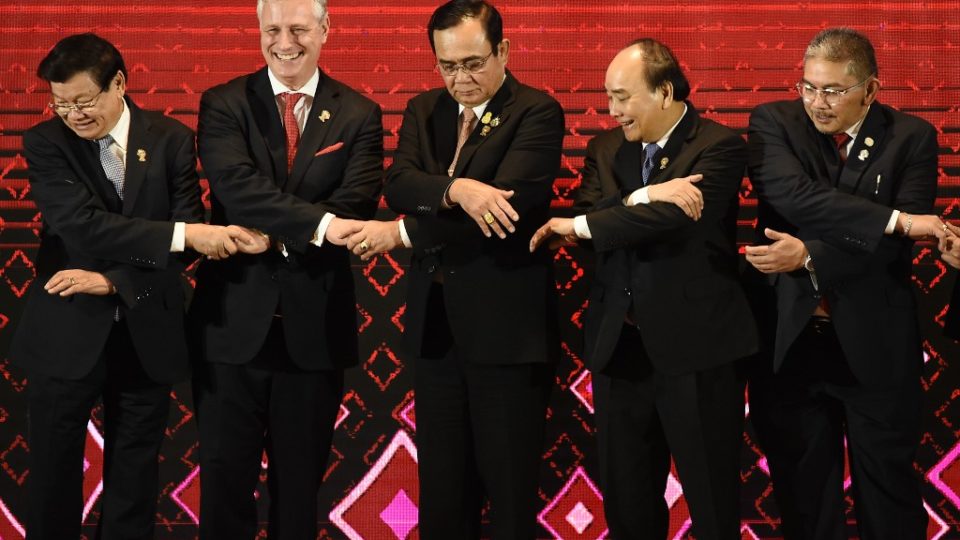
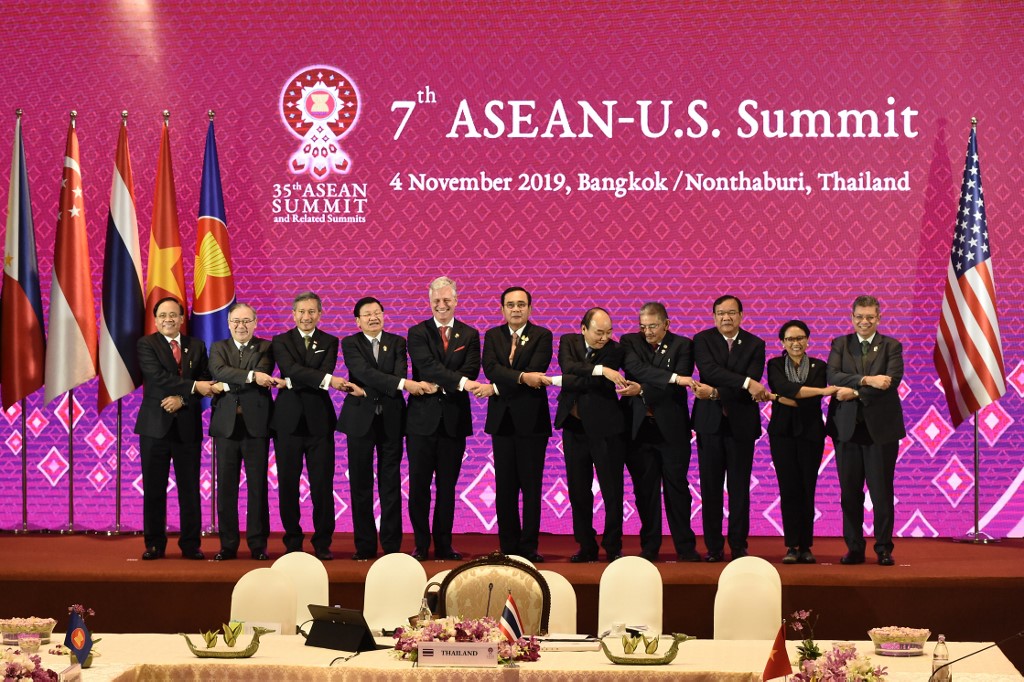
“We’ve had very good conversations with our European friends, with our Japanese friends, with our Korean friends,” Ross said in Bangkok, where he is taking part in the annual summit of the Association of Southeast Asian Nations.
The Trump administration has been threatening since last year to impose tariffs of perhaps 25 percent on auto imports to defend the US automaking sector, a symbol of American manufacturing.
After postponing such measures in May, Trump is due to decide by mid-November whether to impose the supplemental tariffs on cars built in EU countries — a step particularly feared by the big German automakers.
Were he to do so, it would mark the latest escalation of the trade conflict between Brussels and Washington, coming only weeks after the US imposed new punitive taxes on European products worth $7.5 billion.
That increase came in mid-October, four days after the World Trade Organization (WTO) gave Washington a green light to take retaliatory trade measures against the EU over its subsidies to European aerospace giant Airbus.
The United States also imposed heightened tariffs last year on EU-made steel and aluminum products.
In September, the Trump administration reached an agreement with Japan to continue suspending auto tariffs while talks continued.
And last year, US trade negotiators reached a deal with South Korea under which Seoul promised to open its auto market further to US carmakers.
Related:
ASEAN leaders hanker for trade deal as economy sags on US-China spat
Here are the Bangkok roads to avoid when ASEAN Summit opens Thursday (Map)