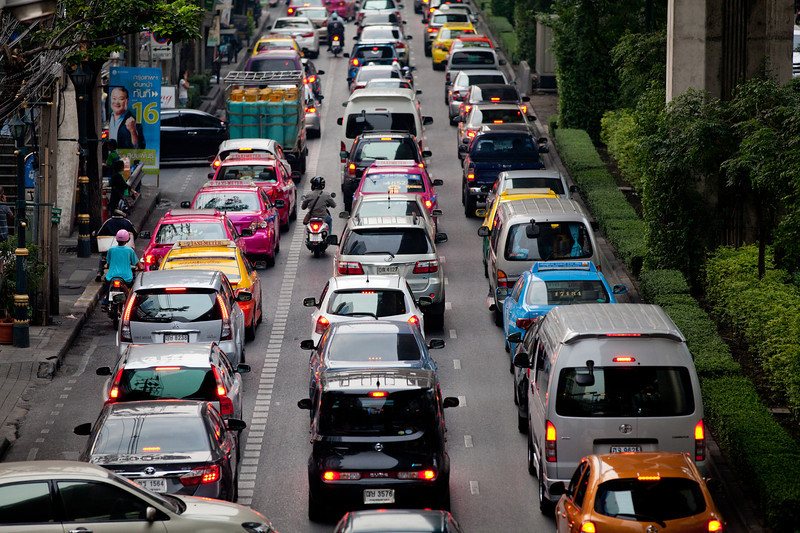

The car-buying incentive program, launched by Prime Minister Yingluck Shinawatra after massive floods in 2011 hit the country’s auto industry, has hit a major pothole.
Thailand is a regional hub for many car companies, especially Japanese manufacturers such as Honda, Mitsubishi, and Toyota, and cars comprise 12 percent of the country’s GDP, and at first the plan seemed to work, with 2012 auto production skyrocketing 67 percent from the previous year.
But the problem with encouraging low-income buyers is they often can’t make their car payments, and more than 100,000 new buyers have defaulted on their loans, with their cars seized by finance companies. With the resulting used-car glut and the absence of the subsidies, demand for new cars has cratered, threatening the very industry that the plan was meant to help.
The car-buying incentive program and the problematic rice-pledging scheme played a part in helping Thailand’s debt climb to 44.3 percent of gross domestic product in June compared to 38.2 percent at the end of 2008, reported Quartz