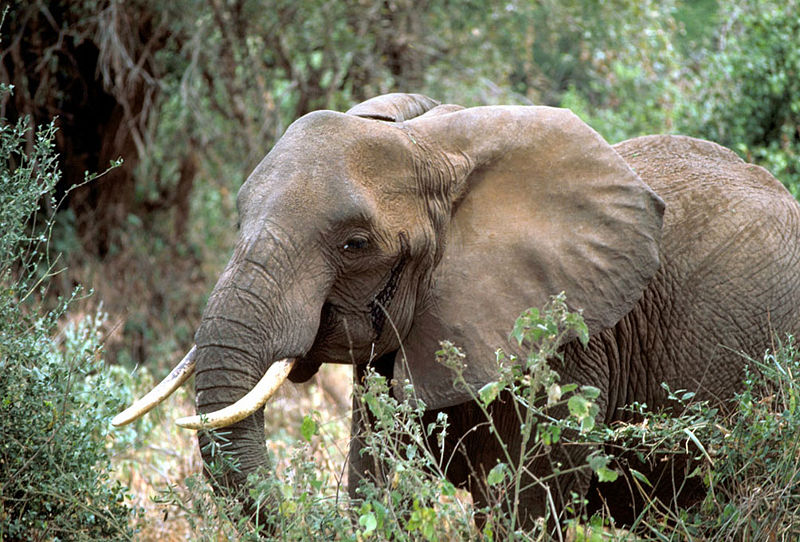

Next week, Thailand will play host to the Convention on International Trade in Endangered Species (CITES) conference for the second time in less than a decade.
As has been the case since its inception, the CITES (pronounced “sight-EEZ”) treaty remains the foremost international legal tool for stopping trade in endangered species throughout the globe. A treaty entered into by most of the world’s major economic powers, CITES helps restrict poaching by banning the sale and import of endangered species.
Thailand’s repeat hosting duties carry with them a hint of irony, seeing that a great percentage of the world’s illegally traded plants and animals pass through the Kingdom en-route to consumers both within Asia and without.
As you might expect from a treaty that counts most of the major world powers among its signatories, the political machinations driving CITES are complex. In addition to national economic interests, CITES delegations have to contend with pressures from internal trade groups and NGOs when deciding which animal trades to restrict. The World Wildlife Federation’s recent push to force the Thai government to criminalize its ivory trade is only one of the most visible of these non-governmental campaigns.
In the interest of showing just what sorts of stakes this year’s CITES conference holds, Coconuts has compiled the above list of amendments to the treaty that have the potential to directly affect Thailand.
Those interested in seeing the CITES negotiations first-hand can do so all next week at the Queen Sirikit National Convention Center.